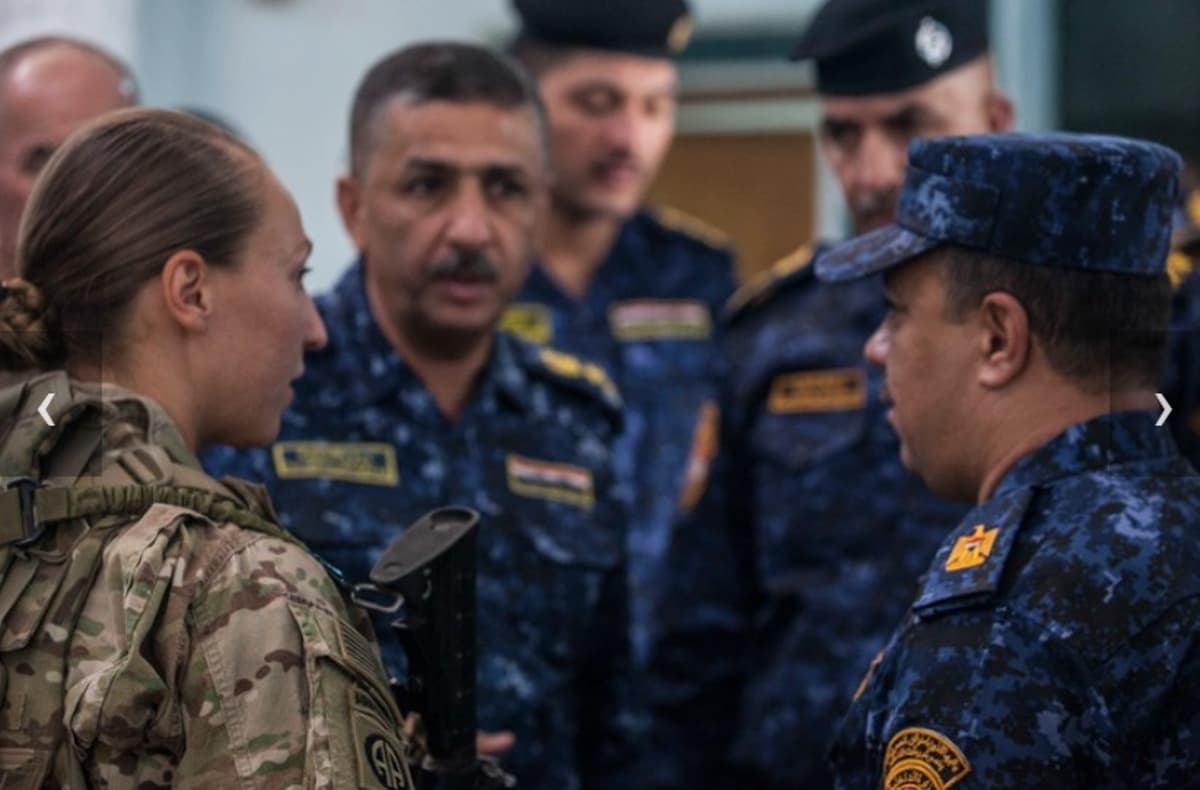
Mapping the Human Terrain: The Enduring Role of Human Intelligence in the U.S. Army
Key Takeaways
- •Army HUMINT training pipeline is being reduced
- •Scalable human sensors needed for Phase 0 operations
- •Mid‑level collectors outperform few case officers at scale
- •Technical intel cannot reveal motivations or intent
- •Investing in language‑enabled collectors boosts battlefield insight
Pulse Analysis
In today’s hyper‑connected battlespace, artificial intelligence‑generated content and rapid disinformation campaigns have transformed the cognitive domain. While satellites, signals, and open‑source tools deliver massive data volumes, they fall short of explaining why local actors choose one side over another. Human intelligence collectors, trained to build rapport and elicit motivations, fill this gap by providing the qualitative context that technical sensors miss. Their ability to translate cultural nuances into actionable intelligence makes them indispensable for both counterinsurgency and conventional operations that occur amid civilian populations.
The Army’s recent pivot toward interrogation‑centric HUMINT has eroded the broader skill set required for scalable human sensing. During the Global War on Terror, the service successfully integrated collectors into maneuver units, enabling real‑time source development and early warning of emerging threats. Today, reduced training opportunities and a narrowed mission focus threaten to leave commanders without the low‑cost, near‑real‑time insights that mid‑level collectors can deliver across the competition continuum. By re‑establishing a pipeline that emphasizes language proficiency, cultural awareness, and mid‑tier tradecraft, the Army can field a distributed network of human sensors capable of operating in permissive, semi‑permissive, and contested environments.
Strategically, reinvesting in HUMINT aligns with budgetary constraints and the need for rapid, adaptable intelligence. Technical platforms require substantial acquisition and sustainment costs, yet they cannot answer questions of intent, sentiment, or motivation. Mid‑level HUMINT collectors can be trained in months, deployed widely, and integrated with existing intelligence fusion cells, creating a cost‑effective force multiplier. As great and middle powers vie for influence over populations, the Army’s ability to understand and shape the human terrain will be a decisive advantage, underscoring the enduring relevance of HUMINT in modern warfare.
Mapping the Human Terrain: The Enduring Role of Human Intelligence in the U.S. Army
Comments
Want to join the conversation?