Missile Defense, The Future of Arms Control, and the Three-Body Problem
Key Takeaways
- •New START expired, ending the last U.S.-Russia nuclear limits.
- •China nears ICBM parity, creating a three‑way nuclear rivalry.
- •Joint Data Exchange Centers could enable transparent missile‑defense limits.
- •Mutual Defense Emphasis links defensive caps to offensive reductions.
Pulse Analysis
The February 2026 expiration of the New START treaty marks a watershed moment for strategic stability. For two decades the treaty capped the number of deployed warheads and delivery vehicles between the United States and Russia, providing a predictable framework for deterrence. Its lapse coincides with China’s rapid development of intercontinental ballistic missiles that promise parity with the other two powers. This three‑way dynamic erodes the bilateral logic of Mutual Assured Destruction, forcing policymakers to consider multilateral mechanisms that can manage launch ambiguities and prevent inadvertent escalation.
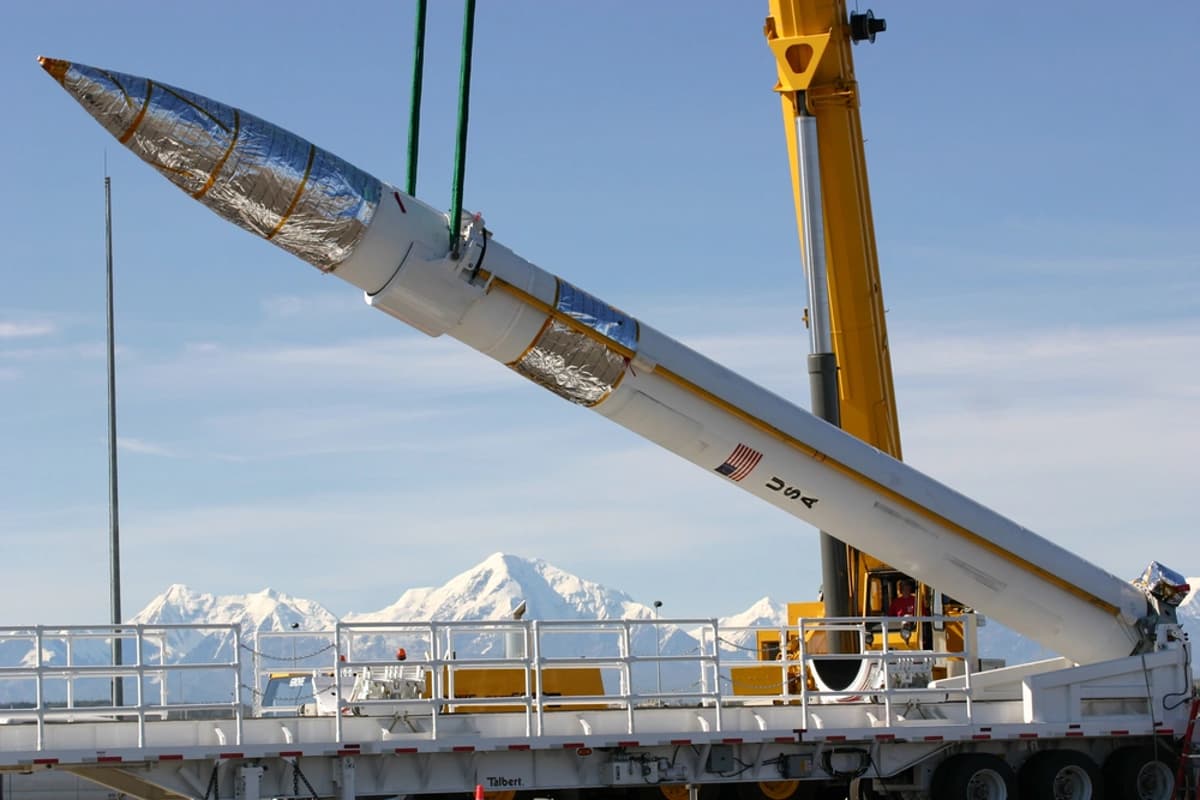
Enter the Mutual Defense Emphasis (MDE) concept, a theory that flips traditional deterrence on its head. MDE proposes that limited, verifiable ground‑based missile defenses become stabilizing only when they are explicitly linked to reductions in offensive arsenals. By capping defensive deployments and tying them to transparent cuts in warhead counts, the framework seeks to lower the overall risk of a first‑strike calculus. Central to this vision are Joint Data Exchange Centers, which would share launch telemetry, interceptor test data, and real‑time tracking information among the United States, Russia and China. Such technical cooperation could verify that defenses remain within agreed limits while preserving each side’s second‑strike capability.
If embraced, MDE and JDEC could reshape future arms‑control negotiations, offering a pragmatic bridge between the old MAD paradigm and emerging defense technologies. However, challenges remain: Russia’s historical suspicion of U.S. missile shields, China’s strategic opacity, and the technical hurdles of integrating disparate radar and sensor networks. Successful implementation would require robust verification protocols, political will to link defense caps to offensive cuts, and a willingness to move beyond bilateral treaties toward a truly trilateral security architecture. The stakes are high, but the potential to avert a costly new arms race makes the effort worth pursuing.
Missile Defense, The Future of Arms Control, and the Three-Body Problem
Comments
Want to join the conversation?