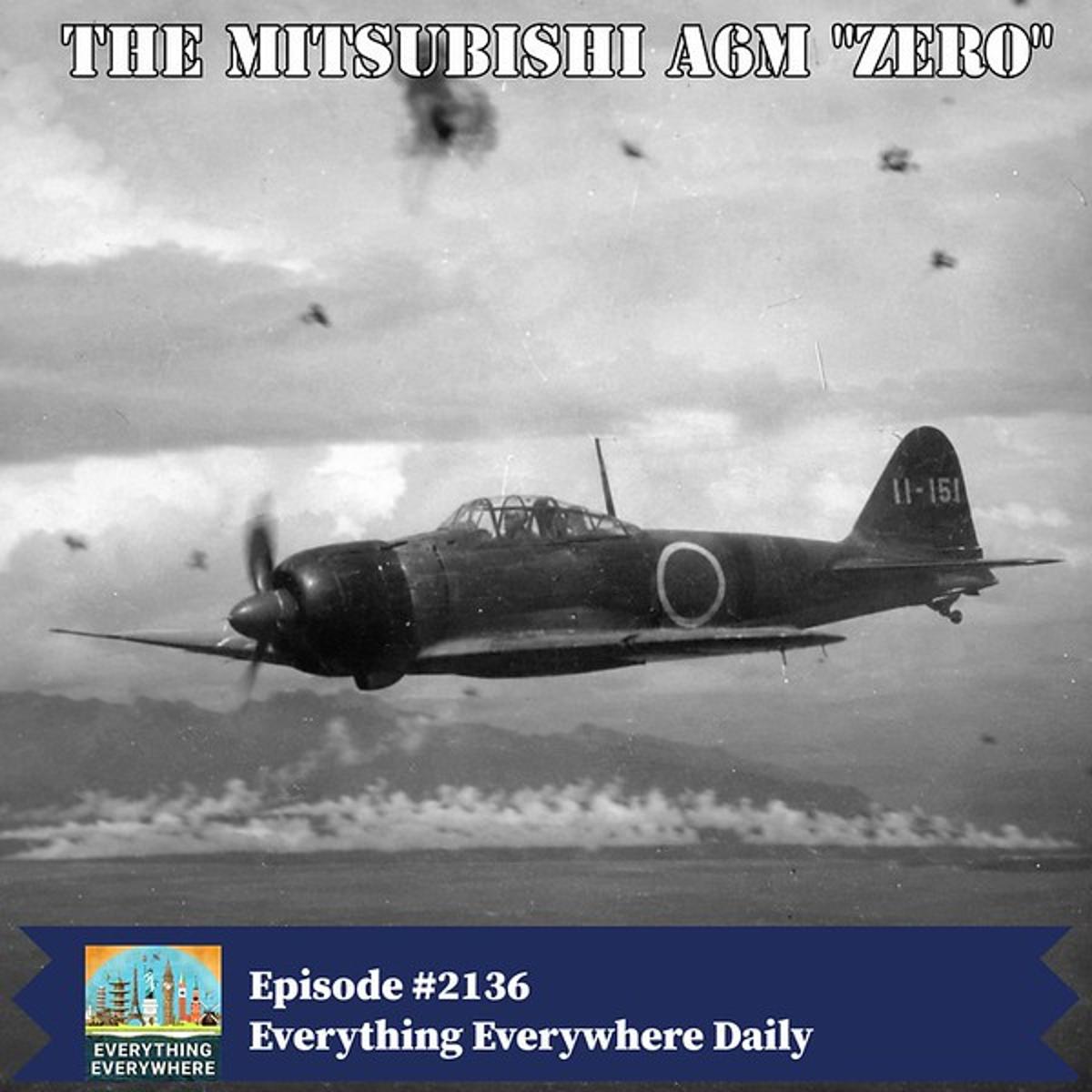
Mitsubishi Zero: The Aircraft That Changed WWII Aviation
Key Takeaways
- •Zero's lightweight design sacrificed armor, making it vulnerable to fire.
- •Long range enabled Japan to strike distant Pacific targets early in war.
- •Akutan Zero capture revealed structural fragility, prompting new US combat tactics.
- •Boom‑and‑zoom and Thach Weave neutralized Zero's maneuverability advantage.
- •Hellcat and Corsair designs incorporated lessons from Zero's strengths and weaknesses.
Pulse Analysis
When the Imperial Japanese Navy demanded a carrier‑based fighter that could outrun and out‑turn any opponent, Mitsubishi’s Jiro Horikoshi answered with ruthless weight‑saving measures. By employing Extra Super Duralumin and eliminating pilot armor and self‑sealing tanks, the A6M Zero achieved a top speed of 310 mph and a combat radius that let it project power across the Pacific. This design philosophy—prioritizing offensive performance over survivability—produced a aircraft that dominated early engagements, racking up a 59‑to‑0 kill ratio over Chinese forces and intimidating Allied pilots at Pearl Harbor, the Philippines, and Midway.
The turning point arrived with the Akutan Zero, a wreck salvaged after a failed emergency landing in Alaska. U.S. engineers dissected the airframe and confirmed that the Zero’s agility came at the cost of structural fragility and a lack of protective systems. Those findings reshaped American air combat tactics: pilots were trained to avoid turning dogfights, instead using high‑speed diving attacks—boom‑and‑zoom—and coordinated maneuvers like the Thach Weave to exploit the Zero’s weak points. Simultaneously, the data fed directly into the design of the Grumman F6F Hellcat and Vought F4U Corsair, fighters that paired greater speed and armor with firepower, ultimately achieving a 13‑to‑1 kill ratio against the Japanese aircraft.
Beyond World War II, the Zero’s legacy endures as a cautionary tale about trade‑offs in fighter design. Its early success highlighted the strategic value of range and maneuverability, while its eventual obsolescence underscored the necessity of survivability and adaptability in protracted conflicts. Post‑war aircraft—from the early jet age to modern multirole fighters—incorporated lessons on pilot protection, structural resilience, and balanced performance, ensuring that the Zero’s influence persists in today’s aerospace engineering and tactical doctrines.
Mitsubishi Zero: The Aircraft That Changed WWII Aviation
Comments
Want to join the conversation?