Neutrality as Vulnerability: Russia’s Hybrid Playbook in Moldova
Key Takeaways
- •Russia may add 10,000 troops to Transnistria, heightening threat
- •Over 330,000 followers engaged with Russian disinformation networks in Moldova
- •EU approved $65 million package for Moldovan short‑range air defenses
- •Moldova’s 2025‑2035 strategy mirrors Austria’s neutral but active security stance
- •Public support for neutrality stays at 54 %, despite rising Russian pressure
Pulse Analysis
Moldova’s constitutional neutrality, enshrined after the 1994 constitution, was intended to keep foreign troops out of its territory. The September 2024 elections, however, highlighted a paradox: a populace still favoring neutrality faces an increasingly aggressive Russian posture, from the permanent presence of Russian‑backed forces in Transnistria to overt threats of deploying an additional 10,000 soldiers. This dissonance forces Chisinau to reconcile public sentiment with the reality of a hybrid threat environment that includes cyber‑espionage, coordinated disinformation, and large‑scale vote‑buying schemes funneling more than $15 million into Moldovan accounts.
Russian hybrid tactics have evolved into a multi‑layered campaign that blends military intimidation with information warfare. Social‑media farms masquerading as local news outlets amassed over 330,000 followers before platforms like Meta intervened, while illicit financial networks fund pro‑Kremlin parties and candidates, exemplified by the Victory Bloc backed by exiled oligarch Ilan Shor. Simultaneously, the proximity of the Ukrainian front has turned Moldova into an inadvertent battleground, with Russian drones and missiles crossing its airspace and collateral strikes threatening critical infrastructure such as power grids and water supplies. These pressures underscore the inadequacy of a purely neutral stance in deterring gray‑zone aggression.
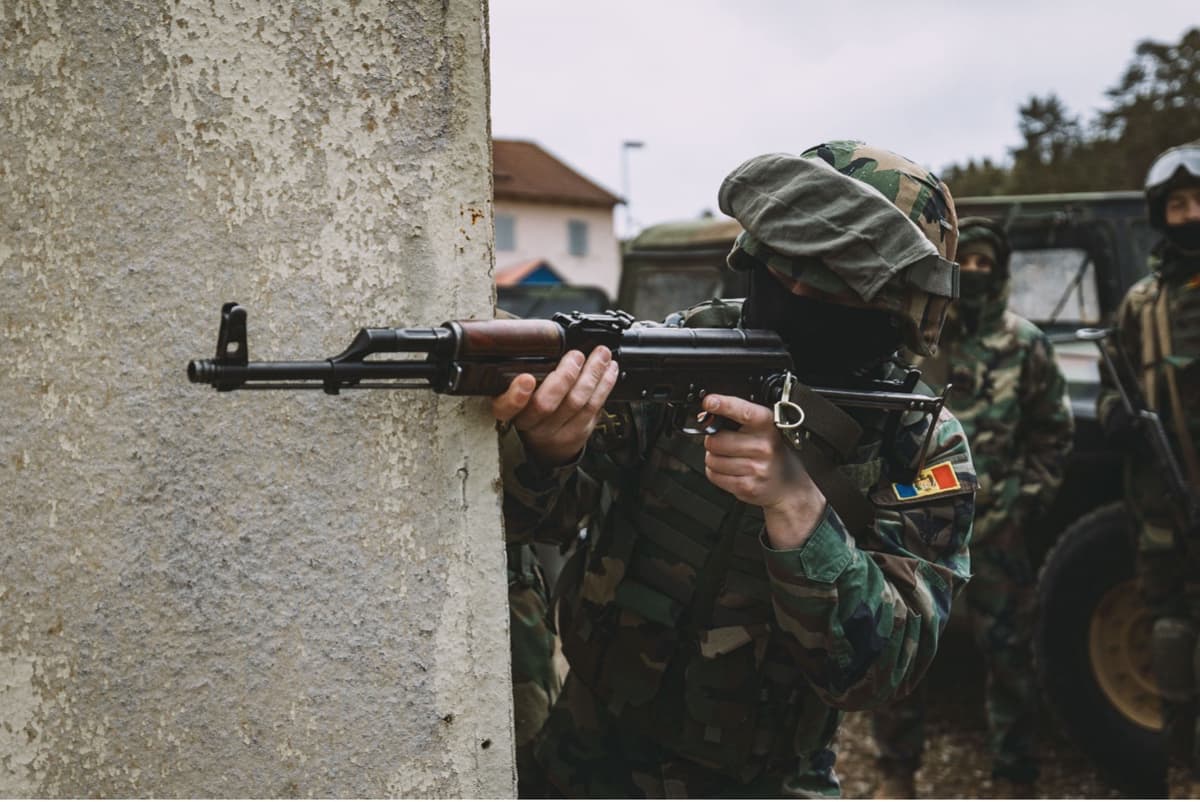
In response, Moldova’s 2025‑2035 military strategy adopts an "active neutrality" model, allowing participation in regional security mechanisms and joint exercises with the United States and Romania without breaching its constitutional clause. The recent EU assistance package—approximately $65 million for short‑range air‑defense, command‑and‑control, and mobility assets—bolsters Moldova’s ability to counter airspace violations. Moreover, plans to institutionalize hybrid‑threat wargames with the European Centre of Excellence for Countering Hybrid Threats aim to close capability gaps across intelligence, cyber, and electoral resilience. By deepening interoperability with NATO‑aligned forces while preserving its neutral label, Moldova seeks to transform a strategic vulnerability into a credible deterrent, reshaping the security calculus for the entire Eastern European neighborhood.
Neutrality as Vulnerability: Russia’s Hybrid Playbook in Moldova
Comments
Want to join the conversation?