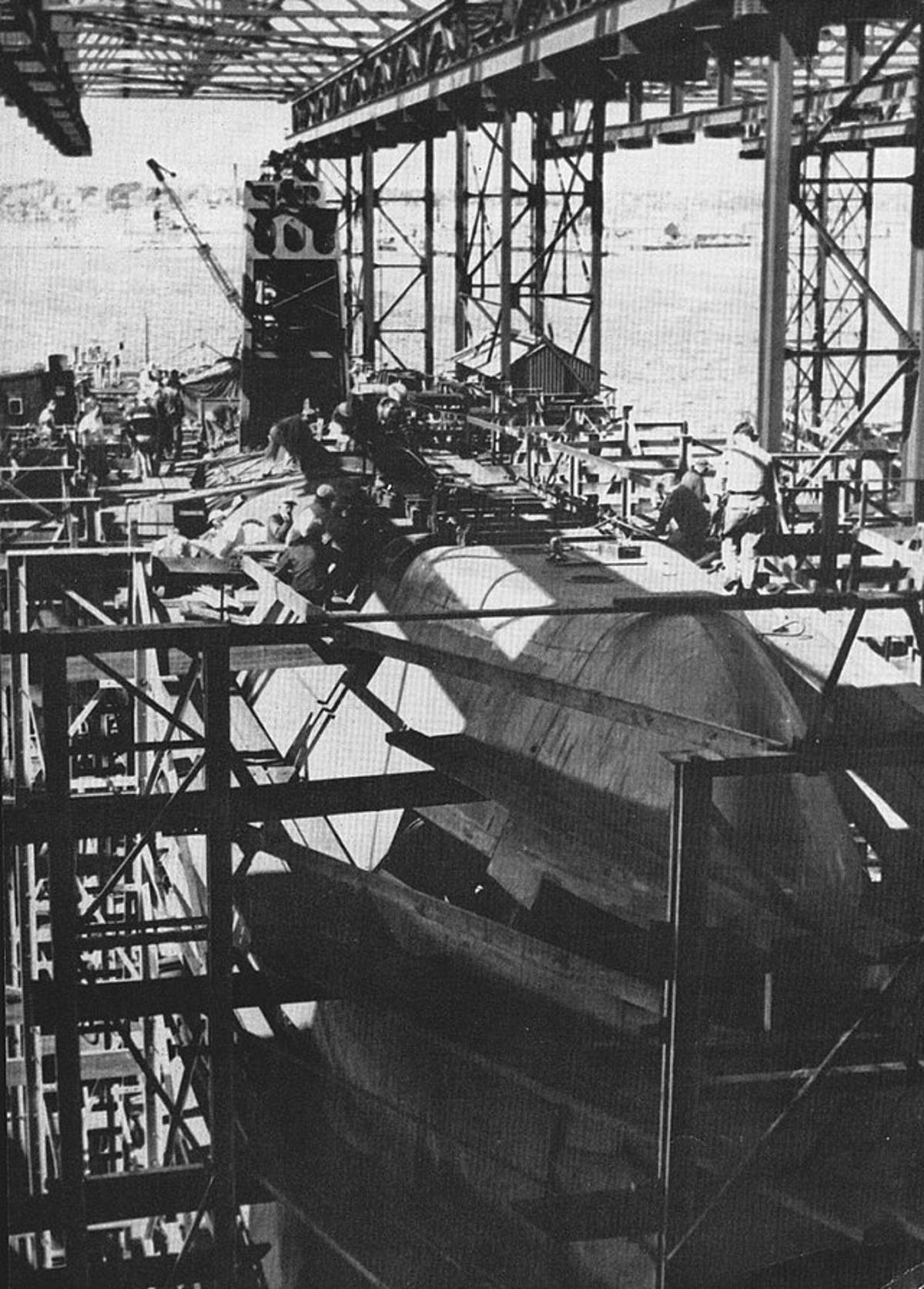
Nuclear Submarine Deterrence for Australia’s Strategic Defense
Key Takeaways
- •AUKUS will deliver nuclear‑powered attack submarines to Australia by 2030
- •Nuclear propulsion provides endurance, survivability, and integrated ISR capabilities
- •Cold‑War SSN experience informs Australia’s modern deterrence doctrine
- •China’s expanding navy pushes Australia toward nuclear submarine capability
- •Past US tech purchases show Australia can retain sovereignty with AUKUS
Pulse Analysis
The transition to nuclear‑powered submarines marks a watershed for Australia’s maritime strategy. While the 1993 Collins‑class diesel‑electric fleet was designed for regional presence, today’s security environment—characterized by the People’s Liberation Navy’s rapid expansion—demands platforms that can remain submerged for months, operate across vast oceanic distances, and deliver precision strike or intelligence missions without surfacing. Nuclear propulsion eliminates the logistical constraints of refueling and air‑independent propulsion, granting the Royal Australian Navy the ability to sustain continuous patrols in contested waters, a capability that diesel‑electric boats simply cannot match.
U.S. submarine development offers a blueprint for this evolution. From the pioneering USS Nautilus to the versatile Virginia‑class, each generation has expanded endurance, stealth, and ISR functions, proving essential in Cold‑War deterrence and post‑Cold‑War regional conflicts. These lessons are directly applicable to Australia’s AUKUS‑driven procurement, where the integration of advanced sonar, Tomahawk cruise missiles, and special‑operations support will enable a multi‑mission platform capable of both conventional strike and covert surveillance. By aligning with allied nuclear‑submarine standards, Australia also gains interoperability benefits, ensuring seamless coordination with U.S. and U.K. fleets in joint exercises and real‑world contingencies.
Strategically, the move reinforces the broader concept of integrated deterrence championed in recent U.S. National Security Strategies. It signals to potential adversaries that Australia can project power far beyond its shores, contributing to a collective security architecture that deters aggression through credible, survivable capabilities. Moreover, historical precedent shows Australia’s ability to adopt advanced U.S. technology—such as the F‑35 and HIMARS—without losing decision‑making autonomy, suggesting that nuclear submarine acquisition under AUKUS will bolster national security while preserving sovereign control over deployment choices.
Nuclear Submarine Deterrence for Australia’s Strategic Defense
Comments
Want to join the conversation?