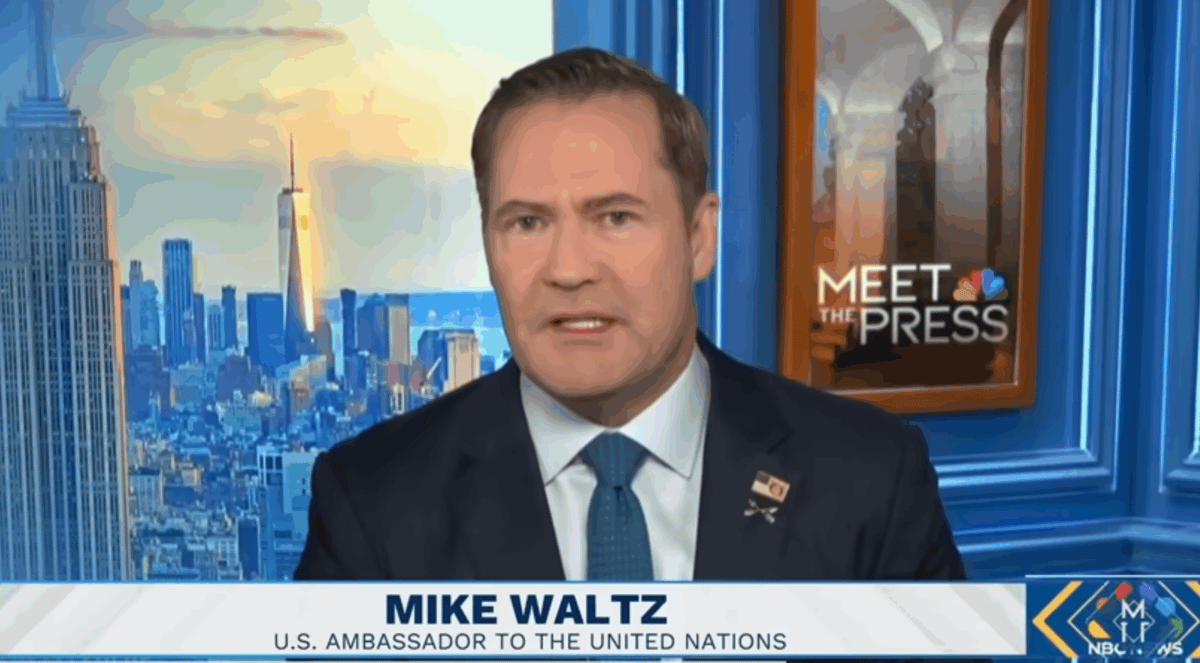
On Ambassador Waltz’s Defense of Potential Law of War Violations in Iran Conflict
Key Takeaways
- •Waltz claimed dual-use infrastructure is lawful to target under LOAC
- •Experts say attacks must meet military objective test and proportionality
- •Threatening all Iranian power plants violates distinction and may constitute war crime
- •War‑sustaining economic targets remain legally contested under international law
- •Misuse of legal rhetoric risks U.S. credibility and potential liability
Pulse Analysis
The debate over President Trump’s Iran threats underscores a broader tension between political rhetoric and the strict constraints of international humanitarian law. While Ambassador Michael Waltz invoked the dual‑use doctrine to legitimize attacks on power plants and bridges, the law of armed conflict demands a two‑part test: an object must be a genuine military objective and any attack must satisfy proportionality and precaution requirements. Legal scholars stress that merely labeling civilian infrastructure as "used for military purposes" does not automatically override the prohibition on indiscriminate attacks, especially when the intended effect is to cripple an entire civilian population.
Beyond the immediate legal analysis, the controversy raises strategic concerns for U.S. foreign policy. Pursuing or even signaling large‑scale destruction of Iran’s critical infrastructure could trigger retaliatory measures, destabilize regional security, and alienate allies who view such actions as disproportionate. Moreover, the United States risks setting a precedent that weakens the normative framework governing modern warfare, potentially encouraging other states to adopt similarly expansive targeting doctrines. The concept of "war‑sustaining" targets—such as oil facilities that fund a conflict—remains hotly debated, with many experts insisting that a direct, concrete link to military operations is required before such assets can be lawfully attacked.
For policymakers and legal advisors, the key takeaway is the necessity of aligning strategic objectives with the rigorous standards of the Law of War Manual and customary international law. Any operational plan must incorporate detailed target validation, proportionality assessments, and robust civilian protection measures to avoid war‑crime accusations. Failure to do so not only jeopardizes the legitimacy of U.S. military actions but also opens the door to international legal challenges and reputational damage, underscoring the critical importance of disciplined, law‑compliant decision‑making in high‑stakes conflicts.
On Ambassador Waltz’s Defense of Potential Law of War Violations in Iran Conflict
Comments
Want to join the conversation?