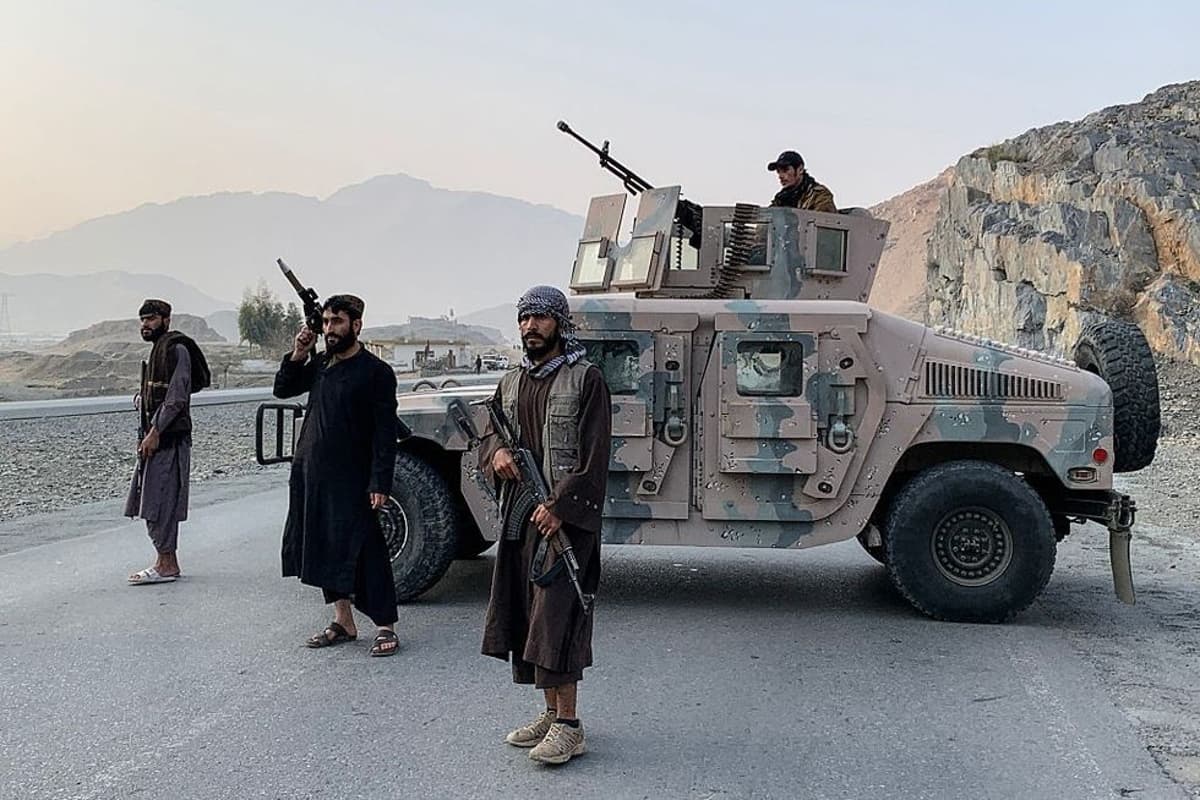
Key Takeaways
- •Five‑day Eid ceasefire (Mar 19‑24) ended without lasting peace.
- •Pakistan claims 684 Taliban killed; UN reports 289 Afghan civilian deaths.
- •Conflict pits Pakistan against former proxy Taliban amid TTP sanctuary disputes.
- •Simultaneous tensions with Iran and India stretch Pakistan’s nuclear‑armed resources.
- •US mediation limited; Saudi, Qatar, Turkey urging sustainable agreement.
Pulse Analysis
The abrupt end of the Eid‑timed ceasefire underscores how fragile temporary pauses have become in the Pakistan‑Afghanistan rivalry. While Islamabad touts Operation Ghazab Lil Haq as a decisive strike campaign, the UN’s civilian death toll and the Taliban’s denial of Pakistani figures reveal a deep information war. The underlying driver is Pakistan’s abandoned strategic‑depth doctrine, which once leveraged the Taliban as a buffer against India but now faces a paradox: the Taliban’s refusal to curb the Tehrik‑e‑Taliban Pakistan (TTP) forces Islamabad to confront a former proxy with conventional military force, a tactic that risks inflaming nationalist sentiment within Afghanistan.
Beyond the bilateral clash, the conflict reverberates across Pakistan’s other frontiers. In the west, Iran’s internal turmoil after the killing of its supreme leader threatens to destabilize the porous Balochistan border, where insurgent groups like the Baloch Liberation Army could exploit the chaos for arms and movement. Simultaneously, India’s recent Operation Sindoor and the suspension of the Indus Waters Treaty have placed Pakistan’s critical agricultural sector—accounting for roughly a quarter of GDP—under severe strain. Managing three active security dilemmas while safeguarding a nuclear arsenal tests the limits of Pakistan’s command and control structures, raising concerns about inadvertent escalation.
American policymakers face a dilemma: intervene to prevent a regional conflagration or allow local powers to negotiate a settlement. Washington’s hands‑off approach, delegating mediation to Saudi Arabia, Qatar and Turkey, reflects competing priorities and a possible underestimation of the war’s spillover effects on U.S. national security. Yet the convergence of nuclear risk, jihadist opportunism in Balochistan, and disrupted trade routes through Iran and Afghanistan creates a strategic calculus that may compel renewed U.S. diplomatic engagement. A credible path forward will likely require coordinated pressure on both Islamabad and Kabul to dismantle TTP sanctuaries, coupled with incentives that address Pakistan’s security concerns without deepening its reliance on conventional force.
Pakistan: Broker of Peace While Still at War
Comments
Want to join the conversation?