Key Takeaways
- •Ghalibaf positions himself as Iran’s primary voice amid US‑Iran tensions
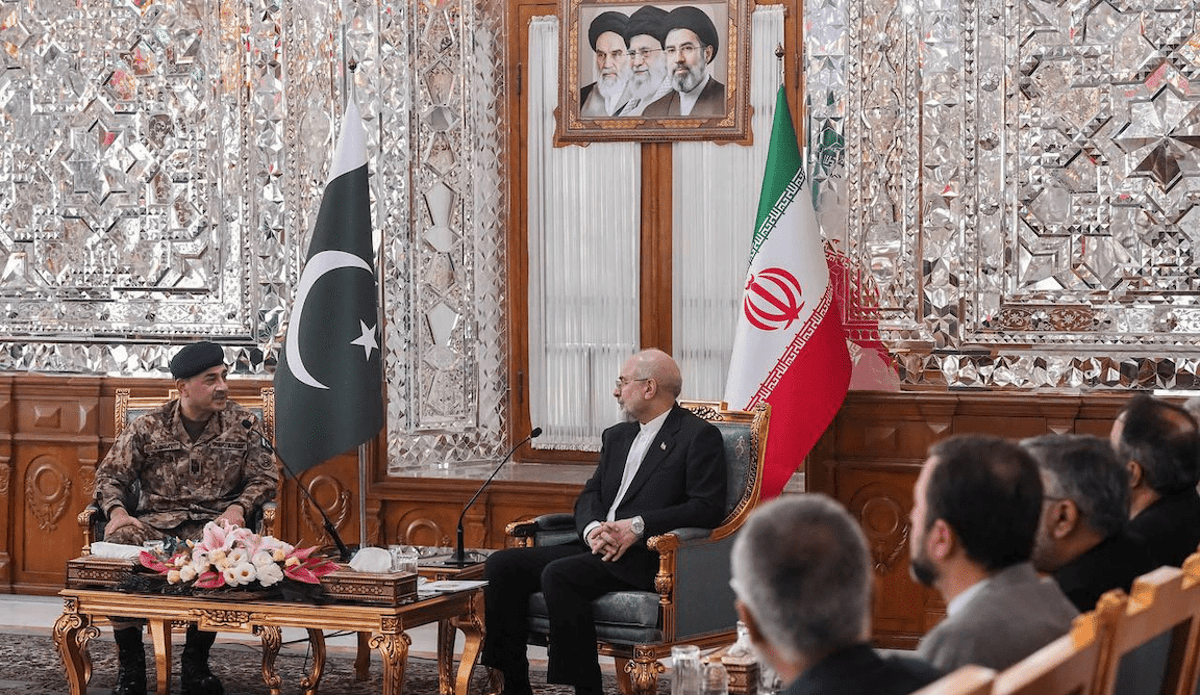
- •Meeting with Pakistan’s army chief signals regional diplomatic outreach during cease‑fire
- •US plans to extend cease‑fire while threatening broader strikes on Iranian infrastructure
- •Analysts see Ghalibaf as viable leader for a transitional Iranian state
- •Trump’s envoy Steve Witkoff returns to Islamabad for renewed US‑Iran talks
Pulse Analysis
Bagher Ghalibaf, a former IRGC brigadier general turned parliament speaker, used a televised address to assert his dominance over Iran’s war narrative with the United States. His speech, largely ignored by Western broadcasters, highlighted the internal hierarchy where the speaker now eclipses traditional clerical figures such as Ali Larijani. Ghalibaf’s long‑standing ties to the IRGC, his tenure as Tehran mayor, and his personal connection to the late Qassem Soleimani reinforce his credibility within the security establishment, positioning him as the de facto head of state during a volatile cease‑fire.
The address coincided with a high‑profile meeting between Ghalibaf and Pakistan’s army chief Asim Munir, signaling Tehran’s attempt to broaden diplomatic channels beyond the stalled US‑Iran talks. Meanwhile, President Trump announced the return of envoy Steve Witkoff to Islamabad and warned of sweeping strikes on Iranian power plants and bridges if negotiations falter. The two‑week cease‑fire, set to expire soon, appears poised for extension, but recent US Navy seizures of an Iranian‑flagged vessel in the Gulf of Oman underscore the fragility of the truce.
Analysts argue that Ghalibaf is the most pragmatic figure to steer a transitional Iranian state, balancing hard‑line IRGC interests with limited diplomatic overtures. His willingness to engage in “step‑by‑step” reciprocity could stabilize the region, yet his background as a propagandist and alleged involvement in security rackets raises questions about long‑term governance and human‑rights reforms. For investors and policymakers, the evolving power dynamics suggest heightened uncertainty for oil markets, potential realignment of regional alliances, and a need to monitor how Tehran’s internal hierarchy influences future US‑Iran engagement.
Peace Or No Peace?
Comments
Want to join the conversation?