Prime Minister Says UK and France to Lead Mission to Restore Shipping Movement in Strait of Hormuz
Key Takeaways
- •UK and France to co‑lead multinational mine‑clearance mission in Hormuz
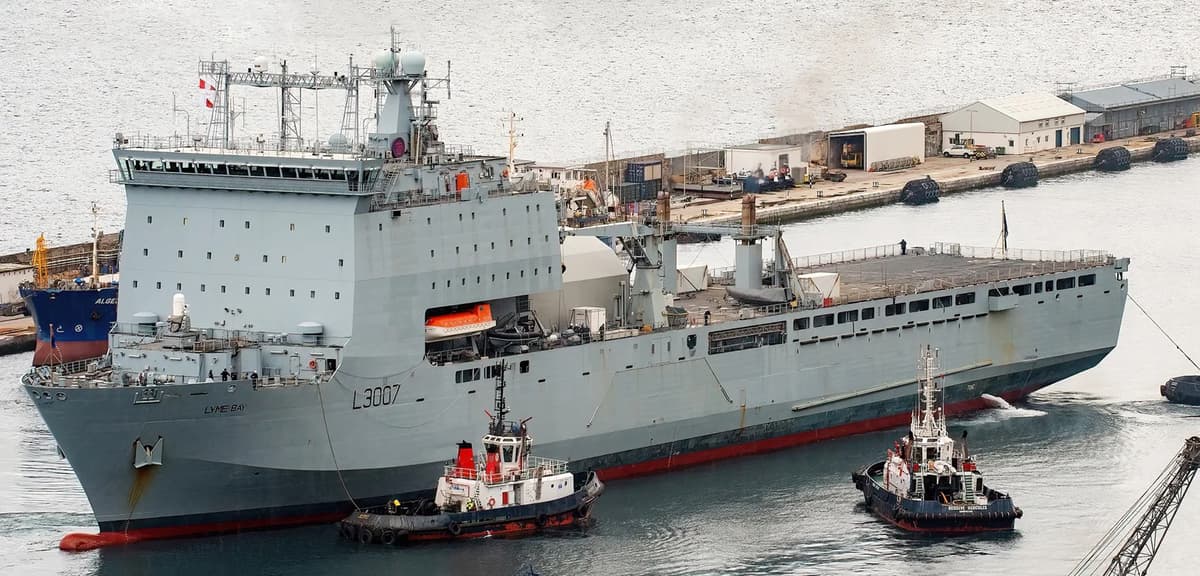
- •RFA Lyme Bay prepared for forward deployment to Oman’s Duqm port
- •Mission aims to reassure commercial shipping after Iran reopens strait
- •US may release $20 bn frozen Iranian funds contingent on uranium deal
- •Autonomous mine‑countermeasure systems still untested in high‑threat environment
Pulse Analysis
The Strait of Hormuz, a chokepoint that handles roughly a fifth of global oil shipments, has long been a flashpoint for geopolitical tension. Iran’s recent announcement that the waterway is open to commercial vessels follows a de‑escalation of hostilities, yet the lingering threat of naval mines keeps shippers wary. By stepping in with a coordinated European response, the UK and France aim to fill the security vacuum and signal a collective commitment to maritime safety, a move that could temper the market’s risk premium on oil prices.
Central to the European initiative is the deployment of RFA Lyme Bay, a versatile auxiliary vessel being refitted as a mine‑hunting mothership. Based out of Duqm, Oman—approximately 460 nautical miles from the Musandam Peninsula—the ship will host a suite of autonomous surface and underwater systems, including unmanned vessels that simulate ship signatures to trigger mines. While these technologies promise faster, safer clearance, they remain largely unproven in high‑threat environments, meaning the mission will likely operate alongside traditional assets such as HMS Anson and a potential frigate escort to ensure force protection.
The broader implications extend beyond the immediate safety of merchant traffic. A successful European‑led operation could reshape the strategic calculus in the Gulf, reducing the United States’ sole burden of naval deterrence and encouraging multilateral burden‑sharing. Moreover, the parallel U.S. discussion about unlocking $20 bn of frozen Iranian assets in exchange for uranium concessions adds a diplomatic layer that could further stabilize the region. Stakeholders—from energy traders to defense contractors—should monitor the upcoming London planning conference, as its outcomes will influence shipping routes, insurance premiums, and the future posture of NATO and EU maritime forces in the Middle East.
Prime Minister says UK and France to lead mission to restore shipping movement in Strait of Hormuz
Comments
Want to join the conversation?