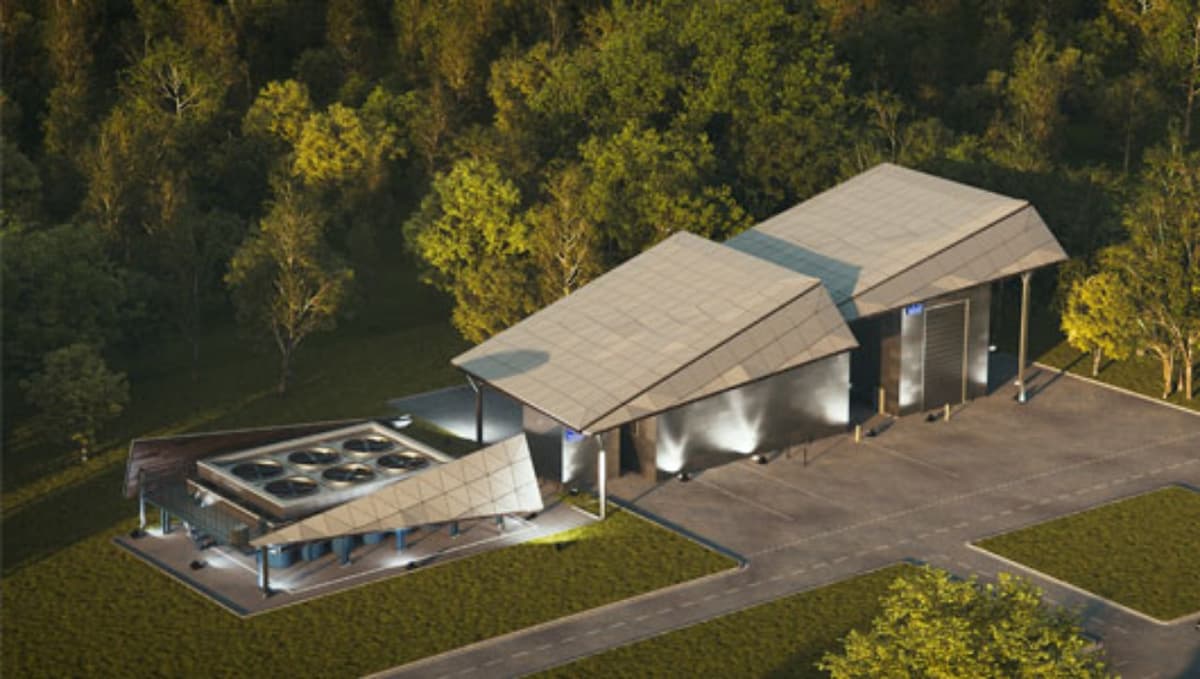
Rolls-Royce Sets Out Defence Case for Modular Reactor at UDT
Key Takeaways
- •Rolls‑Royce AMR aims for 5‑7 year fuel life, offering cost certainty.
- •Coated particle fuel provides passive safety, eliminating need for complex redundancy.
- •Mobile design enables road transport to remote or austere defence sites.
- •Potential UK export market as domestic fuel production reduces oil‑gas dependence.
Pulse Analysis
Modular nuclear technology is gaining traction as governments and defence ministries seek resilient energy solutions that can operate independently of fragile grids. Rolls‑Royce’s Advanced Modular Reactor (AMR) represents a shift from traditional large‑scale plants toward smaller, transportable units that deliver both electricity and high‑temperature heat. By targeting a five‑to‑seven‑year on‑site fuel lifespan, the AMR promises predictable operating costs and eliminates the logistical burden of frequent refuelling, a critical advantage for forward‑deployed forces and remote industrial sites.
At the heart of the AMR’s appeal is its coated particle fuel, which offers inherent, passive safety. Unlike conventional reactors that rely on extensive redundancy and active safety systems, the AMR can safely shut down without operator intervention, simplifying siting requirements and enabling placement closer to population centres or austere environments. The design’s road‑mobility further expands its utility, allowing rapid deployment to support hard‑to‑decarbonise sectors such as steelmaking, hydrogen production, and mining operations lacking reliable grid access. This dual‑use capability aligns with the UK’s broader clean‑energy strategy, providing a domestic source of low‑carbon power while reducing dependence on imported oil and gas.
Strategically, the AMR could become a cornerstone of the UK’s export portfolio. With domestic fuel manufacturing under development, Rolls‑Royce aims to offer a turnkey solution to allies and emerging markets that need secure, low‑carbon energy without the infrastructure of full‑scale nuclear plants. However, the programme remains at concept stage, and its success hinges on sustained government investment and competitive pressure from U.S. rivals advancing similar small‑modular reactor technologies. If backed, the mid‑2030s debut could position the UK at the forefront of next‑generation nuclear exports, reshaping the global energy‑defence landscape.
Rolls-Royce sets out defence case for modular reactor at UDT
Comments
Want to join the conversation?