Royal Navy Tests Killer Drone-Helicopter Team in Norway
Key Takeaways
- •Puma drones deliver live targeting data to Wildcat crews
- •Mesh network trial enables seamless data sharing across platforms
- •Joint UK‑Norway drills refine tactics against fast‑attack boats
- •Electronic‑warfare team simulated realistic infrared and radar missile threats
Pulse Analysis
The Royal Navy’s latest foray into integrated unmanned‑manned operations marks a pivotal shift in how western navies confront littoral threats. By coupling Puma‑type reconnaissance drones with Wildcat helicopters, the service can extend sensor reach far beyond the helicopter’s line‑of‑sight, feeding targeting cues directly into the cockpit. This capability is especially valuable in narrow fjord environments where fast, agile surface craft and low‑observable aerial swarms can exploit terrain for surprise attacks. The exercise also highlighted the role of electronic‑warfare specialists, who recreated infrared and radar‑guided missile signatures, forcing pilots to employ chaff and flares in realistic evasion drills.
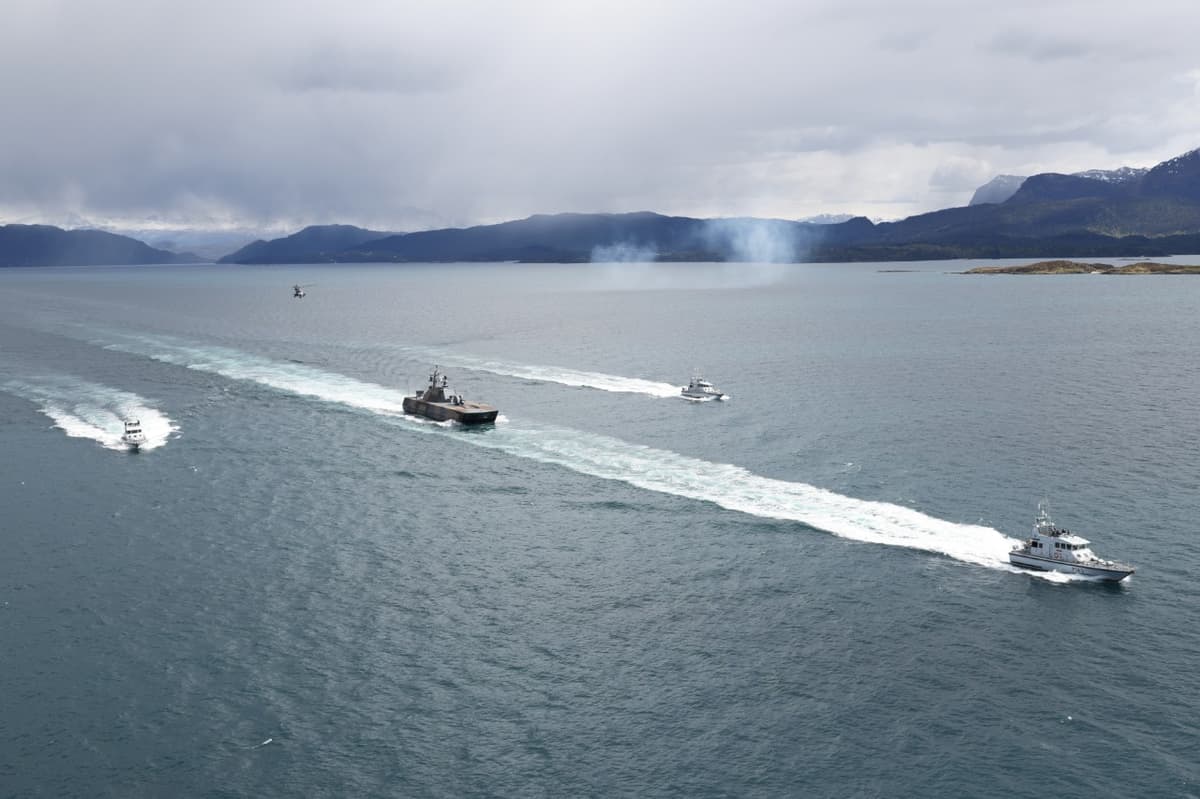
Exercise Tamber Shield’s joint nature amplified its strategic relevance. Operating from both the Norwegian base at Haakonsvern and the flight deck of HMS Duncan, Wildcat crews practiced engagements against Norway’s heavily‑armed Skjold‑class corvettes and Royal Navy P2000 patrol boats. The inclusion of Martlet missiles and Sting Ray torpedo drops demonstrated a full spectrum of anti‑surface and anti‑submarine options. Meanwhile, a parallel test at RNAS Yeovilton validated a mesh‑network architecture designed to fuse data from drones, helicopters and command nodes, promising near‑instantaneous situational awareness and faster weapon release cycles against swarm threats.
Looking ahead, the successful integration of drones, helicopters and a resilient communications backbone signals a broader doctrinal evolution for NATO’s maritime forces. As peer competitors field increasingly capable fast‑attack craft and autonomous weapon swarms, the ability to detect, track and engage these threats in constrained waters will be decisive. The Royal Navy’s demonstrated approach—leveraging commercial‑off‑the‑shelf UAVs, advanced electronic‑warfare training, and interoperable data links—offers a scalable template for allied navies seeking to modernise their littoral warfare capabilities while maintaining cost‑effectiveness. Confidence in these tactics will likely drive further procurement of UAV‑compatible helicopter kits and expanded joint exercises across the alliance.
Royal Navy tests killer drone-helicopter team in Norway
Comments
Want to join the conversation?