Russia Draws American Blood in Iran
Key Takeaways
- •Iran hit Prince Sultan Air Base in Saudi Arabia
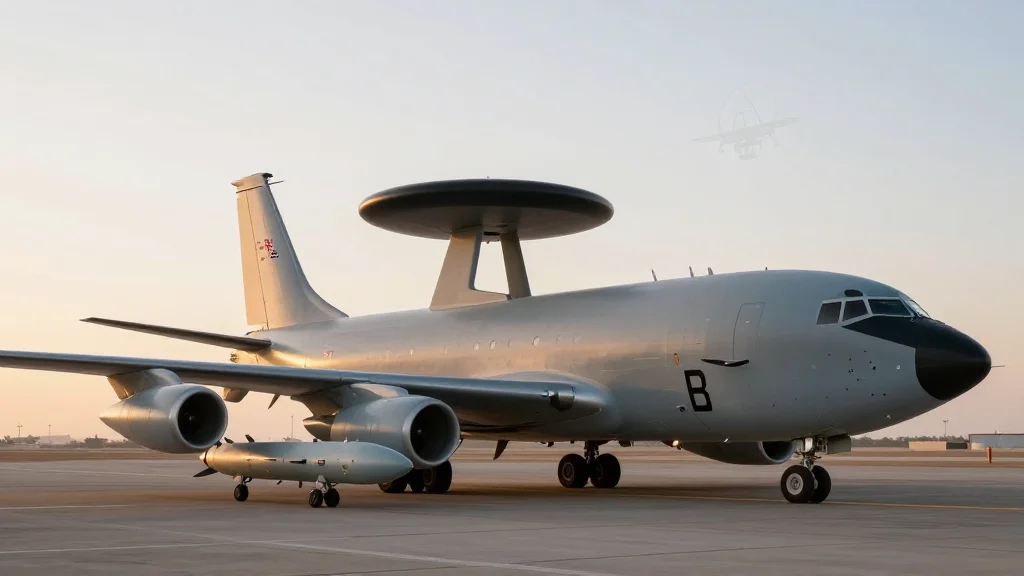
- •E‑3G AWACS was damaged, reducing US radar coverage
- •Russia supplied real‑time targeting data to Iran
- •US has 14 AWACS, many often under repair
- •Incident raises risk of direct US‑Russia confrontation
Pulse Analysis
The recent assault on Prince Sultan Air Base underscores a vulnerable point in the United States' global surveillance network. An E‑3G AWACS, one of only a handful of airborne warning and control systems, was struck while conducting real‑time monitoring of drone and missile activity across the Middle East. These aircraft can track targets over an area roughly the size of a small country, making them indispensable for early warning and coordination of defensive interceptors. Their loss not only hampers situational awareness in the theater but also diminishes the United States' ability to protect assets worldwide.
What sets this incident apart is the confirmed involvement of Russian intelligence. Satellite constellations operated by Moscow provided Iran with precise coordinates of the AWACS, enabling a pinpoint strike. While Russia has historically offered covert assistance to U.S. adversaries, this marks the first documented case of direct data sharing that facilitated an attack on American personnel and hardware. The move reflects a broader strategic calculus: by weakening U.S. detection capabilities, Russia can indirectly advance its own geopolitical interests in the region without committing forces directly.
The ramifications for U.S. defense policy are immediate and profound. With only 14 AWACS in service—many of which cycle through maintenance—the United States now faces a critical shortfall in airborne radar coverage. Decision‑makers must reassess interceptor allocations, accelerate replacement programs, and consider alternative surveillance platforms such as space‑based sensors. Moreover, the episode may compel Washington to confront Russia diplomatically, potentially reshaping the already fragile balance of power in the Middle East and prompting a reevaluation of intelligence‑sharing protocols with allied nations.
Russia Draws American Blood in Iran
Comments
Want to join the conversation?