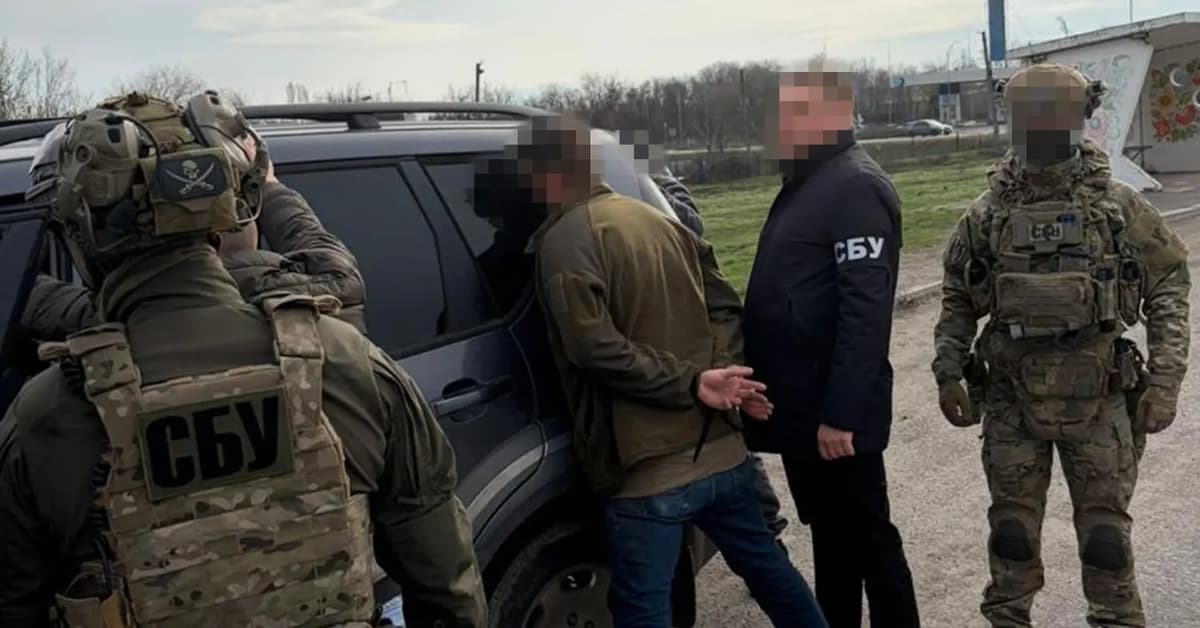
SBU Exposes Draft Evasion and Bribery Schemes Across Military Units
Key Takeaways
- •Chernihiv commander pocketed ~ $55,600 moving soldiers to rear posts.
- •Zhytomyr brigade chief stole ~ $10,300 via fictitious civilian hires.
- •Khmelnytskyi deputy accepted $5,000 bribes for rear‑unit transfers.
- •Lviv border guard offered $16,000 to erase draft registrations.
- •SBU’s crackdown highlights corruption risk to Ukraine’s war mobilization.
Pulse Analysis
Ukraine’s war effort depends on a reliable flow of personnel, yet draft‑evasion networks have long threatened that pipeline. By targeting the illegal market for "rear" assignments and falsified medical certificates, the SBU is addressing a vulnerability that can sap combat strength and morale. The recent operations demonstrate that corruption is not confined to a single unit; it spans regional commands, from Chernihiv to Lviv, and involves both regular officers and contract border‑guard personnel. Understanding the financial incentives—ranging from $5,000 to over $55,000—helps explain why the scheme persisted despite wartime pressures.
The uncovered schemes share a common playbook: officials leverage their authority to reclassify active soldiers as non‑combat personnel or to create phantom civilian jobs, then pocket the resulting salaries or demand direct bribes. In Chernihiv, a commander rerouted three servicemen to a rear garrison for a six‑figure payout, while in Zhytomyr a brigade chief appropriated salaries from nonexistent hires. Such practices not only divert state resources but also undermine the principle of equal service, fostering resentment among troops who see peers avoiding front‑line duties. The SBU’s coordinated raids, supported by the National Police, signal a calibrated response that combines investigative depth with rapid interdiction.
Looking ahead, the exposure of these networks may prompt tighter oversight of personnel assignments and stricter verification of medical exemptions. International partners monitoring Ukraine’s defense reforms are likely to view the crackdown as a positive step toward greater transparency and accountability. However, lasting change will require systemic reforms—such as digitized personnel records and independent audit mechanisms—to close the loopholes that enable bribery. As the conflict continues, the ability to enforce discipline and deter corruption will be a decisive factor in sustaining Ukraine’s military effectiveness.
SBU Exposes Draft Evasion and Bribery Schemes Across Military Units
Comments
Want to join the conversation?