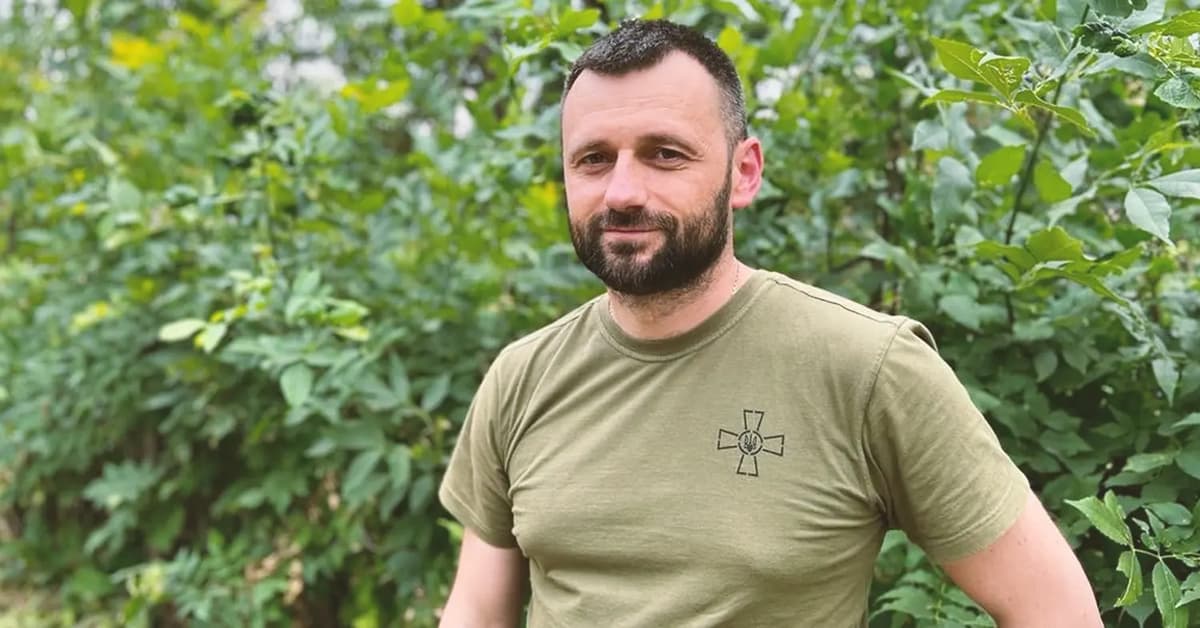
Why It Matters
The change seeks to restore combat effectiveness in a critical sector, while the controversy surrounding Sidorov may influence troop morale and command cohesion.
Key Takeaways
- •Sidorov replaces Silenko after Zaporizhzhia setbacks
- •Former 14th Mechanized Brigade commander appointed 17th Army Corps leader
- •Background includes tank brigade, Donbas, Slovyansk raid
- •Soldiers allege Sidorov's decisions increased casualties
- •Micromanagement claims could affect unit morale
Pulse Analysis
Ukraine’s armed forces have entered a period of rapid senior‑officer turnover as the front lines in the east remain fluid. The appointment of Colonel Yaroslav Sidorov to command the 17th Army Corps reflects a broader strategy to inject seasoned, combat‑tested leaders into positions where operational setbacks have eroded momentum. Sidorov’s résumé—spanning tank company actions in Donbas, a pivotal raid into Slovyansk, and successive brigade commands—offers the high‑command a blend of tactical acumen and frontline credibility that policymakers hope will translate into steadier defensive postures in the Zaporizhzhia sector.
The timing of the move is notable. Colonel Volodymyr Silenko’s removal followed the loss of the village of Kamyanske, a setback that exposed vulnerabilities in coordination and fire support. By installing a commander with deep armor expertise, Ukrainian leadership signals an intent to reinforce combined‑arms integration and to tighten command‑and‑control mechanisms that have been strained by sustained Russian pressure. Sidorov’s experience directing tank battalions and mechanized brigades could accelerate the Corps’ ability to conduct counter‑offensives, improve logistics synchronization, and enhance the effectiveness of artillery‑infantry cooperation—critical factors for regaining lost ground.
However, Sidorov’s recent tenure with the 14th Mechanized Brigade has been marred by internal dissent. Soldiers publicly accused him of micromanaging down to the platoon level and of decisions that inflated casualty rates. Such grievances, if left unaddressed, risk undermining morale and eroding trust in the new command structure. Balancing rigorous operational oversight with the autonomy needed for frontline initiative will be essential for Sidorov to win the confidence of his troops and to deliver the performance gains the 17th Army Corps urgently requires.
Sidorov appointed to lead 17th Army Corps
0
Comments
Want to join the conversation?
Loading comments...