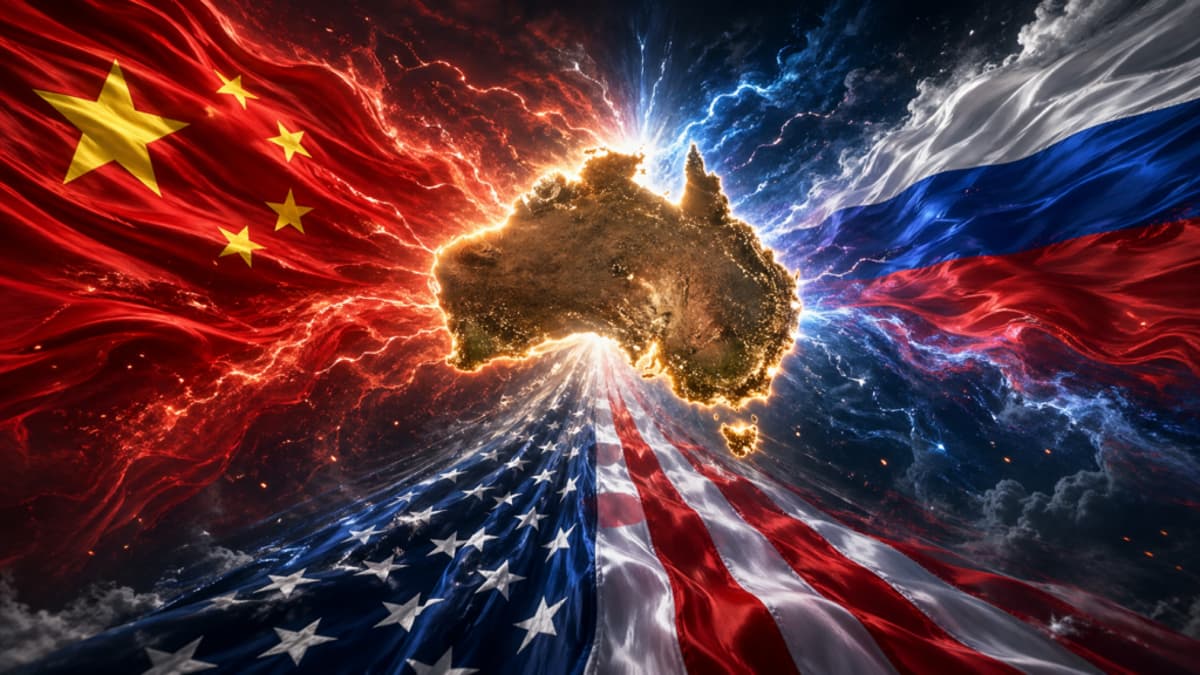
Silent Signals: Russian and Chinese Conventional Threats to NC3 and U.S. Extended Deterrence in Australia
Key Takeaways
- •Russia deployed diesel‑electric submarine to Indonesia, signaling conventional NC3 threat
- •China’s circumnavigation mapped Australian littoral zones near critical communication sites
- •Pine Gap and Harold E. Holt need hardening against submarine cyber attacks
- •Australia must expand undersea sensor networks and ASW assets to protect NC3
- •A regional nuclear alliance could formalize shared deterrence and deter gray‑zone aggression
Pulse Analysis
The Indo‑Pacific is witnessing a shift from overt nuclear posturing to subtle, conventional pressure. Russia’s surprise deployment of a diesel‑powered attack submarine to Indonesia and China’s sustained naval presence around Australia illustrate how quiet undersea platforms can gather intelligence, map undersea terrain, and position themselves for precision strikes against critical infrastructure. These moves exploit the gray zone between peace and war, allowing adversaries to test the limits of U.S. extended deterrence without crossing the nuclear threshold.
At the heart of the concern are Australia’s NC3 facilities—Pine Gap and the Harold E. Holt station—which underpin early‑warning, signals intelligence, and communication links for America’s nuclear forces. If hostile submarines or cyber actors can disrupt these nodes, the credibility of a rapid nuclear response erodes, giving potential aggressors confidence to pursue conventional or hybrid actions. Policymakers therefore must prioritize hardening these sites, diversify communication pathways through space‑based and mobile assets, and invest heavily in under‑sea surveillance, autonomous sensors, and anti‑submarine warfare capabilities to deny adversaries a foothold in Australia’s maritime approaches.
Beyond technical fixes, the strategic response calls for deeper alliance integration. Regularized nuclear consultation between Washington and Canberra, scenario‑based planning, and the creation of an Indo‑Pacific nuclear sharing framework involving Japan, South Korea, the Philippines and other partners would formalize collective deterrence responsibilities. Such a structure would signal unified resolve, complicate adversary calculations, and reinforce the link between conventional resilience and nuclear credibility. In sum, safeguarding Australia’s NC3 assets is essential to preserving the broader stability of the Indo‑Pacific security architecture.
Silent Signals: Russian and Chinese Conventional Threats to NC3 and U.S. Extended Deterrence in Australia
Comments
Want to join the conversation?