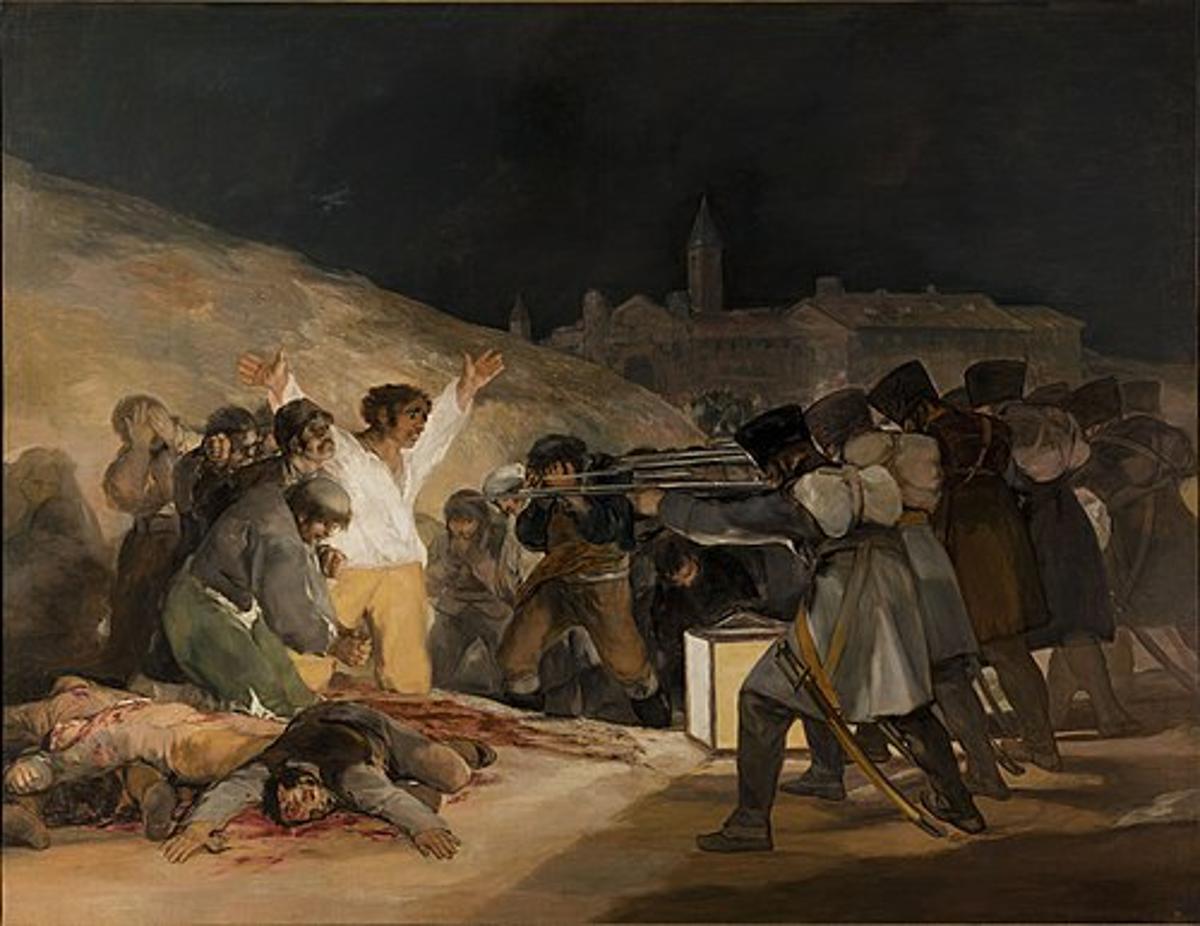
South Africa’s Crime War and the Global Challenge of Criminal Insurgency
Key Takeaways
- •Operation Prosper deploys SANDF troops to assist SAPS in high‑crime zones
- •Intelligence‑led targeting of criminal kingpins prioritized over blanket sweeps
- •Experts warn military training mismatches risk escalation and legitimacy loss
- •Success hinges on police reform and sustainable civilian security institutions
- •South Africa’s model mirrors global debates on using troops against organized crime
Pulse Analysis
South Africa’s crime surge has forced policymakers to blur the line between defence and law‑enforcement. With homicide rates hovering between 26,000 and 30,000 deaths per year, the government rolled out Operation Prosper, stationing army units in hotspots to support the South African Police Service (SAPS). The deployment is framed as a short‑term stabiliser, buying time for institutional reforms while delivering a visible security presence that aims to deter violent gangs and protect vulnerable communities. This approach mirrors earlier emergency measures, such as the military’s role in enforcing COVID‑19 lockdowns, but the current focus is on precision rather than sheer force.
The core of the strategy rests on intelligence‑driven operations that hunt high‑value criminal leaders, a concept championed by security scholars like Dr. John Sullivan. By treating organized crime as a hybrid political‑military entity, the SANDF seeks to disrupt networks rather than conduct indiscriminate sweeps. However, critics argue that soldiers lack the training for nuanced policing, risking excessive force and eroding public trust. The experience of other jurisdictions—particularly U.S. special‑operations support against Mexican cartels—shows that without clear objectives, civilian‑military coordination, and a robust legal framework, short‑term gains can quickly reverse.
The South African experiment offers a cautionary template for nations grappling with similar insurgent‑style criminal threats. While military involvement can create temporary order, lasting security depends on strengthening civilian institutions, advancing police professionalism, and addressing socioeconomic drivers of crime. Policymakers worldwide will watch South Africa’s outcomes to gauge whether a calibrated, intelligence‑centric military role can complement, rather than replace, sustainable policing reforms.
South Africa’s Crime War and the Global Challenge of Criminal Insurgency
Comments
Want to join the conversation?