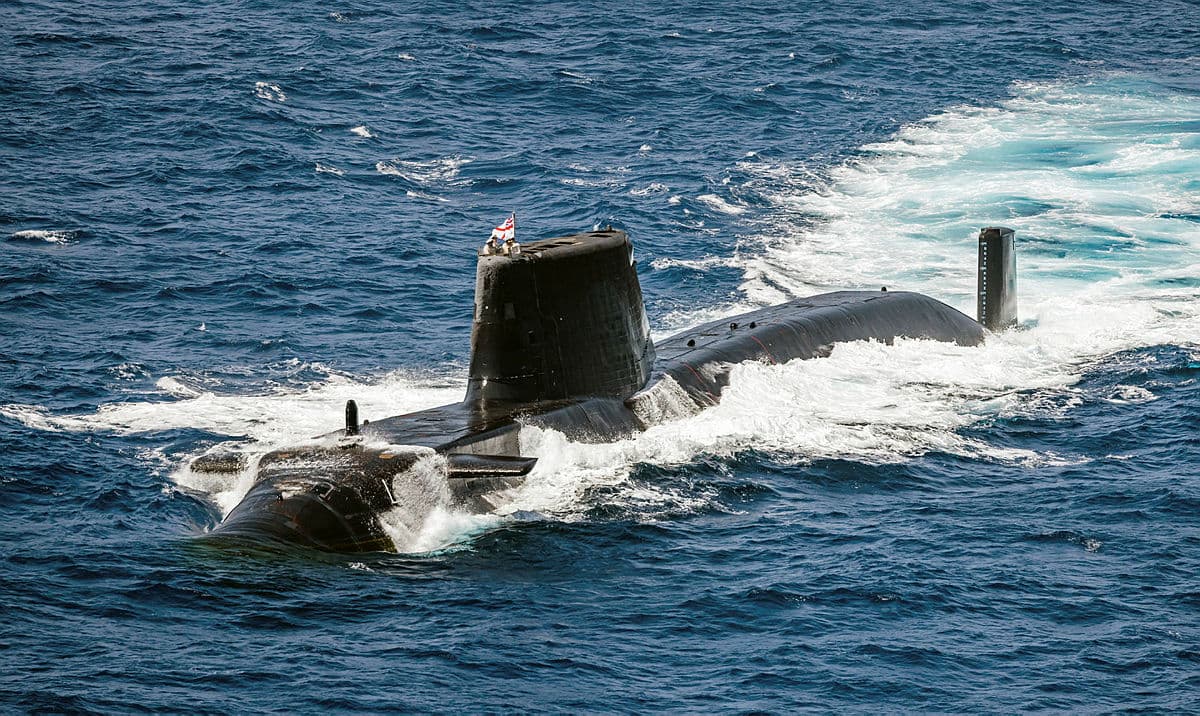
Submarines to Face Tighter Freedom of Manoeuvre
Key Takeaways
- •Submarines remain central but will face reduced stealth in crowded seas
- •Integration of autonomous vehicles will be built into future submarine designs
- •NATO's Digital Ocean aims to make underwater domain more transparent
- •Uncrewed vessels expected to outnumber crewed subs by decade's end
- •Mixed fleet approach balances human crews with persistent unmanned sensors
Pulse Analysis
The North Atlantic’s undersea battlefield is undergoing a digital transformation that challenges the classic notion of the submarine as a lone, invisible predator. Advances in sonar, satellite‑linked buoys, and networked surface ships create a "transparent" ocean where traditional acoustic concealment is harder to achieve. This shift, championed by NATO’s Digital Ocean concept, forces navies to invest in higher‑frequency sensing and data‑fusion capabilities, fundamentally altering how submarines navigate and engage targets.
In response, naval architects are embedding autonomous underwater vehicles (AUVs) and modular payload bays directly into new submarine hulls. Rather than retrofitting legacy platforms, designers are planning for launch‑and‑recover capabilities that extend a sub’s reach and persistence without compromising crew safety. These systems demand new command‑and‑control interfaces and, paradoxically, may increase personnel requirements for mission planning and data analysis, countering the assumption that unmanned tech automatically reduces manpower.
Strategically, the rise of uncrewed platforms reshapes force‑mix decisions and budget allocations. While political narratives sometimes push for a one‑for‑one replacement of manned attack submarines with drones, experts warn that a hybrid fleet delivers the best of both worlds: human judgment for complex engagements and persistent, low‑cost sensing from unmanned assets. As uncrewed numbers are projected to surpass crewed vessels by the end of the decade, NATO allies will need coordinated procurement and doctrine to ensure seamless integration, preserving undersea deterrence while adapting to a more observable maritime environment.
Submarines to face tighter freedom of manoeuvre
Comments
Want to join the conversation?