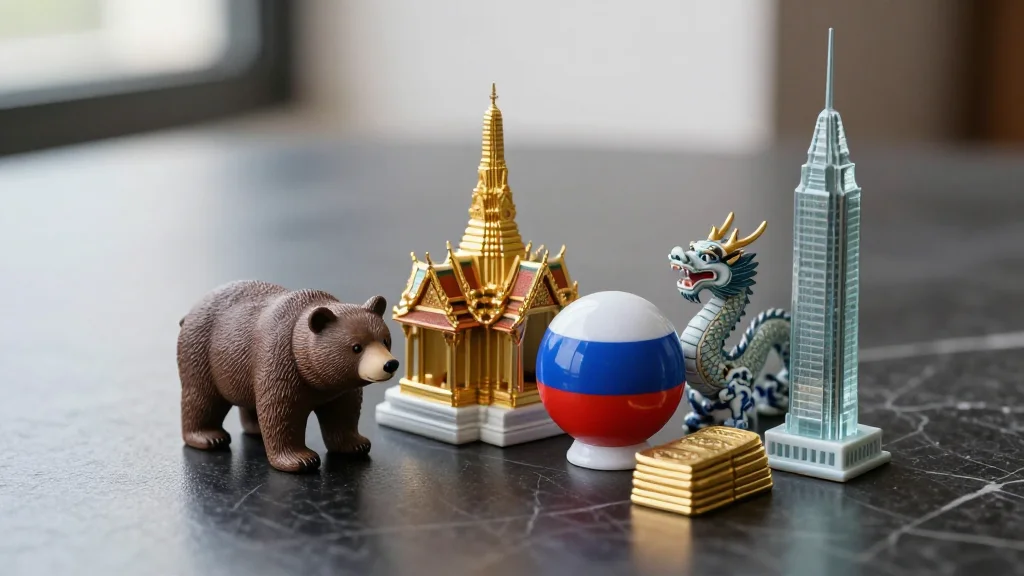
Thailand Turns to Russia and China for Iran War Help Because US Offers None
Key Takeaways
- •Thailand seeks Russian fertilizer and Chinese support amid Iran war fallout
- •U.S. offers only oil purchases, no direct economic aid to Thailand
- •Diesel and urea prices in Thailand have surged to historic levels
- •Thai banks hesitate to handle Russian crude due to sanctions risk
- •Shift hints Southeast Asian allies may pivot toward China, Russia
Pulse Analysis
The Iran‑Israel war has rippled far beyond the Middle East, choking supply chains that feed Southeast Asia’s agricultural sector. Thailand, home to more than 10 million farmers, relies heavily on urea fertilizer and diesel imported through the Strait of Hormuz. Since the conflict began, fertilizer prices have nearly doubled and diesel has hit record highs, threatening the upcoming planting season and inflating food costs across the region. With the United States offering only a generic invitation to buy American oil, Bangkok has been left to confront a supply crunch on its own.
In response, Thai officials have turned eastward, sending the agriculture minister to Moscow to negotiate fertilizer shipments and engaging Chinese diplomats in Krabi to discuss crude oil purchases. While Russian crude could alleviate fuel shortages, Thai banks are wary of violating U.S. sanctions, creating a delicate financial balancing act. Beijing, positioning itself as a reliable partner, has pledged consistent support, contrasting with the perceived volatility of U.S. policy under the Trump administration. This diplomatic pivot reflects a broader trend of Asian nations diversifying their strategic partners to safeguard critical inputs.
The realignment carries weighty geopolitical implications. A weakened U.S. alliance in a key logistics hub raises questions about future American military basing and influence in the Indo‑Pacific. As Thailand, India, and even Canada explore deeper ties with China and Russia, supply‑chain resilience and regional security calculations are likely to shift. Investors and policymakers should monitor how these new partnerships affect commodity markets, sanctions enforcement, and the balance of power in a region already fraught with strategic competition.
Thailand Turns to Russia and China for Iran War Help Because US Offers None
Comments
Want to join the conversation?