Thales Targets Subsea Sensing as Uncrewed Shift Gathers Pace
Key Takeaways
- •Thales adapts submarine sonar for uncrewed underwater vehicles.
- •Sonar 76 Nano uses modular hydrophone tiles for scalable sensing.
- •Focus shifts to persistent monitoring of cables, pipelines, and mine threats.
- •AI filtering prioritizes actionable data, reducing operator overload.
- •In-water trials slated later 2026 with navies and OEMs.
Pulse Analysis
The underwater battlespace is undergoing a rapid transformation as nations scramble to protect subsea cables, pipelines and strategic chokepoints. Recent Russian naval incursions and heightened mine‑warfare activity in the Strait of Hormuz have underscored the vulnerability of critical national infrastructure beneath the waves. Operators now demand persistent, high‑resolution monitoring that can operate autonomously for months, rather than relying on sporadic manned surveys. This strategic pressure is fueling a market shift toward uncrewed platforms capable of delivering continuous situational awareness in both deep and littoral waters.
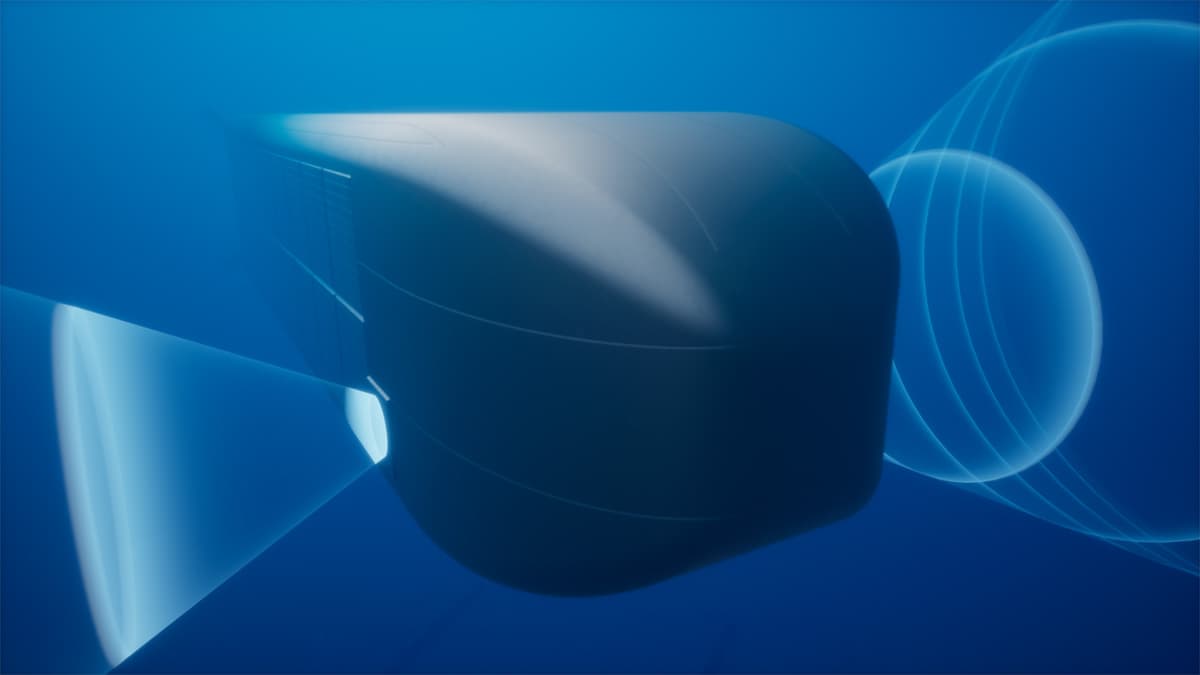
Thales’ response is the Sonar 76 Nano, a scaled‑down derivative of the Royal Navy’s 2076 submarine suite. Built around interchangeable hydrophone tiles, the system can be arranged along the hull of an autonomous underwater vehicle or mounted at the bow, offering both passive acoustic detection and optional active transmission. The modular architecture lets customers balance coverage against payload constraints, while built‑in AI algorithms filter out routine traffic and highlight anomalous contacts. By delivering processed “sea‑to‑screen” intelligence, the Nano turns raw acoustic data into actionable insight at the point of decision.
The commercial and military implications are significant. Vehicle manufacturers gain a ready‑made sensor payload that upgrades transit‑only drones into true surveillance assets, opening new revenue streams for both OEMs and defence contractors. Navies benefit from a cost‑effective way to extend their sonar footprint without deploying additional submarines, enhancing protection of sea lines of communication. As Thales moves toward in‑water trials later in 2026, the industry will watch how quickly the technology scales and whether AI‑driven data triage can keep pace with the growing sensor deluge.
Thales targets subsea sensing as uncrewed shift gathers pace
Comments
Want to join the conversation?