Key Takeaways
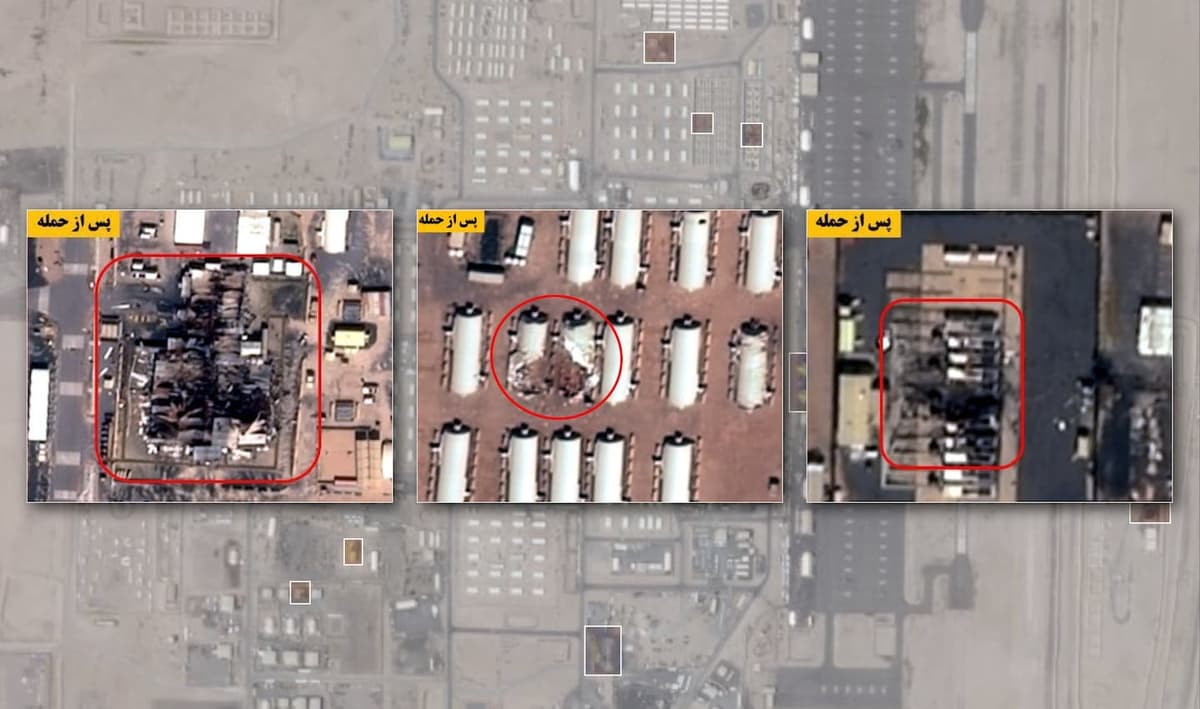
- •228 structures hit across 15 U.S. Middle East bases
- •Iran targeted fuel depots, radars, Patriot batteries, aircraft
- •Fixed bases now liabilities amid cheap drones and precision fires
- •U.S. commanders dispersed personnel, limiting base operations
- •Future posture will favor mobility, deception, hardened micro‑footprints
Pulse Analysis
The Washington Post’s satellite‑imagery analysis reveals a startling level of damage to U.S. infrastructure in the Middle East, with 228 structures across 15 installations compromised. The targeting was not indiscriminate; Iran focused on high‑value assets such as fuel storage, air‑defense batteries and communication hubs, demonstrating a sophisticated strike capability that can neutralize even the most fortified sites. This level of precision underscores how modern surveillance and long‑range weapons have eroded the traditional safety net that static bases once provided.
Operationally, the United States has already begun to adapt. Commanders have dispersed troops, reduced the footprint of vulnerable installations, and limited the use of certain facilities for fear of further attacks. The conflict also highlighted the limits of commercial imagery restrictions—despite attempts to shield operational details, Iran was able to publish its own satellite evidence, proving that static assets are increasingly exposed to public scrutiny and adversary analysis. With interceptor inventories stretched thin, the cost of defending large, exposed bases may outweigh their strategic benefits.
Strategically, the episode mirrors lessons learned in Ukraine, where centralized bases have struggled against precision‑strike networks. Policymakers are now weighing a shift toward smaller, more mobile outposts, hardened underground facilities, and deception tactics that complicate enemy targeting. The era of the “untouchable” American base appears to be ending, prompting a reevaluation of force posture that prioritizes agility, resilience, and a reduced operational footprint. This transition will shape procurement, training, and alliance planning for years to come.
The American Military Base: Untouchable No More?
Comments
Want to join the conversation?