The Diffusion of Technology Is Changing Warfare
Key Takeaways
- •Drones and cheap sensors enable near‑real‑time targeting of supply lines
- •Cyber attacks can cripple command networks without physical presence
- •Small states gain strategic leverage by threatening logistics hubs
- •Militaries are adopting distributed basing and autonomous resupply
Pulse Analysis
Historically, modern force projection relied on the assumption that rear areas—fuel depots, command centers, and logistics hubs—were insulated from enemy reach. Only a handful of great powers possessed the intelligence, long‑range strike capability, and logistical capacity to threaten these nodes at distance. This security allowed armies to concentrate forces forward, confident that their supply chain would remain intact. The article contends that this paradigm is collapsing as sophisticated technologies become affordable and widely available, turning rear‑area security into a contested domain.
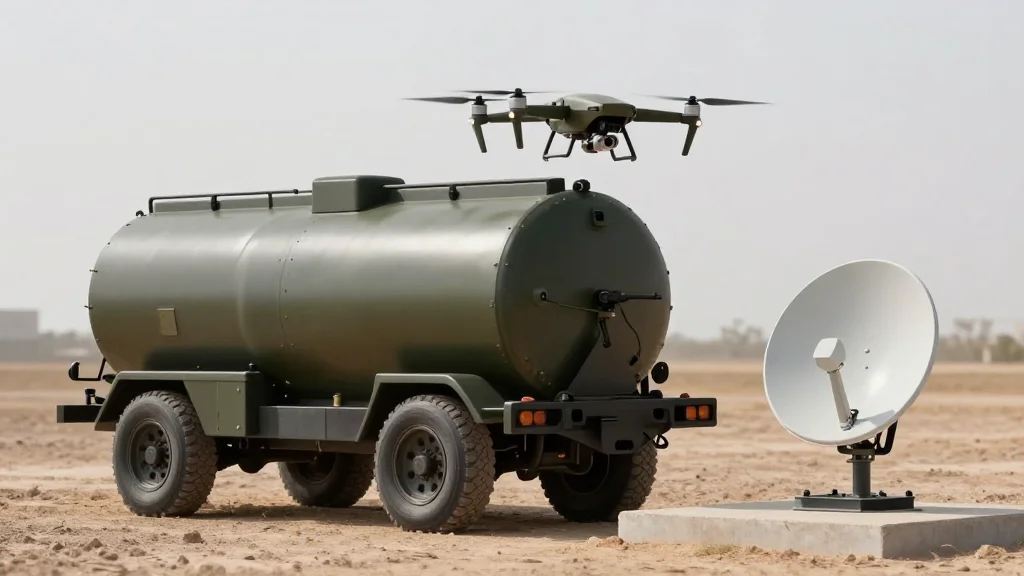
The diffusion of low‑cost drones, commercial satellite imagery, and open‑source cyber tools has democratized the ability to locate and strike logistical targets. In Ukraine, commercial off‑the‑shelf drones have been used to attack ammunition depots and fuel trucks, while cyber intrusions have intermittently disabled Russian command networks. Similar patterns emerged in Yemen, where Houthi forces leveraged inexpensive UAVs and cyber raids to disrupt Saudi supply convoys. These examples demonstrate that even actors without traditional air‑power can impose strategic costs by targeting the arteries of war, forcing adversaries to allocate resources to defense and redundancy rather than offensive operations.
The strategic implication is a shift toward more distributed, resilient force structures. Militaries are investing in autonomous resupply vehicles, hardened communication nodes, and modular base designs that can survive localized attacks. Defense contractors see growing demand for anti‑drone systems, rapid‑deployment logistics platforms, and AI‑driven threat detection. For policymakers, the lesson is clear: future warfare will be defined not just by firepower but by the ability to protect and adapt supply chains in an environment where technology is no longer the exclusive domain of superpowers. This reality compels a reevaluation of doctrine, budgeting, and alliance planning to ensure operational continuity under pervasive technological threat.
The Diffusion of Technology Is Changing Warfare
Comments
Want to join the conversation?