The Institutional Battlefield: Why Irregular Warfare Must Contemplate Path Dependence
•February 17, 2026
0
Why It Matters
Understanding institutional manipulation reveals why conflicts can produce lasting, non‑military outcomes, shaping reconstruction and policy decisions for Ukraine and similar theaters.
Key Takeaways
- •Institutions become primary battlefield in irregular wars
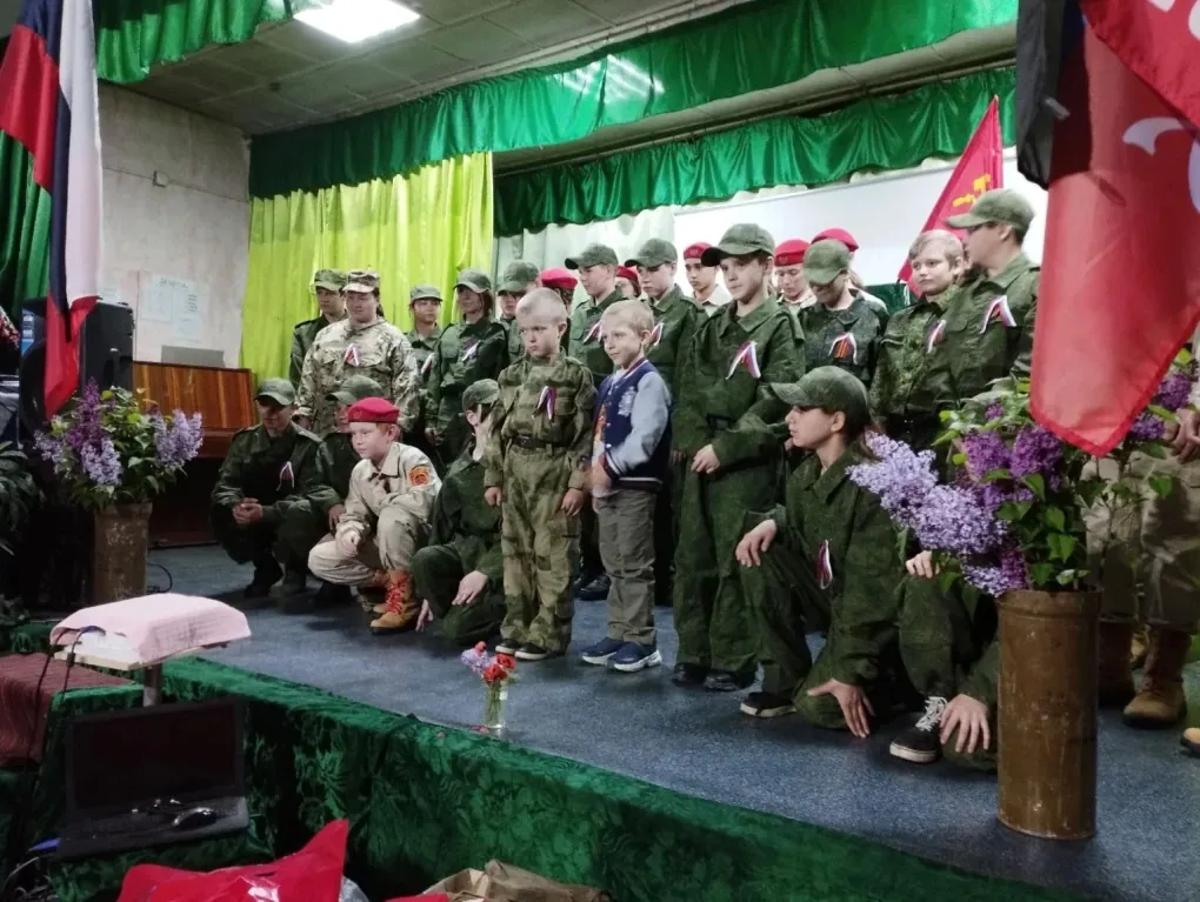
- •Russia uses passportization, education to enforce assimilation
- •Institutional changes create irreversible path dependence
- •Economic extraction mirrors industrial colonialism in Donbas
- •Future peace likely entrenches new institutional equilibrium
Pulse Analysis
The traditional lens of irregular warfare emphasizes guerrilla tactics, proxy forces, and kinetic engagements, often sidelining the role of state‑crafted institutions. Scholars now recognize that institutions—legal frameworks, education systems, and economic structures—act as strategic assets that can lock societies into new trajectories. Path‑dependence theory explains how early institutional choices generate self‑reinforcing feedback loops, making it difficult to revert to prior equilibria even after hostilities cease. By integrating institutional analysis, analysts gain a fuller picture of how wars reshape political and cultural landscapes over the long term.
In the Donbas, Russia has deployed a suite of bureaucratic tools to cement control. Mandatory "passportization" forces residents into Russian citizenship, tying access to health, employment, and social services to compliance. Schools are repurposed for "military‑patriotic" curricula, eroding Ukrainian cultural narratives. Simultaneously, Moscow pursues an industrial colonialism model, extracting resources while promising reconstruction that masks extractive motives. These measures embed an extractive institutional model that reshapes daily life, creates sunk costs, and generates a generation accustomed to a distinct worldview—effects that persist irrespective of future military outcomes.
For policymakers, the implication is clear: peacebuilding must address more than cease‑fires and territorial withdrawals. Re‑establishing inclusive governance, restoring educational autonomy, and reversing economic extraction are essential to break the path‑dependent lock‑in. International actors should design reconstruction packages that prioritize institutional resilience, ensuring that restored structures can adapt without reproducing the imposed hierarchies. The Donbas case serves as a cautionary template for other irregular conflicts where bureaucratic domination may outlast the bullets, underscoring the need for a holistic, institution‑focused strategy in future security planning.
The Institutional Battlefield: Why Irregular Warfare Must Contemplate Path Dependence
0
Comments
Want to join the conversation?
Loading comments...