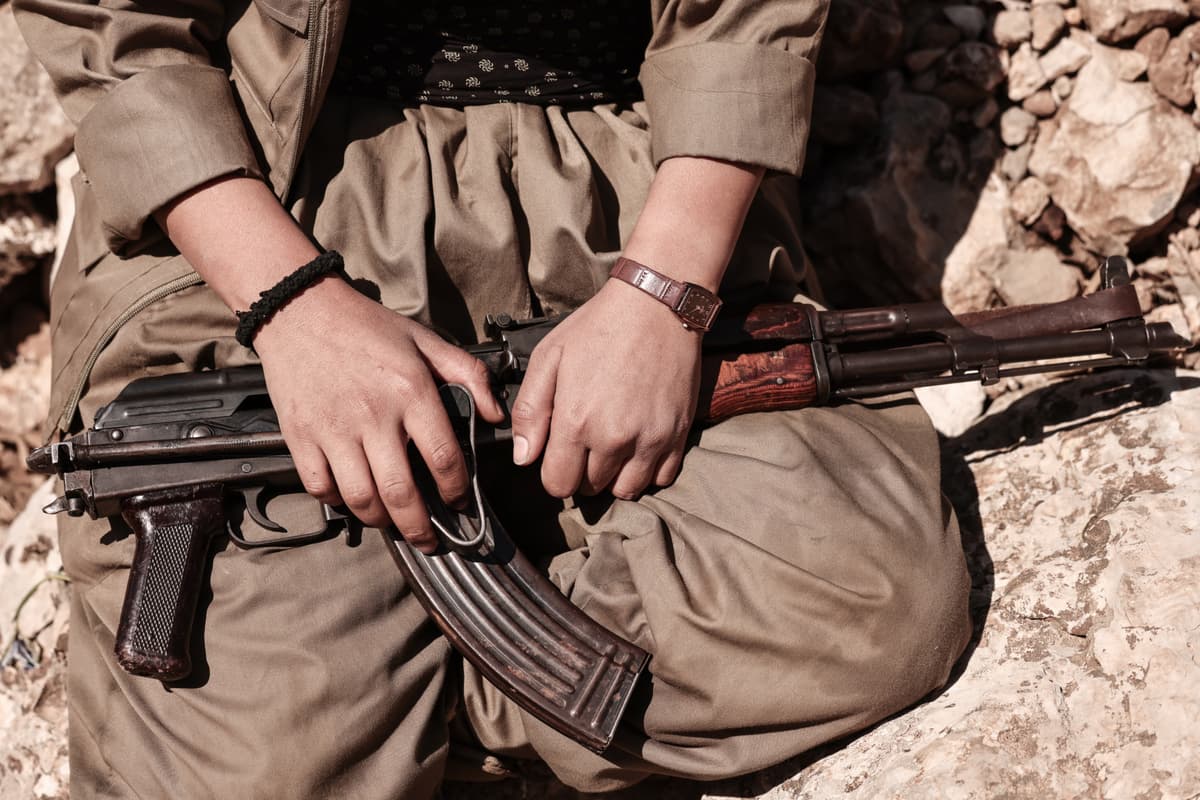
The International Legal Consequences and Imprudence of U.S. Assistance to Kurdish Rebels in Iran
Key Takeaways
- •US reportedly planned to arm tens of thousands of Kurdish fighters
- •Support could breach international non‑intervention law per ICJ precedent
- •Legal liability hinges on “effective control” vs “overall control” standards
- •Past US proxy wars, like Nicaragua, ended in scandal and failure
- •Congress must scrutinize covert funding to avoid unlawful Kurdish aid
Pulse Analysis
The prospect of Washington backing Kurdish insurgents in Iran revives a contentious debate over proxy warfare and legal accountability. While the Trump administration has floated the idea of arming tens of thousands of fighters and providing air cover, the underlying strategy mirrors past U.S. efforts to shape outcomes through non‑state actors. International law, particularly the principle of non‑intervention codified in the Friendly Relations Declaration, treats material support to armed groups as a prohibited form of interference. The International Court of Justice’s Nicaragua judgment set a precedent: supplying weapons, training, and logistics can constitute a clear breach, even absent direct combat involvement.
Legal scholars differentiate between “effective control,” a stringent test requiring explicit command over specific operations, and the looser “overall control” standard that looks at broader coordination and planning. In the Kurdish context, evidence of U.S. intelligence sharing, logistical assistance, and targeted bombings along the Iran‑Iraq border suggests a level of coordination that may satisfy the overall control threshold, though proving effective control remains challenging. This distinction matters because it determines whether the United States can be held internationally responsible for any unlawful acts committed by Kurdish forces, ranging from civilian casualties to violations of humanitarian law.
Beyond legal ramifications, the policy carries strategic risks. Historical analogues, such as the failed Contras campaign in Nicaragua, demonstrate how proxy wars can entangle the U.S. in protracted conflicts, domestic scandals, and reputational damage. As Congress evaluates defense budgets and oversight mechanisms, clear guidelines are essential to prevent covert funding that could trigger international lawsuits or sanctions. A transparent assessment of the legal stakes and operational limits will help policymakers balance short‑term objectives against long‑term diplomatic and legal costs.
The International Legal Consequences and Imprudence of U.S. Assistance to Kurdish Rebels in Iran
Comments
Want to join the conversation?