The Missing Convener: NSC’s Diminished Role and the Future of U.S. Investment Security
Key Takeaways
- •NSC staff cuts have eroded its interagency coordination role.
- •Successful DSP and connected vehicle rules relied on NSC‑led collaboration.
- •KIP, COINS Act, and OICTS risk fragmentation without NSC convener.
- •OIRA cannot replace NSC because it lacks security expertise and early‑stage coordination.
- •Predictability of investment reviews will decline, deterring foreign capital.
Pulse Analysis
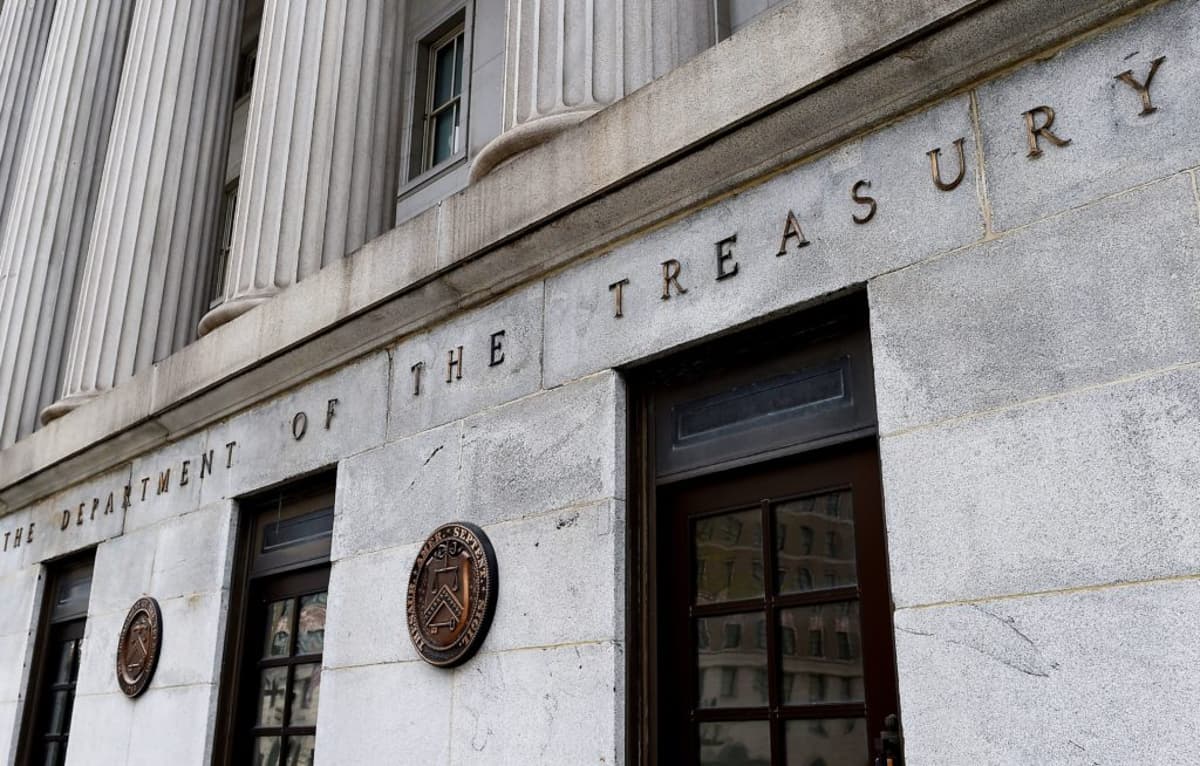
The United States has assembled an unprecedented investment‑security architecture, spanning CFIUS, Treasury’s outbound‑investment program, DOJ’s Data Security Program (DSP) and Commerce’s ICTS authority. Historically, the National Security Council acted as the central convener, aligning intelligence, diplomatic and economic perspectives into a single, coherent policy stream. Recent staffing reductions—about 160 career officials sidelined and the NSC’s top adviser replaced by the Secretary of State—have stripped the council of the expertise and authority needed to sustain that coordination, raising doubts about the system’s integrity.
The value of a functional NSC is evident in the DSP and the connected‑vehicle rulemaking. Both agencies began with comprehensive advance notices, solicited broad stakeholder input, and integrated technical guidance from CISA, classified threat assessments, and inter‑agency expertise—all orchestrated by NSC working groups. The resulting regulations were narrowly tailored, clearly defined, and accompanied by compliance tools that reduced enforcement ambiguity. Those outcomes illustrate how early‑stage, cross‑agency dialogue produces higher‑quality, administrable rules that the regulated community can rely on.
Looking ahead, the Known Investor Program, COINS Act regulations, and the expansion of OICTS into drones and cloud services will each require harmonized standards—such as the “verifiable distance” metric and cross‑list database integration. Absent the NSC’s convening power, each agency is likely to advance its own version, creating overlapping, contradictory regimes. OIRA’s downstream review cannot fill this gap because it lacks access to classified inputs and the mandate to shape security policy. The resulting fragmentation will erode predictability, discourage legitimate foreign investment, and weaken U.S. credibility with allies seeking coordinated screening frameworks.
The Missing Convener: NSC’s Diminished Role and the Future of U.S. Investment Security
Comments
Want to join the conversation?