The Purges Within China’s Military Are Even Deeper Than You Think | CSIS Report
•February 26, 2026
0
Why It Matters
The purge reshapes China’s military hierarchy, tightening party control while potentially slowing PLA modernization, which has direct implications for regional security dynamics.
Key Takeaways
- •Over 100 senior PLA officers purged since 2022
- •36 generals and lieutenant generals removed in latest round
- •80% of purged CMC officials were operational commanders
- •Purges prioritize political loyalty over professional competence
- •Shrinking talent pool may slow PLA modernization
Pulse Analysis
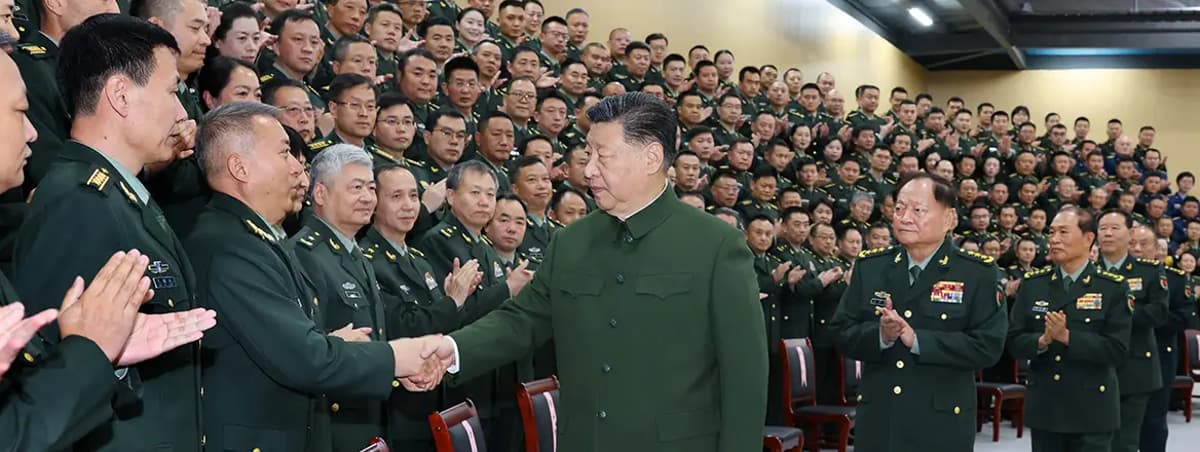
Xi Jinping’s latest campaign against the People’s Liberation Army marks an unprecedented consolidation of political power within China’s armed forces. By targeting more than a hundred senior officers—including 36 high‑ranking generals—since 2022, the purge goes beyond traditional anti‑corruption drives, signaling a strategic effort to embed unwavering loyalty to the Communist Party at the highest echelons. The data released by CSIS shows that the majority of those removed held operational command positions, a pattern that underscores Xi’s intent to eliminate any potential dissent from seasoned military leaders.
The removal of operational commanders has created a stark leadership gap within the Central Military Commission and theater commands. With 80% of purged CMC officials coming from the operational track, the PLA now lacks seasoned war‑fighters to guide its modernization agenda. This talent deficit forces Xi to balance political reliability with professional competence when appointing successors, a process that could delay the development of advanced capabilities such as joint operations, cyber warfare, and high‑tech weapon systems. The narrowed candidate pool may also hinder rapid crisis response, affecting China’s ability to project power in contested regions like the South China Sea and Taiwan Strait.
For policymakers and analysts, the depth of these purges signals a more inward‑focused Chinese military strategy, where regime security outweighs external operational readiness. Western defense establishments must account for a potentially slower but more politically aligned PLA, which could alter risk calculations in the Indo‑Pacific. Monitoring the composition of the new leadership and its impact on force modernization will be crucial for anticipating China’s future military posture and for shaping appropriate diplomatic and deterrence measures.
The Purges Within China’s Military Are Even Deeper Than You Think | CSIS Report
0
Comments
Want to join the conversation?
Loading comments...