The War Is Not Over
Key Takeaways
- •Trump declared Strait of Hormuz open, Iran disputed claim
- •Trump publicly attacked Pope Leo, framing himself as divine authority
- •Pope reaffirmed Catholic just war doctrine, condemning total war rhetoric
- •Vatican II debates on nuclear conflict shaped modern church stance
- •Moral leaders urge continued faith‑based resistance to political authoritarianism
Pulse Analysis
The Strait of Hormuz remains a flashpoint in global energy logistics, and Trump’s premature declaration that it was open sparked a swift rebuttal from Tehran. Iranian forces continued to fire on commercial vessels, underscoring that the waterway’s status is dictated by on‑the‑ground realities, not presidential tweets. This episode illustrates how unilateral statements can destabilize delicate maritime negotiations and heighten the risk of miscalculation between two nuclear‑armed powers, raising concerns for investors and policymakers alike.
Beyond the geopolitical arena, Trump’s verbal assault on Pope Leo signals a deeper trend of religious nationalism. By casting himself as a quasi‑divine authority and labeling the pontiff “weak,” the president challenges the Catholic Church’s centuries‑old just‑war doctrine, which categorically rejects indiscriminate violence and nuclear annihilation. The Vatican’s response, rooted in Vatican II debates on total war, reasserts a moral framework that separates spiritual leadership from partisan power plays. This clash of narratives pits a populist leader’s self‑styled messianic image against a globally respected moral institution, reshaping the discourse on faith and governance.
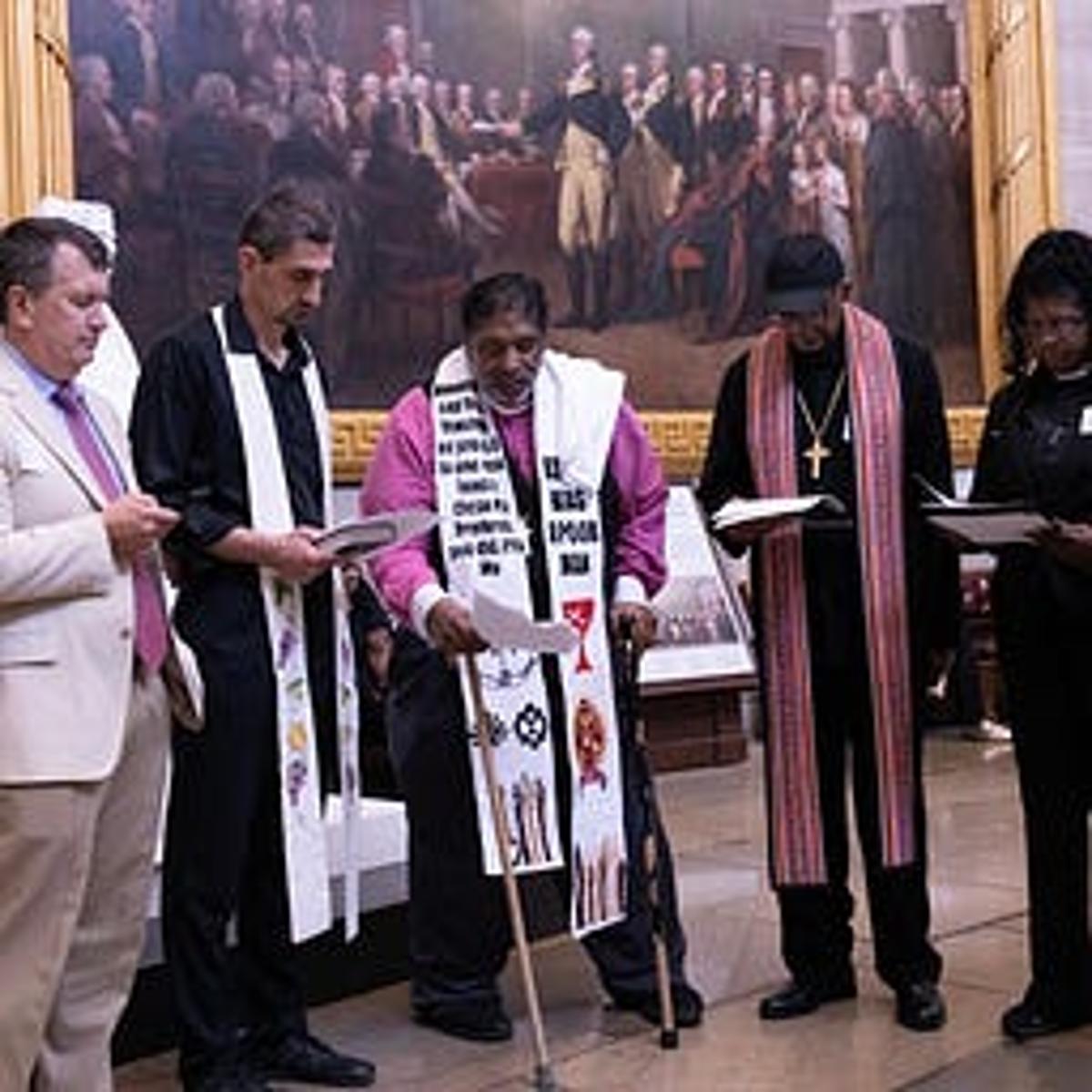
The broader implication is a renewed call for moral witness in the public square. Faith leaders, recalling the historic fast of Dorothy Day during Vatican II, emphasize that consistent, non‑violent advocacy can influence policy even when it does not dominate headlines. As Moral Mondays and similar movements gain traction, they provide a platform for citizens to counteract authoritarian impulses with theological and ethical reasoning. In an era where political rhetoric often masquerades as divine mandate, the Pope’s unequivocal condemnation serves as a reminder that enduring moral authority can still shape public opinion and, ultimately, legislative outcomes.
The War Is Not Over
Comments
Want to join the conversation?