Key Takeaways
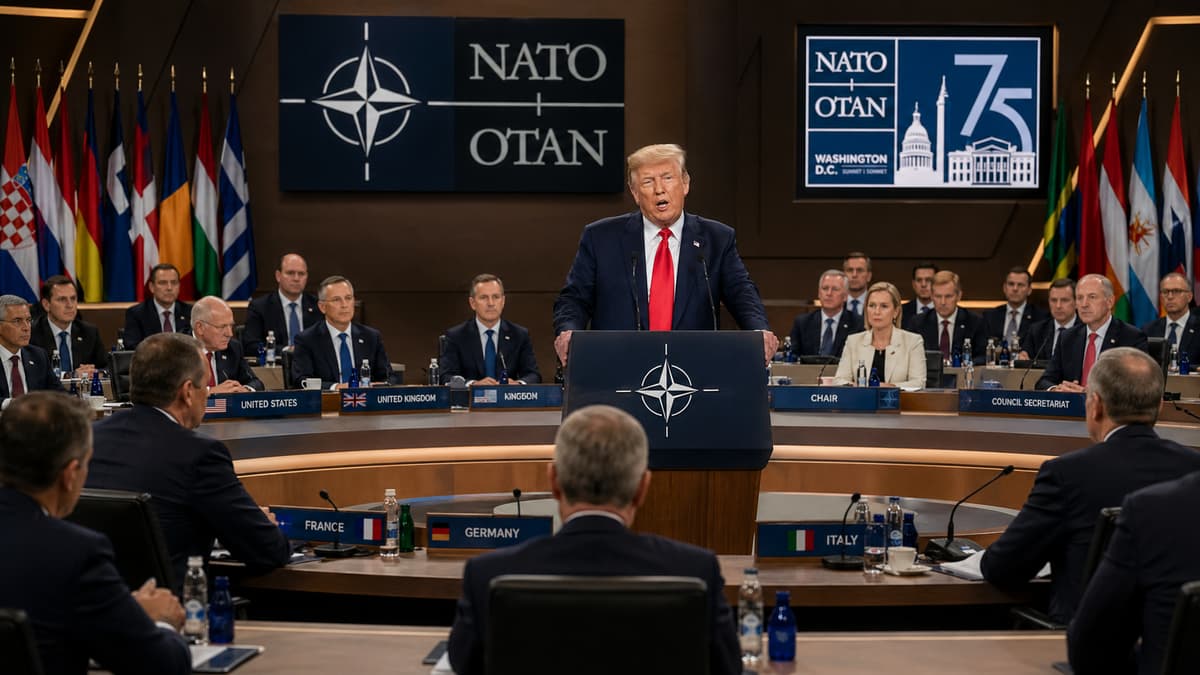
- •Trump threatens NATO withdrawal amid Iran conflict
- •European publics oppose U.S. war, eroding alliance cohesion
- •Russia leverages U.S. focus on Iran to aid Ukraine front
- •U.S. nuclear deterrent remains critical for NATO’s security
Pulse Analysis
The latest flare‑up in President Trump’s anti‑NATO rhetoric comes at a volatile moment for the alliance. By publicly labeling NATO a "paper tiger" and hinting at a possible U.S. exit, Trump undermines decades of collective defense trust built since 1949. European leaders, already wary of the United States’ unilateral decision to launch Operation Epic Fury against Iran, now face domestic pressure as public opinion in France, Germany and the UK overwhelmingly rejects the war. This erosion of confidence could compel NATO members to seek alternative security arrangements or accelerate defense spending, reshaping the alliance’s strategic calculus.
Beyond the immediate diplomatic fallout, the United States’ preoccupation with Iran has ripple effects across other flashpoints, notably Ukraine. Russia has capitalized on the diversion of U.S. military assets, providing targeting data to Iran and reinforcing its own war effort in the Donbas. Higher global oil and gas prices, spurred by disruptions in the Strait of Hormuz, further buoy the Russian economy while straining European economies already coping with energy insecurity. The confluence of these factors risks a strategic imbalance: a weakened NATO may struggle to deter Russian aggression, while Ukraine’s allies grapple with reduced logistical and air‑defense support.
Nevertheless, the long‑term security architecture still hinges on the United States’ unique nuclear and conventional capabilities. Even a rhetorically hostile Trump administration cannot fully disengage without jeopardizing American strategic interests, including the protection of global trade routes and the containment of the CRINK coalition (China, Russia, Iran, North Korea). Analysts predict that once the Iran operation winds down, Trump may temper his NATO criticism to preserve the essential deterrent posture. For policymakers, the key takeaway is clear: maintaining a robust, credible U.S. commitment to NATO remains indispensable for European stability and for preventing further Russian or Iranian opportunism.
Trumping NATO
Comments
Want to join the conversation?