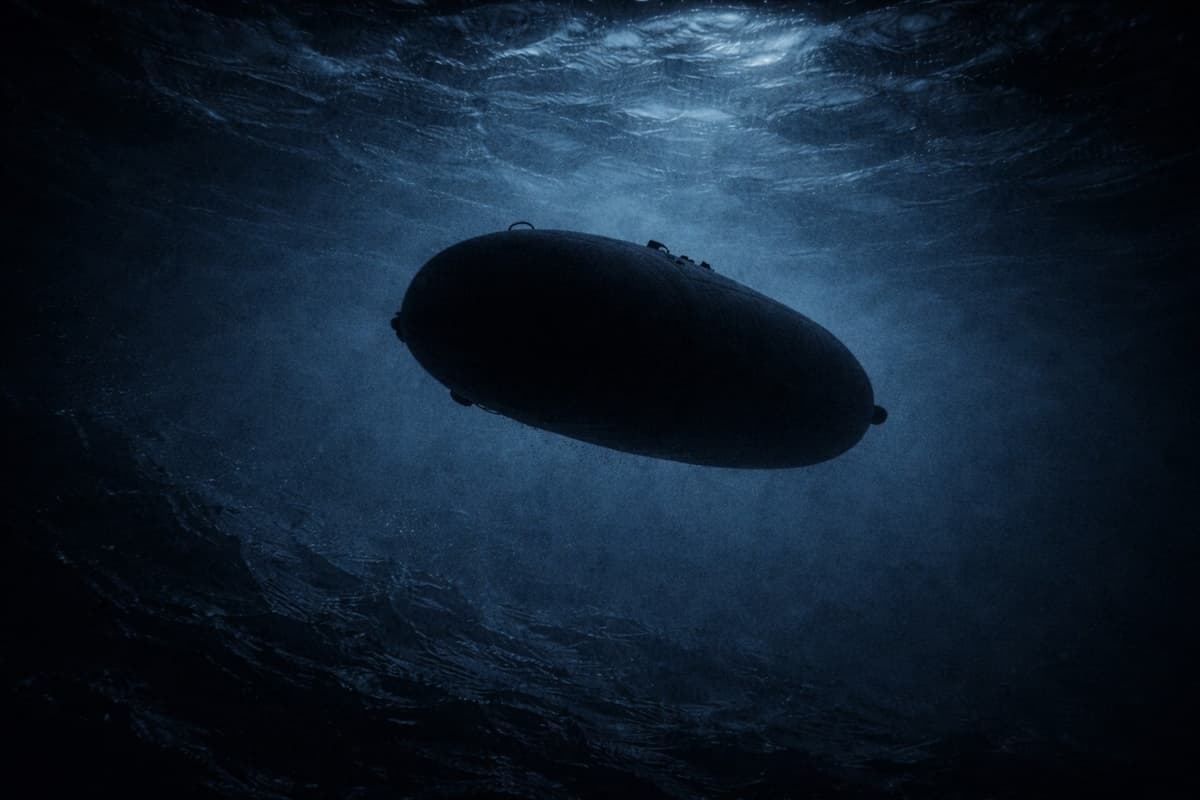
Undersea Data, Not Platforms, Now Limiting NATO Capability
Key Takeaways
- •Single UUV mission now generates more data than legacy systems can process
- •Classification and national rules fragment undersea data, hindering alliance cooperation
- •Commercial operators guard seabed data, limiting shared situational awareness
- •NATO faces delays as data sharing protocols lag behind platform growth
- •Some navies adopt commercial-grade encryption to accelerate data handling
Pulse Analysis
The rapid proliferation of unmanned underwater vehicles (UUVs) is reshaping NATO’s maritime strategy, but the data deluge they create is outpacing existing processing pipelines. Modern UUVs capture high‑resolution sonar, video, and environmental metrics, producing terabytes per sortie—far beyond the capacity of legacy command‑and‑control networks designed for sporadic, low‑bandwidth feeds. This mismatch forces analysts to prioritize raw collection over actionable insight, eroding the operational value of each additional platform.
Compounding the technical challenge is a complex web of classification and ownership rules. National security statutes often label undersea sensor data as top‑secret, while commercial entities that monitor subsea infrastructure treat the same information as proprietary. The resulting silos impede real‑time sharing among NATO members, creating latency that can be critical in anti‑submarine warfare. Rear Admiral Paul Flos highlighted that over‑classification can cripple cooperation, a sentiment echoed across the alliance as partners scramble to reconcile divergent data‑handling policies.
To keep pace, NATO is experimenting with commercial‑grade solutions that trade military‑level cryptography for speed and interoperability. Deploying off‑the‑shelf cloud storage, AI‑driven analytics, and standardized data formats can streamline ingestion and dissemination, but it also raises concerns about cybersecurity and data sovereignty. Long‑term, the alliance will need a unified data architecture—potentially a NATO‑wide undersea data lake—paired with revised classification guidelines to unlock the full potential of autonomous undersea systems. Until such frameworks are in place, adding more UUVs will yield diminishing returns on capability.
Undersea data, not platforms, now limiting NATO capability
Comments
Want to join the conversation?