U.S. and Iran Exchange Strikes Following Apache Shootdown
Key Takeaways
- •Apache downed near Strait of Hormuz; crew rescued by US Navy USV
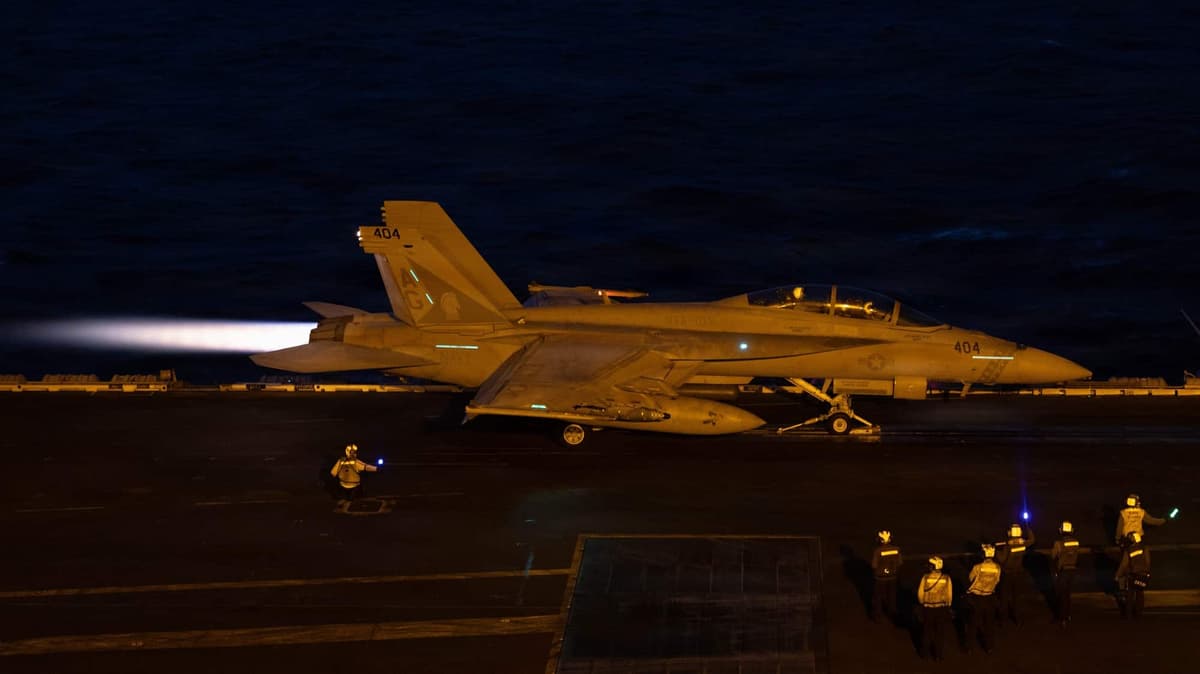
- •U.S. launched ~20 precision strikes on Iranian air defenses on June 9
- •Iran retaliated with missiles and drones targeting bases in Jordan, Bahrain, Kuwait
- •No casualties reported; most Iranian projectiles intercepted by regional defenses
Pulse Analysis
The Strait of Hormuz remains one of the world’s most contested maritime chokepoints, funneling roughly 20% of global oil shipments. U.S. Army Apache helicopters have been a staple of Operation Epic Fury, providing armed overwatch for commercial vessels and deterring hostile actions. The loss of the Apache marks the first such incident since the Iraq War, underscoring the heightened risk to legacy platforms operating in densely contested airspace where Iranian Shahed drones and surface‑to‑air threats coexist.
Washington framed its June 9 response as a proportional, self‑defense strike, targeting roughly 20 Iranian radar, command and control sites with precision munitions from Air Force and Navy assets. By striking air‑defense infrastructure, the U.S. aimed to degrade Iran’s ability to track and engage aircraft over the Hormuz corridor, sending a clear deterrent signal to Tehran and reassuring regional allies. However, the kinetic action also raised the specter of rapid escalation, as Iran’s IRGC quickly launched ballistic missiles and drones at U.S. bases in Jordan, Bahrain and Kuwait, testing the limits of regional missile‑defense networks.
Beyond the immediate military calculus, the exchange reverberates through global energy markets and diplomatic channels. Any prolonged disruption to Hormuz traffic can trigger spikes in crude prices, pressuring economies already grappling with inflation. Simultaneously, the incident complicates ongoing back‑channel talks aimed at a broader cease‑fire, as Tehran cites U.S. “violations” while Washington insists on defending freedom of navigation. Analysts warn that without a calibrated de‑escalation pathway, the region could slide toward a wider conflict, forcing multinational coalitions to reassess force postures and contingency plans for protecting critical maritime trade routes.
U.S. and Iran Exchange Strikes Following Apache Shootdown
Comments
Want to join the conversation?