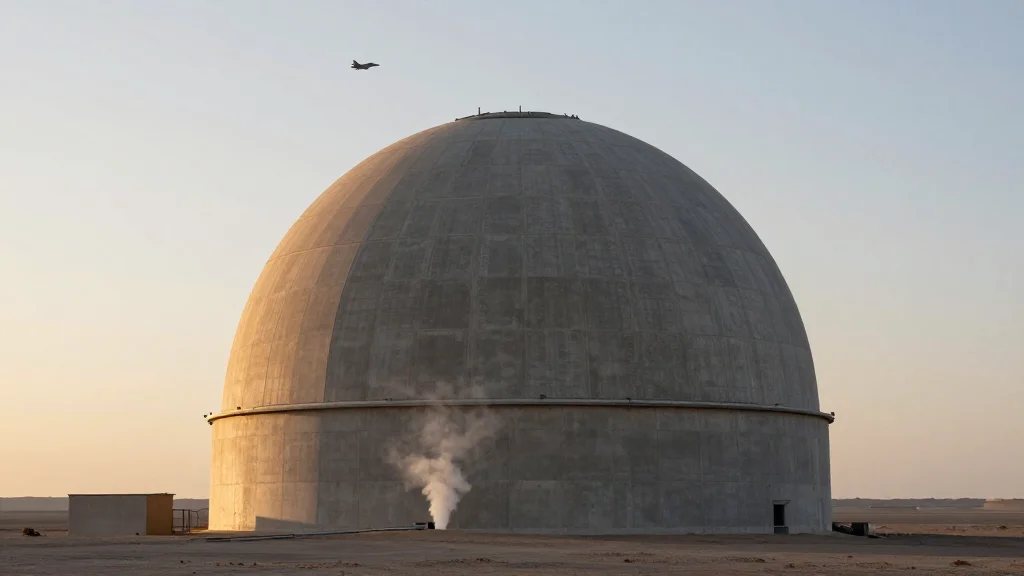
US Intelligence Only Sees Limited Additional Damage To Iran Nuclear Program Since Last June
Key Takeaways
- •US intel says Iran's weapon timeline unchanged since last summer
- •20,000+ munitions expended in 38‑day air campaign produced limited impact
- •Further progress may require destroying Iran's remaining HEU stockpile
- •Ground operation risks quagmire, blood loss, and costly escalation
- •Israel plans additional strikes on Iranian energy and senior officials
Pulse Analysis
The recent Reuters‑cited assessment underscores a stark reality: the massive 38‑day aerial offensive, dubbed Operation Epic Fury, has not materially altered Tehran’s path to a nuclear weapon. U.S. analysts confirm that the projected timeline—pushed back by up to a year after the June "Midnight Hammer" strikes—remains static. This continuity reflects the resilience of Iran’s enrichment infrastructure and the limited reach of air power against deeply buried centrifuge facilities and stockpiles of highly enriched uranium (HEU). The intelligence community’s view challenges the narrative of a decisive "obliteration" of the program and highlights the difficulty of achieving non‑proliferation goals through kinetic means alone.
Strategically, the unchanged timeline points to a critical gap in the U.S.-Israel campaign: without physically removing or destroying Iran’s remaining HEU, further delays are unlikely. Ground operations, while potentially decisive, carry high political and operational costs, including the risk of a protracted quagmire, civilian casualties, and regional escalation. Policymakers must weigh these risks against the strategic imperative of preventing nuclear breakout. Alternative avenues—such as intensified diplomatic pressure, targeted sanctions on enrichment technology, or covert sabotage—may offer lower‑cost pathways, but each comes with its own set of uncertainties and enforcement challenges.
Looking ahead, the prospect of additional Israeli strikes on Iran’s energy grid and senior officials signals a possible shift toward pressure tactics aimed at forcing concessions on nuclear material handling. However, Tehran’s firm stance that its enriched uranium is "sacred" suggests limited willingness to negotiate on stockpile removal. The broader market implications include heightened geopolitical risk premiums for oil and defense sectors, as well as potential disruptions to global supply chains if conflict expands. Stakeholders should monitor intelligence updates, diplomatic overtures, and any escalation signals closely, as they will shape both regional stability and the strategic calculus of non‑proliferation efforts.
US Intelligence Only Sees Limited Additional Damage To Iran Nuclear Program Since Last June
Comments
Want to join the conversation?