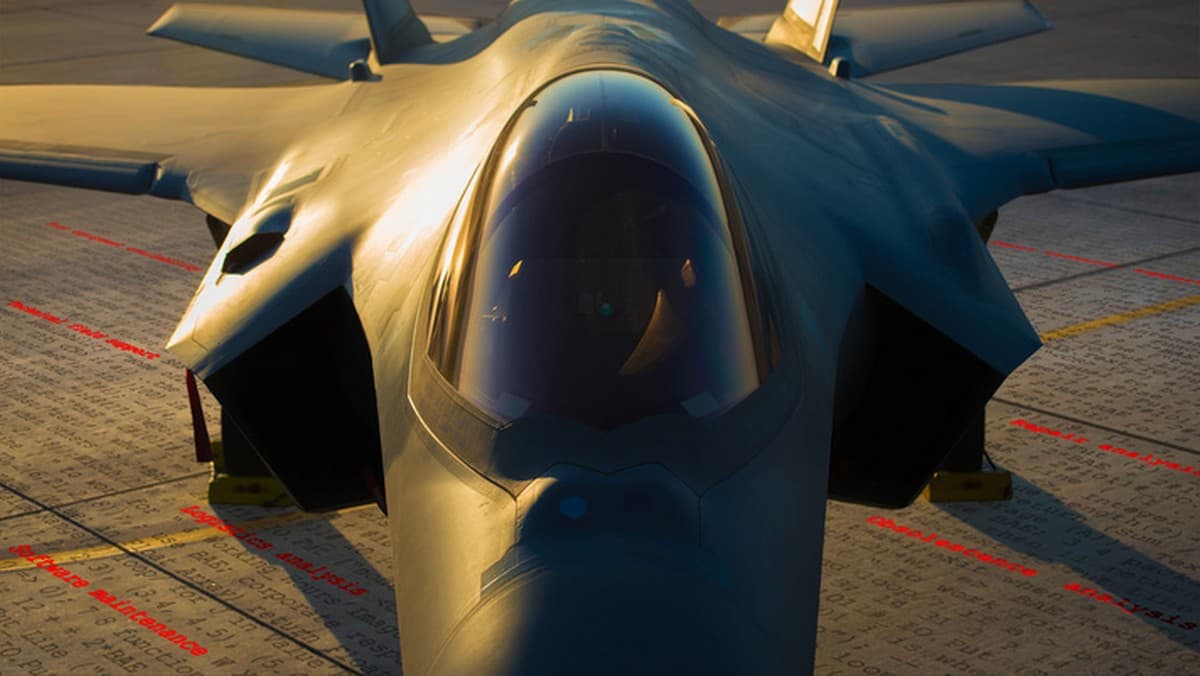
U.S. Marines Test New F-35 Ground Comms Tactics at WTI
Key Takeaways
- •DI kit streams Link 16 data to ground tablets
- •Real‑time aircraft status cuts turnaround time
- •Direct ICS cable lets maintainers talk to pilots in‑cockpit
- •Shared radio frequency unifies maintenance communications
Pulse Analysis
The Marine Corps has long grappled with integrating the fifth‑generation F‑35 Lightning II into its fast‑paced expeditionary environment. Traditional ground communication relied on fragmented radio nets and manual data entry, creating latency between airborne assets and the flight line. The Digital Interoperability (DI) kit consolidates multiple data streams—Link 16, avionics telemetry, and ordnance status—onto a single tablet interface, mirroring the data pilots see in the cockpit. This convergence not only reduces the cognitive load on ground crews but also aligns the Marine aviation ecosystem with joint‑force standards for network‑centric warfare.
During the recent Weapons and Tactics Instructors (WTI) exercise at MCAS Yuma, VMFA‑251 pilots and maintainers put the DI kit through realistic sortie cycles. Real‑time visibility of fuel levels, weapon expenditure, and aircraft health allowed ground crews to pre‑position the exact ordnance and support equipment needed before the jet touched down. The direct Internal Communication System (ICS) cable further eliminated the traditional wait for pilots to exit the cockpit, enabling immediate troubleshooting and rapid re‑arming. Coupled with a shared handheld‑radio frequency that broadcasts pilot updates to avionics, ordnance, and airframe sections simultaneously, the new workflow cuts turnaround by an estimated 15‑20 percent, according to squadron officials.
The implications extend beyond a single squadron. Faster F‑35 turnaround translates into higher sortie rates, a critical factor in contested environments where air superiority hinges on sustained presence. Moreover, the interoperable data architecture paves the way for joint operations with Navy and allied forces that already employ Link 16 and similar tactical data links. As the Marine Corps continues to modernize its aviation command and control, the successful test of these ground communication tactics signals a shift toward fully networked, data‑driven maintenance—a capability that will likely become a doctrinal baseline for future expeditionary air operations.
U.S. Marines test new F-35 ground comms tactics at WTI
Comments
Want to join the conversation?