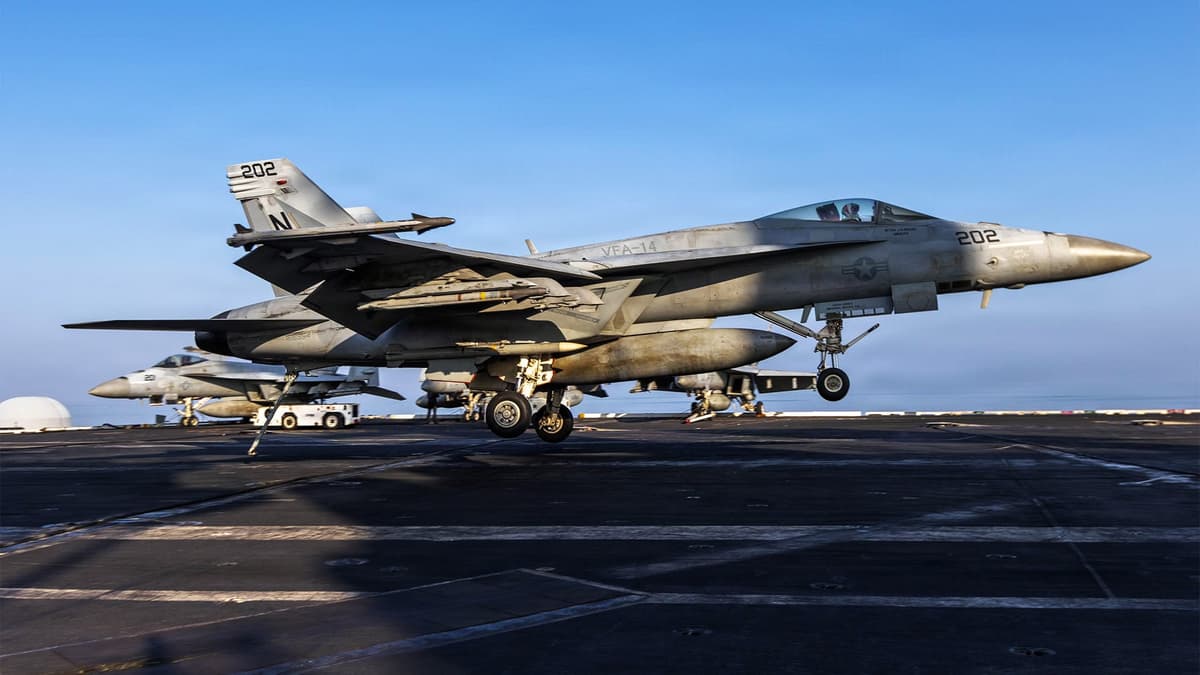
U.S. Navy F/A-18 Super Hornet Disables Iranian-Flagged Tanker
Key Takeaways
- •F/A‑18 Super Hornet disabled M/T Hasna’s rudder with Vulcan cannon
- •First known use of aircraft kinetic fire in U.S. Iran blockade
- •52 commercial vessels redirected since blockade began on April 13, 2026
- •Trump’s ‘Project Freedom’ aims to shield ships through Strait of Hormuz
- •U.S. helicopters have already sunk six Iranian boats in same operation
Pulse Analysis
The United States has maintained a naval blockade of Iranian shipping since mid‑April 2026, a move designed to curtail oil exports that could fund Tehran’s regional activities. CENTCOM’s public statements emphasize that the operation targets vessels attempting to breach the Gulf of Oman corridor, a critical chokepoint for global energy flows. By deploying carrier strike groups, including the USS Abraham Lincoln and USS George H.W. Bush, the U.S. signals its commitment to a sustained maritime presence that deters both state and non‑state actors from exploiting the waterway.
The May 6 engagement represents a tactical shift: an F/A‑18 Super Hornet used its 20‑mm M61 Vulcan cannon to strike the rudder of the 333‑metre tanker M/T Hasna after six hours of shadowing and repeated warnings. This kinetic action, the first of its kind in the current blockade, underscores a willingness to apply direct force when diplomatic pressure fails. Analysts note that the decision likely stemmed from a risk assessment that the unladen vessel was poised to load oil in Iran, making it a strategic target without endangering crew lives. The precedent raises questions about the legal thresholds for using aircraft‑borne weapons against civilian ships under international law.
Regionally, the incident heightens tensions in an already volatile maritime theater. Commercial shippers now face heightened uncertainty, as 52 vessels have already been ordered to turn back, and U.S. officials tout “Project Freedom,” a Trump‑initiated initiative to protect trans‑it ships through the Strait of Hormuz. The use of kinetic force may prompt Iran to retaliate with asymmetric tactics, potentially increasing the risk of naval skirmishes. Stakeholders in global energy markets are closely watching how the U.S. balances deterrence with escalation control, as any further hardening of enforcement could ripple through oil prices and supply chain logistics.
U.S. Navy F/A-18 Super Hornet Disables Iranian-Flagged Tanker
Comments
Want to join the conversation?