Weaponizing Supply Chains: How Iran and China Drive Strategic Food Insecurity in Modern Conflict
Key Takeaways
- •Hormuz closure cut one‑third of seaborne fertilizer flow
- •China halted up to 75% of its urea exports in March
- •Urea price jumped 30% in weeks, reaching $672 per ton
- •Global fertilizer shortage could slash yields by 40‑50% without nitrogen
- •No strategic fertilizer reserves exist in G7, unlike oil
Pulse Analysis
The convergence of Iran’s maritime coercion and China’s export licensing regime has turned the global fertilizer market into a battlefield. By mining the Strait of Hormuz and restricting insurance coverage, Tehran makes Gulf‑sourced ammonia, urea and sulfur effectively uninsurable, while Beijing’s abrupt bans on nitrogen‑potassium blends remove a critical supply pillar. This two‑gate architecture mirrors classic oil‑supply weaponization but lacks any strategic reserve, leaving commercial shippers and underwriters as the only line of defense.
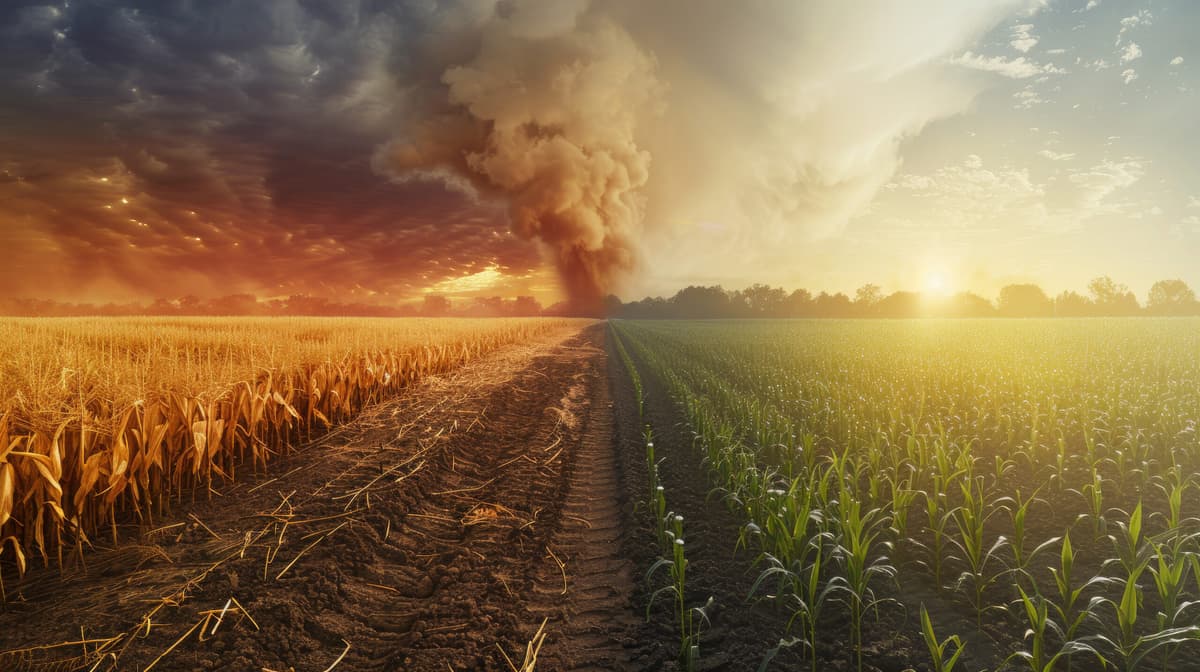
Price data illustrate the immediacy of the shock: urea at New Orleans rose from $516 to $672 per metric ton within three weeks, a 30% surge that translates to an input cost equivalent to 126 bushels of corn per ton—up from 75 bushels months earlier. For American and global farmers, the spike forces a rapid reduction in fertilizer application, compressing yields by up to half during the 2026 planting window. The timing is critical; missed applications in March cannot be shifted later, guaranteeing lower harvests and feeding a cascade of higher food prices that will reverberate through import‑dependent economies in South Asia, the Middle East and the Sahel.
Policymakers now face a stark choice: build a strategic fertilizer reserve and diversify production or concede to a new dependency on swing suppliers like Russia and Belarus. A 45‑ to 60‑day stockpile, funded through a G7 burden‑sharing model, would buffer the most vulnerable planting season. Simultaneously, expanding domestic nitrogen capacity in the United States and encouraging allied investments in alternative hubs can break the Gulf‑China duopoly. Integrating agricultural input logistics into military planning—recognizing that insurance, not naval clearance, dictates cargo movement—will ensure that future supply shocks are managed as security challenges rather than market anomalies.
Weaponizing Supply Chains: How Iran and China Drive Strategic Food Insecurity in Modern Conflict
Comments
Want to join the conversation?