What a Destabilized Iran Means for Regional Security Interests
Key Takeaways
- •Khamenei's death fuels nationalist martyrdom.
- •Border insurgencies may expand into Pakistan, Afghanistan.
- •Drug and human trafficking routes risk surge.
- •IS and jihadists could exploit power vacuum.
- •Gulf allies question US security guarantees.
Pulse Analysis
The death of Ayatollah Khamenei has reshaped Iran’s internal narrative, converting a once‑controversial figure into a symbol of resistance against Western aggression. Massive public mourning underscores a surge in nationalist sentiment that could bolster hard‑line factions and the Islamic Revolutionary Guard Corps, making any external attempt to install a pro‑American regime politically untenable. This dynamic mirrors past U.S. interventions where local legitimacy eroded quickly, suggesting that further military pressure may deepen Tehran’s resolve rather than weaken it.
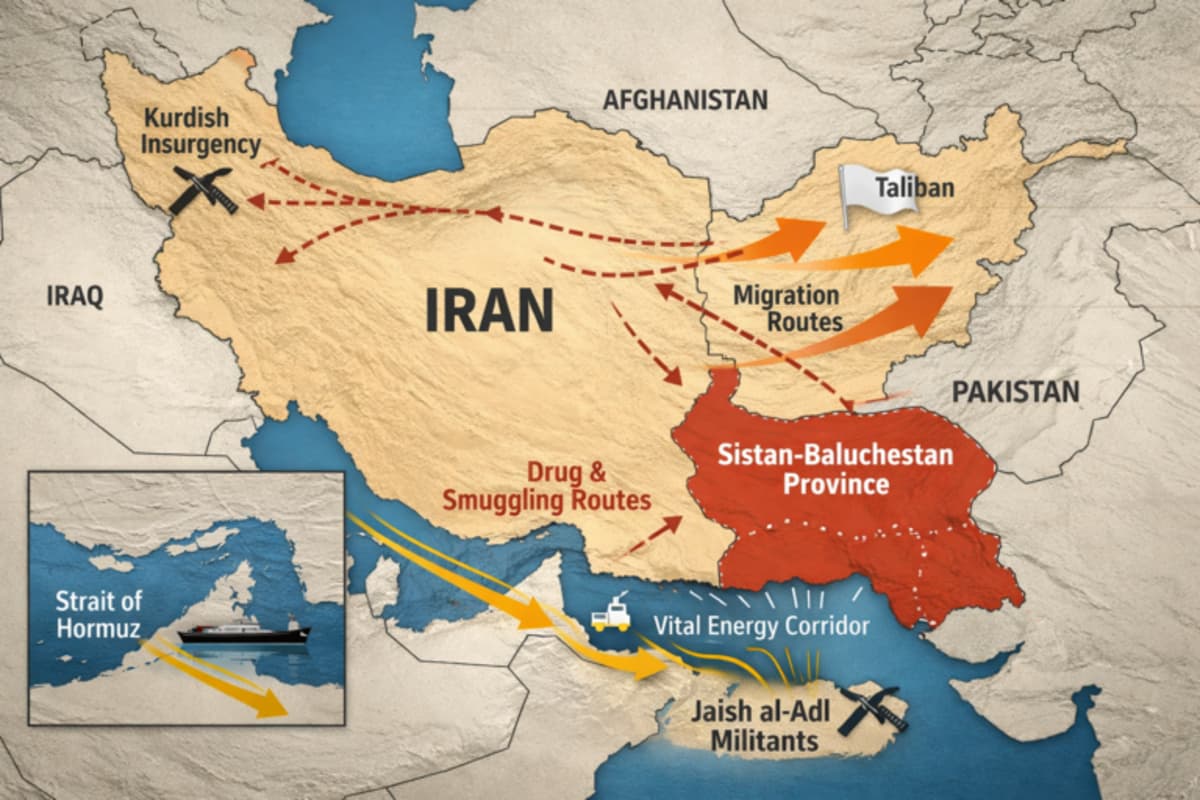
Iran’s southeastern frontier, especially Sistan‑Baluchestan, already hosts a volatile mix of Baloch insurgents, drug traffickers and migrant flows. The region’s porous 565‑mile border with Pakistan facilitates the movement of over 250 tons of narcotics seized in 2025 and the transit of hundreds of thousands of Afghan refugees. Should Iranian border control crumble, Europe could see a sharp uptick in heroin shipments and irregular migration, straining both law‑enforcement resources and humanitarian capacities across the Balkans and Turkey.
Beyond criminal networks, a power vacuum in Tehran could reignite jihadist activity. Groups like Islamic State have historically targeted Iran and would likely exploit weakened security structures to establish new footholds, echoing the post‑invasion insurgencies in Iraq and Libya. For the United States, this scenario forces a strategic calculus: while degrading Iran’s regime may appear advantageous, the collateral fallout—escalated sectarian tensions, amplified trafficking, and eroded confidence among Gulf allies—could outweigh short‑term gains. Policymakers must weigh calibrated diplomatic engagement against the risks of broader regional destabilization.
What a Destabilized Iran Means for Regional Security Interests
Comments
Want to join the conversation?