Key Takeaways
- •2002 Millennium Challenge war game sank 16 US warships in minutes
- •Pentagon rewrote results, re‑floating ships to keep exercise “successful”
- •2026 Iran‑US conflict mirrored the 2002 simulation’s asymmetric tactics
- •IRGC’s decentralized “mosaic” command let it operate despite leadership losses
- •US has fired over 850 Tomahawk missiles, costing $1‑2 billion daily
Pulse Analysis
The 2002 Millennium Challenge exercise was intended to test U.S. dominance in a hypothetical Gulf war, yet Van Riper’s Red Force used low‑tech cruise missiles, speed‑boat swarms and radio‑silent coordination to overwhelm the Blue Force’s high‑tech Aegis system. The Pentagon’s decision to rewrite the after‑action report—re‑floating sunken vessels and attributing the Red Team’s success to a "renegade element"—effectively erased a stark warning about the limits of conventional superiority. This institutional inertia set a precedent that reverberated when real hostilities erupted in 2026, as policymakers again assumed that degrading Iran’s command nodes would render its forces legible.
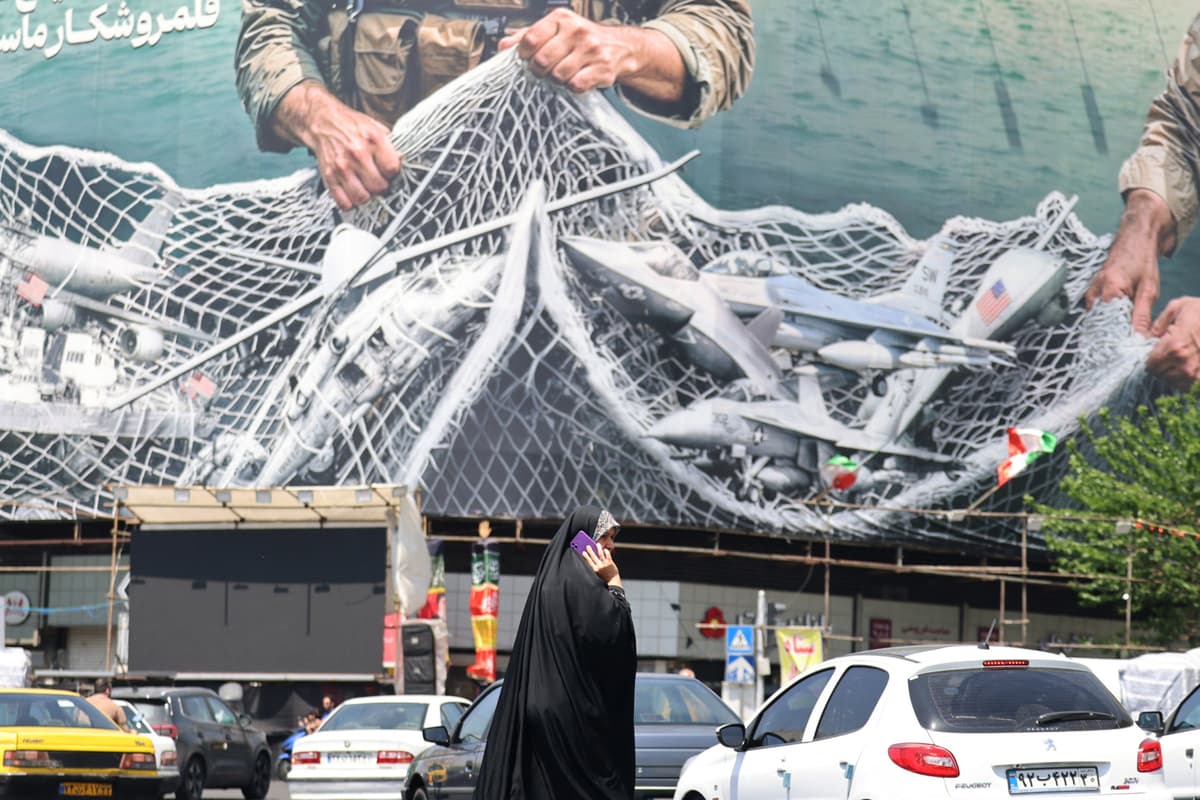
When Operation Epic Fury began, Iran’s Islamic Revolutionary Guard Corps deployed a decentralized “mosaic” doctrine that Van Riper had modeled decades earlier. Each provincial command possessed pre‑delegated launch authority, allowing swift, autonomous swarm attacks using fast‑attack craft and Shahed drones while evading electronic interception. The United States, relying on massive Tomahawk strikes—over 850 missiles, the largest single‑campaign use in history—failed to neutralize this dispersed network, instead incurring a daily financial burden of $1‑2 billion and mounting civilian casualties. The conflict’s progression, including the closure of the Strait of Hormuz and the involvement of proxy forces like the Houthis, illustrates how asymmetric tactics can blunt even overwhelming firepower.
The broader lesson for U.S. defense strategy is clear: war‑gaming insights must be integrated into doctrine rather than dismissed. Ignoring the 2002 findings led to a repeat of the same strategic miscalculations, with the United States unable to force a decisive political settlement and facing a protracted, costly stalemate. Future planning must prioritize adaptive, decentralized threat modeling, invest in counter‑swarm technologies, and develop diplomatic frameworks that recognize an adversary’s willingness to survive and exhaust a superior power. Only by internalizing these lessons can policymakers avoid repeating a costly simulation turned reality.
What A War Game Already Told Us About Iran
Comments
Want to join the conversation?