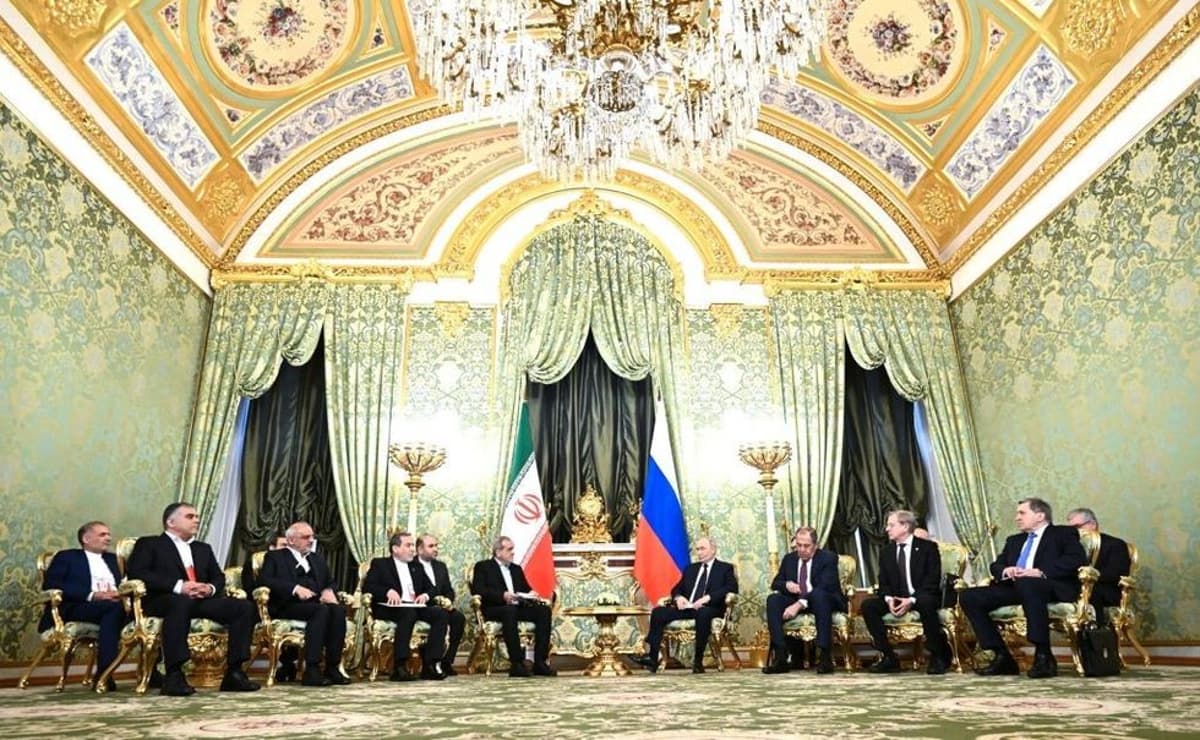
What Iran Is Learning From Russia’s War and Why the U.S. Should Be Concerned
Key Takeaways
- •Iran receives battlefield data from Russia’s use of Shahed‑derived drones
- •Russian war spurs rapid drone and electronic‑warfare advances shared with Tehran
- •Prolonged conflict shows authoritarian regimes can survive sanctions and grow stronger
- •Russia’s security services expanded, offering a model for Iran’s internal repression
Pulse Analysis
The Ukraine conflict has become a live laboratory for authoritarian militaries, and Tehran is watching closely. Russian forces have turned early‑stage Iranian Shahed drones into the more capable GERLAN series, adding range and precision guidance. Parallel advances in electronic warfare and decentralized command structures are being catalogued by Iranian engineers, accelerating the development of home‑grown loitering munitions such as the IRSA‑7. This cross‑pollination means that Iran’s unmanned arsenal, already used against U.S. and allied assets in the region, will likely become harder to detect and counter in the near term.
Beyond technology, the war demonstrates how a sanctioned autocracy can rewire its economy and sustain itself under pressure. Moscow has pivoted toward China, expanded domestic agricultural output, and kept energy revenues flowing despite Western bans. Iran, accustomed to decades of sanctions, can replicate this model, using informal trade networks and state‑controlled sectors to weather external shocks. The implication for Washington is stark: economic levers that once seemed decisive may no longer compel policy change, forcing a reassessment of deterrence strategies that rely on financial pressure.
Perhaps the most consequential lesson is the empowerment of the security apparatus. Russia’s war has fortified the FSB and tightened surveillance, media control, and repression, creating a security‑driven state that tolerates little dissent. Iran’s Revolutionary Guard and intelligence services stand to emulate this trajectory, justifying expanded powers under the banner of national survival. For U.S. policymakers, the convergence of advanced weaponry, economic resilience, and a hardened security state in Tehran signals a more formidable and less pliable adversary, demanding nuanced diplomatic and military responses.
What Iran Is Learning from Russia’s War and Why the U.S. Should Be Concerned
Comments
Want to join the conversation?