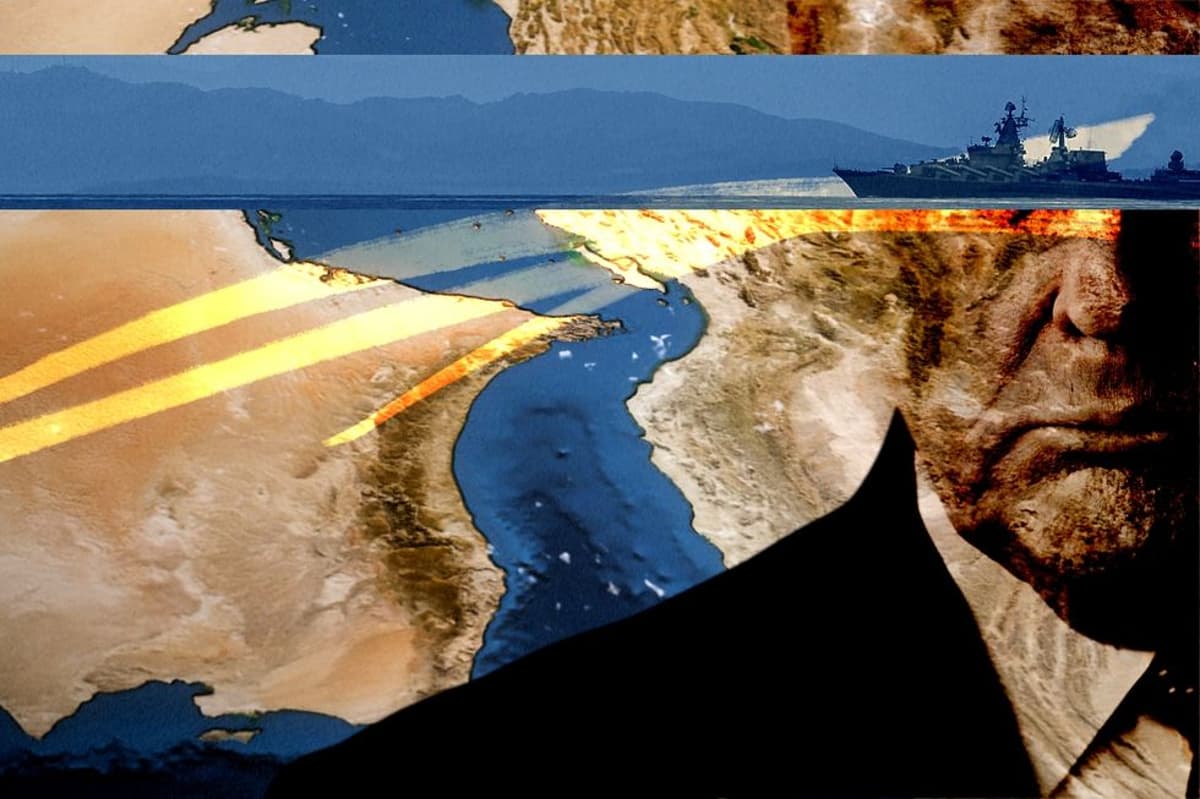
What the U.S. Naval Blockade Reveals About the Iran War’s Next Phase
Key Takeaways
- •U.S. CENTCOM announced blockade of all ships entering or leaving Iranian ports
- •Blockade aims to pressure Iran while avoiding full-scale kinetic war
- •Historical “pacific blockade” model used as precedent for limited naval pressure
- •Implementation requires extensive carrier screens across Arabian Sea, raising logistical costs
- •Asian nations may face higher transit fees, straining energy supply chains
Pulse Analysis
The United States’ decision to impose a naval blockade on Iran marks a strategic shift from overt military engagement to a coercive economic tool. By invoking the concept of a "pacific blockade," Washington seeks to leverage its maritime superiority to choke Iranian trade without triggering the legal and political ramifications of a formal declaration of war. International law permits blockades only when they are declared and enforced impartially, a nuance that the Trump administration appears to sidestep by targeting ships that pay fees to the Revolutionary Guard Corps. This gray area raises questions about the legitimacy of the operation and its potential to set precedents for future conflicts.
Historical analogues provide a useful lens for interpreting the current maneuver. In the 19th century, European powers employed "pacific blockades" against weaker states—such as Greece during its independence war—to extract concessions while avoiding full‑blown hostilities. The U.S. has previously executed similar strategies, notably the Gulf‑wide blockade of Iraq in the 1990s, which relied on a relatively narrow maritime corridor. Iran’s extensive coastline and its capacity for asymmetric retaliation—through missiles, drones, and proxy forces in the Red Sea—complicate replication of that model, demanding a broader, multi‑layered naval screen that strains resources and heightens the risk of accidental escalation.
The economic fallout could be profound, especially for Asian energy‑importing nations that have already negotiated costly transit arrangements with Tehran. Higher fees and the threat of interdiction may force countries like China, India, and Pakistan to seek alternative supply routes, potentially accelerating investments in overland pipelines or renewable energy. Moreover, the blockade could disrupt global oil and LNG markets, nudging prices upward and prompting a reassessment of risk premiums for shipping through the Hormuz corridor. As diplomatic negotiations remain stalled, the durability of the blockade will hinge on the United States’ ability to sustain a costly naval presence without provoking a broader regional conflict.
What the U.S. Naval Blockade Reveals About the Iran War’s Next Phase
Comments
Want to join the conversation?