Key Takeaways
- •JD Vance led US delegation to meet Iranian convoy in Pakistan
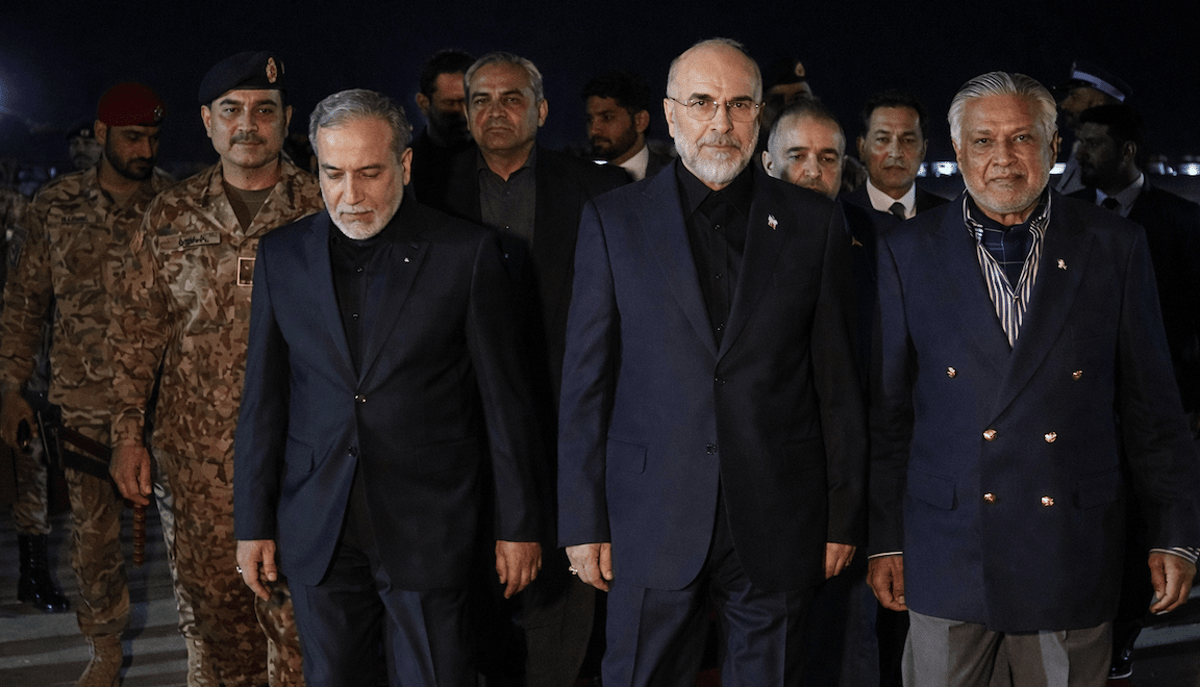
- •Convoy headed by Bagher Ghalibaf, Iran's parliament speaker and IRGC general
- •Meeting signals potential backchannel dialogue amid heightened US‑Iran tensions
- •Pakistan serves as neutral venue for US‑Iran diplomatic overtures
- •Outcome could influence regional security and US election narrative
Pulse Analysis
The meeting in Pakistan arrives at a moment when U.S.-Iran relations are strained by sanctions, proxy conflicts, and stalled nuclear negotiations. JD Vance, a rising Republican figure known for his "America First" rhetoric, used the encounter to demonstrate a willingness to engage directly with Tehran’s leadership. By positioning himself as a potential diplomatic bridge, Vance aims to differentiate his foreign‑policy credentials from traditional party lines, a strategy that could resonate with voters seeking pragmatic solutions to overseas crises.
Bagher Ghalibaf, a former mayor of Tehran and current speaker of Iran’s parliament, also commands a senior rank in the Islamic Revolutionary Guard Corps. His presence signals that the Iranian side is open to unofficial talks, even as official channels remain frozen. Pakistan’s Ministry of Foreign Affairs facilitated the rendezvous, leveraging its historical role as a mediator in South Asian disputes. The choice of Islamabad reflects both logistical convenience and a calculated effort to keep the dialogue away from the intense scrutiny of Western capitals.
If the backchannel yields tangible confidence‑building measures, it could ease the risk of accidental escalation in the Persian Gulf and Afghanistan, regions where both Washington and Tehran have vested interests. Moreover, any progress—real or perceived—might boost Vance’s profile in the 2024 presidential race, portraying him as a statesman capable of navigating complex international terrain. Conversely, failure to produce results could reinforce hard‑line narratives on both sides, underscoring the fragile nature of unofficial diplomacy.
When In Pakistan…
Comments
Want to join the conversation?