When War Crimes Rhetoric Becomes Battlefield Reality: The Slippery Slope to Total War on Iran
Key Takeaways
- •Trump threatens simultaneous attacks on Iran’s power grid
- •International law shields civilian infrastructure unless definite military advantage
- •Rhetoric forces commanders to reconcile orders with lawful targeting
- •Violations could erode US credibility and invite legal repercussions
- •Military must rely on proportionality and no‑strike protocols
Pulse Analysis
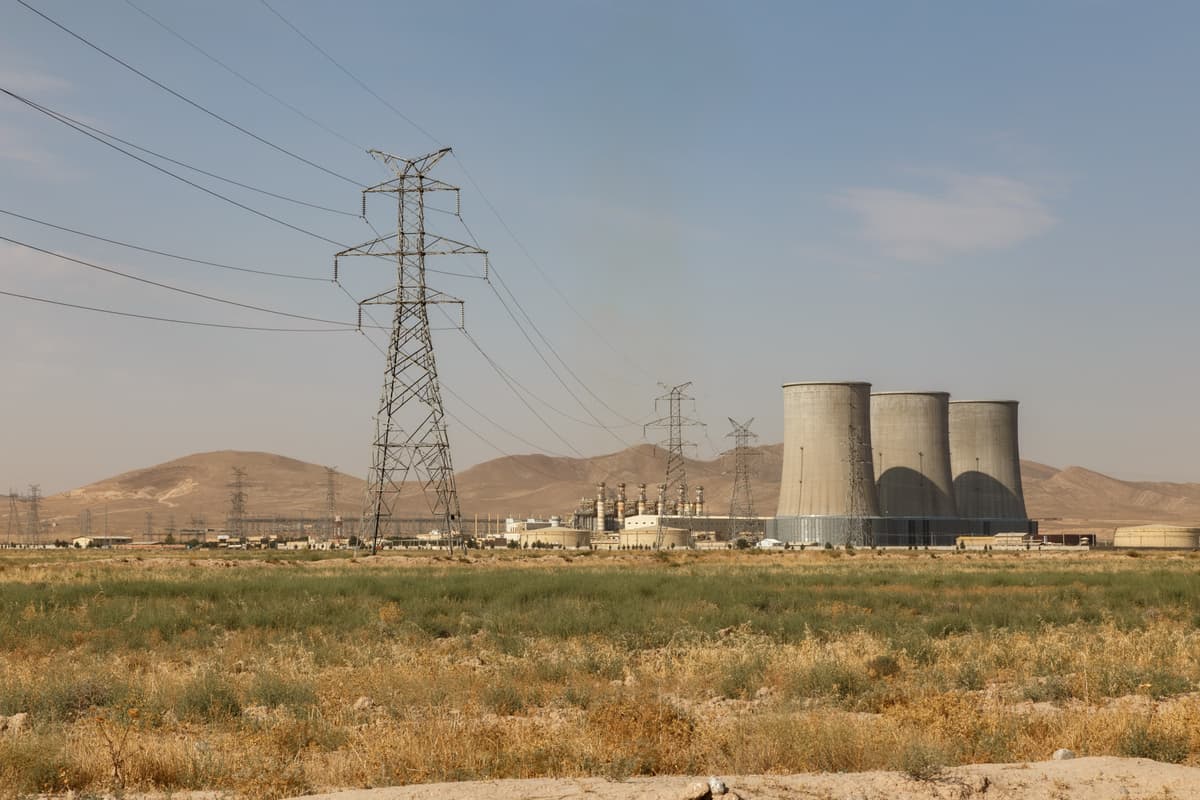
President Trump’s recent statements about obliterating Iran’s power grid have reignited a debate that extends beyond political posturing to the core of the law of armed conflict. International humanitarian law, codified in the Geneva Conventions and reinforced by the U.S. Department of Defense Law of War Manual, treats civilian energy facilities as protected objects unless they are being used for a clear military purpose and their destruction yields a definite advantage. The threshold for converting a power plant into a lawful target is deliberately high, reflecting lessons from World War II and later conflicts where indiscriminate bombing eroded public support and strategic outcomes.
For U.S. service members, the president’s rhetoric creates a precarious legal landscape. Commanders must apply rigorous targeting protocols, including the No‑Strike List and Collateral Damage Estimation methodology, to determine whether any portion of the Iranian grid can be engaged without violating proportionality. The process demands concrete intelligence that the plant is directly supporting hostile forces and that civilian harm will not be excessive. Failure to meet these standards not only breaches international norms but also opens the door to war‑crime investigations, potentially implicating individual soldiers who acted on orders that lacked lawful justification.
Strategically, pursuing a blanket attack on Iran’s civilian energy network would erode U.S. credibility as a champion of the rules‑based international order. Allies and adversaries alike monitor compliance with humanitarian law; a perceived double standard could embolden rivals and weaken diplomatic leverage. Moreover, the domestic fallout—ranging from moral injury among troops to political backlash—underscores why adherence to established targeting doctrines remains essential. Upholding the law of war safeguards both strategic objectives and the ethical foundation of American military power.
When War Crimes Rhetoric Becomes Battlefield Reality: The Slippery Slope to Total War on Iran
Comments
Want to join the conversation?