Where the Lion Can’t Reach: Unconventional Warfare in Major War
Key Takeaways
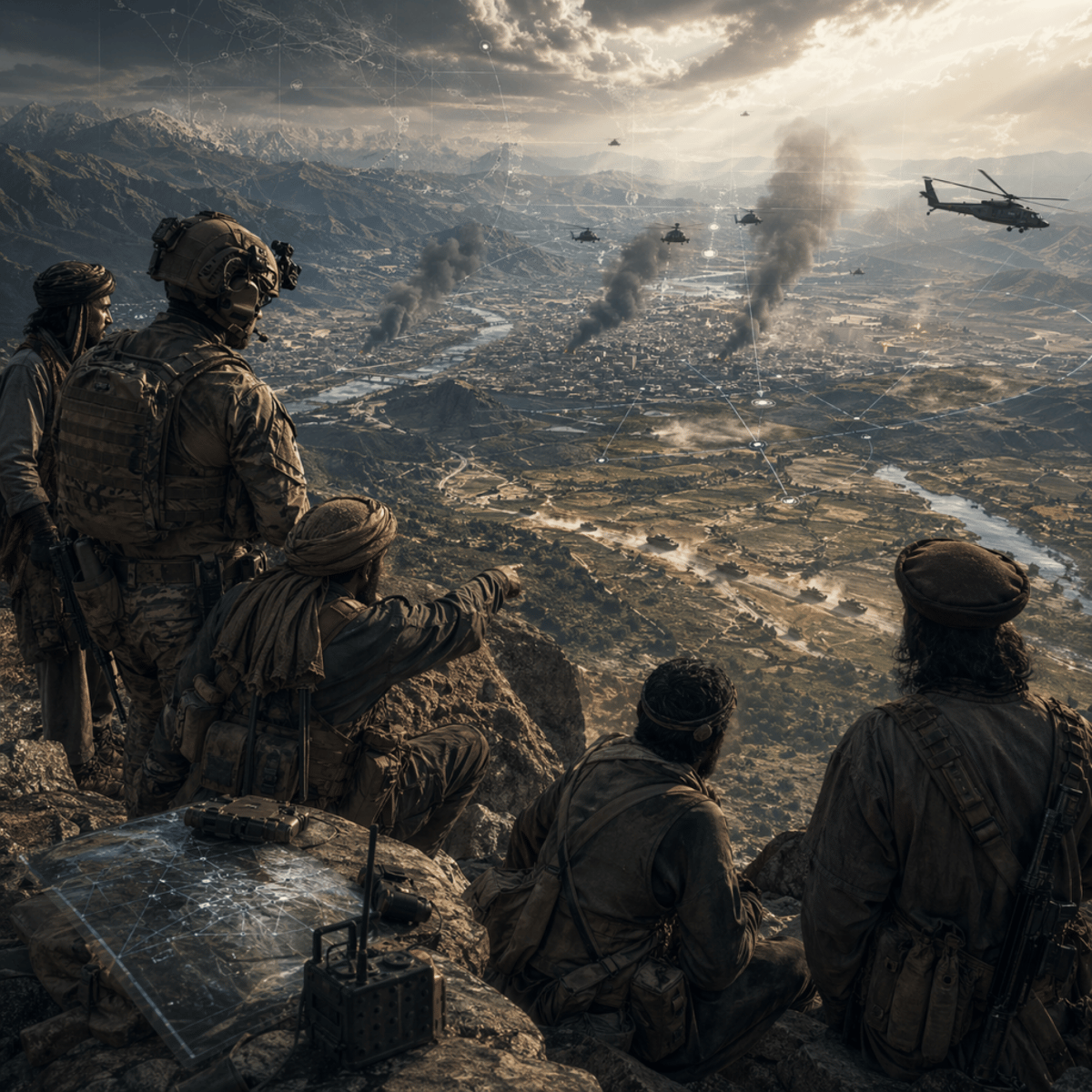
- •Unconventional warfare supports resistance forces to shape conventional battles
- •Joint commanders must embed UW in plans, not rely solely on SOF
- •Success hinges on partner alignment, terrain, politics, and long‑term relationships
- •UW can replace conventional troops when geography or politics block access
- •2003 Iraq: Small SOF team enabled Kurdish Peshmerga to open northern front
Pulse Analysis
Unconventional warfare—often defined as the support of indigenous resistance movements—has evolved from a niche special‑operations tool into a strategic lever for whole‑of‑government campaigns. By providing training, intelligence, and logistical assistance, UW can shape the battlefield, impose costs on an adversary, and create dilemmas that conventional forces alone cannot achieve. For joint commanders, the challenge lies in translating these effects into measurable operational objectives that align with broader campaign goals, while ensuring legal authority and risk management are clearly articulated.
The 2003 invasion of Iraq offers a textbook illustration of UW’s potency. A modest U.S. Special Forces team coordinated with the Kurdish Peshmerga, enabling a rapid northern thrust that forced Iraqi divisions to divert resources away from the main southern advance. This partnership not only accelerated the collapse of Saddam’s regime but also generated critical human‑source intelligence that informed conventional targeting. The episode underscores that the success of such operations depended on pre‑existing relationships, shared strategic interests, and terrain that favored guerrilla tactics—factors that cannot be manufactured overnight.
Looking ahead, policymakers must institutionalize UW as a core component of joint war‑fighting doctrine rather than an ad‑hoc capability. Investing in long‑term partner engagement, cultural competence, and interoperable command structures will reduce the strategic risk of misaligned objectives and enhance rapid scalability when crises emerge. As great‑power competition intensifies and access to contested regions becomes increasingly restricted, the ability to mobilize local forces through UW may prove decisive in achieving strategic objectives without committing large conventional formations.
Where the Lion Can’t Reach: Unconventional Warfare in Major War
Comments
Want to join the conversation?