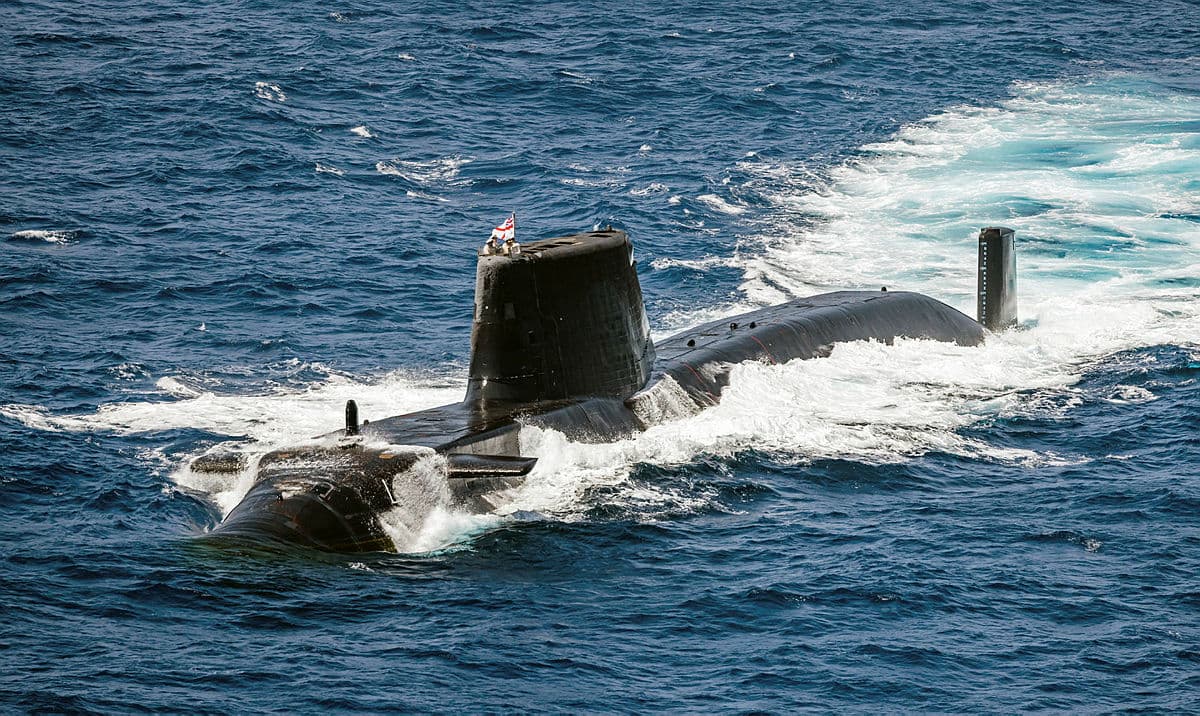
Why Are All of Britain’s Attack Submarines in Port?
Key Takeaways
- •Astute fleet logged only ~300 sea days in 2025
- •HMS Anson returned from Australia, adding to port congestion
- •Limited dock capacity at Devonport forces all five subs into harbour
- •New Submarine Maintenance Recovery Plan adds 90‑sqm container workshop
- •£69,000 (≈$85,000) contract awarded for temporary dockside workspace
Pulse Analysis
The Royal Navy’s five‑boat Astute attack‑submarine fleet has hit a historic low in operational availability, with none at sea as of early 2026. These nuclear‑powered hunters are the backbone of Britain’s under‑sea warfare, providing Tomahawk strike capability, Spearfish torpedoes and vital intelligence for carrier groups and the strategic deterrent. Yet the class managed only about 300 days of deployment in 2025, a figure that underscores a deepening maintenance backlog and highlights the strategic risk of a fleet that cannot surge on short notice.
Root causes trace back to a single bottleneck: Devonport’s limited nuclear‑submarine dock capacity. The sole facility capable of deep refits is stretched thin by the constant demand of the Dreadnought‑class ballistic‑missile boats, while chronic staffing shortages further slow turnaround. The recent AUKUS deployment of HMS Anson to Australia, the first British nuclear submarine serviced abroad, temporarily removed the most operational hull from the home fleet, exacerbating the congestion. In response, the navy unveiled the Submarine Maintenance Recovery Plan, deploying a 90‑square‑metre container‑based workshop and awarding a £69,000 (≈$85,000) contract to Beaverfit for a stop‑gap workspace, aiming to pull critical tasks forward.
Looking ahead, the Ministry of Defence is betting on longer‑term fixes. Programme Euston seeks to procure floating dry docks that would expand out‑of‑water maintenance capacity, while a six‑month interim deal with Babcock keeps Devonport running after the previous five‑year contract expired. The strategic horizon also includes the SSN‑AUKUS programme, promising up to 12 next‑generation attack submarines in partnership with the United States and Australia, and the ongoing construction of the seventh Astute hull. Until these investments materialise, the Royal Navy must accelerate its recovery plan to field at least two or three attack subs simultaneously, preserving the UK’s maritime edge in a region where Russian submarine activity is on the rise.
Why are all of Britain’s attack submarines in port?
Comments
Want to join the conversation?