Why Defense Drones Need Rare Earths to Stay Mission-Ready
Key Takeaways
- •NdFeB magnets power lightweight, high‑torque drone motors.
- •China handles over 85% of rare‑earth processing.
- •Dysprosium and terbium scarcity inflates high‑temperature magnet costs.
- •U.S. DoD funds domestic separation plants to reduce risk.
- •Researchers explore ferrite and switched‑reluctance motors as REE alternatives.
Pulse Analysis
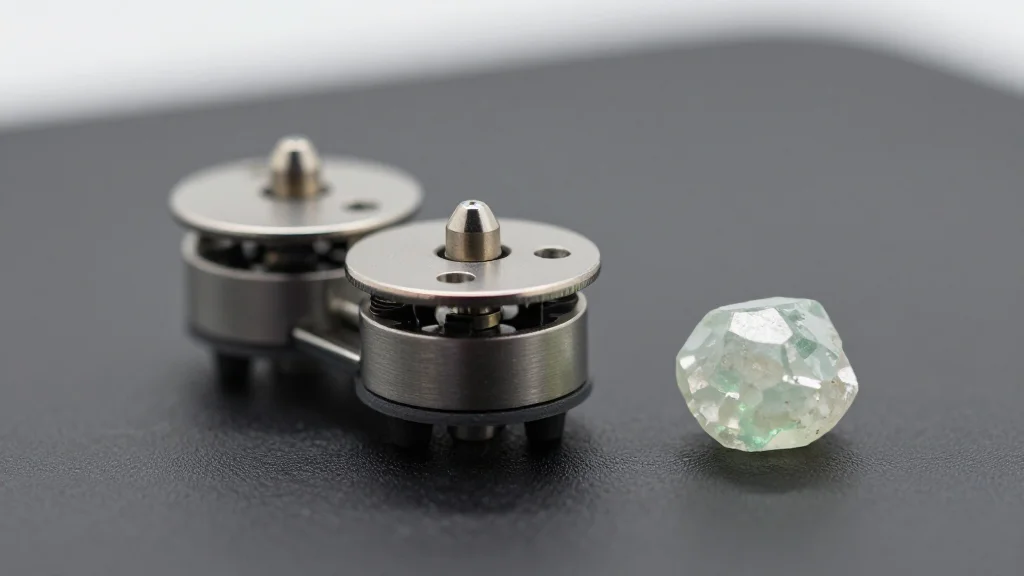
Rare‑earth elements are the hidden workhorses behind today’s defense drones. High‑energy NdFeB magnets, enriched with praseodymium, dysprosium or terbium, shrink motor size while delivering the torque needed for vertical lift and precise actuator control. The same elements appear in phosphors that brighten night‑vision displays and in cerium‑based glass that sharpens aerial imaging. By packing more capability into a lighter airframe, REEs extend flight time, increase payload options, and lower overall system cost, making uncrewed platforms the preferred choice for persistent surveillance and strike missions.
The strategic importance of these materials is amplified by a supply chain that is both geographically and technologically concentrated. In 2023, China produced roughly 70% of mined rare‑earth ore and controlled over 85% of the downstream separation capacity that turns ore into usable oxides. This bottleneck exposes defense programs to price volatility and potential export restrictions, prompting the U.S. Department of Defense to allocate billions of dollars toward domestic separation facilities, magnet‑fabrication lines, and strategic stockpiles. Allied initiatives in Europe and Japan are similarly seeking to diversify processing capabilities, recognizing that material security is now a core component of national security.
Looking ahead, engineers are actively reducing REE dependence. Grain‑boundary diffusion techniques concentrate heavy rare earths like dysprosium only where needed, cutting overall usage. Alternative motor architectures—such as ferrite‑based designs for lower‑power drones and switched‑reluctance systems that eliminate permanent magnets—offer performance trade‑offs but promise supply‑chain resilience. Parallel advances in recycling, especially from end‑of‑life electric‑vehicle motors, could create a secondary source of high‑purity REEs, though economic hurdles remain. Together, these innovations aim to sustain the rapid growth of defense drone capabilities while insulating them from geopolitical shocks.
Why Defense Drones Need Rare Earths to Stay Mission-Ready
Comments
Want to join the conversation?