Why the USSOCOM Should Establish a Western Balkans’ Denial and Resilience Program
•March 4, 2026
0
Key Takeaways
- •Russia exploits Balkan gray zone with disinformation, cyber attacks
- •Current responses are reactive, after crises emerge
- •BDRP proposes SOF-led joint planning and resilience building
- •Deterrence by denial raises costs for Russian subversion
- •Program strengthens Euro‑Atlantic integration and regional stability
Summary
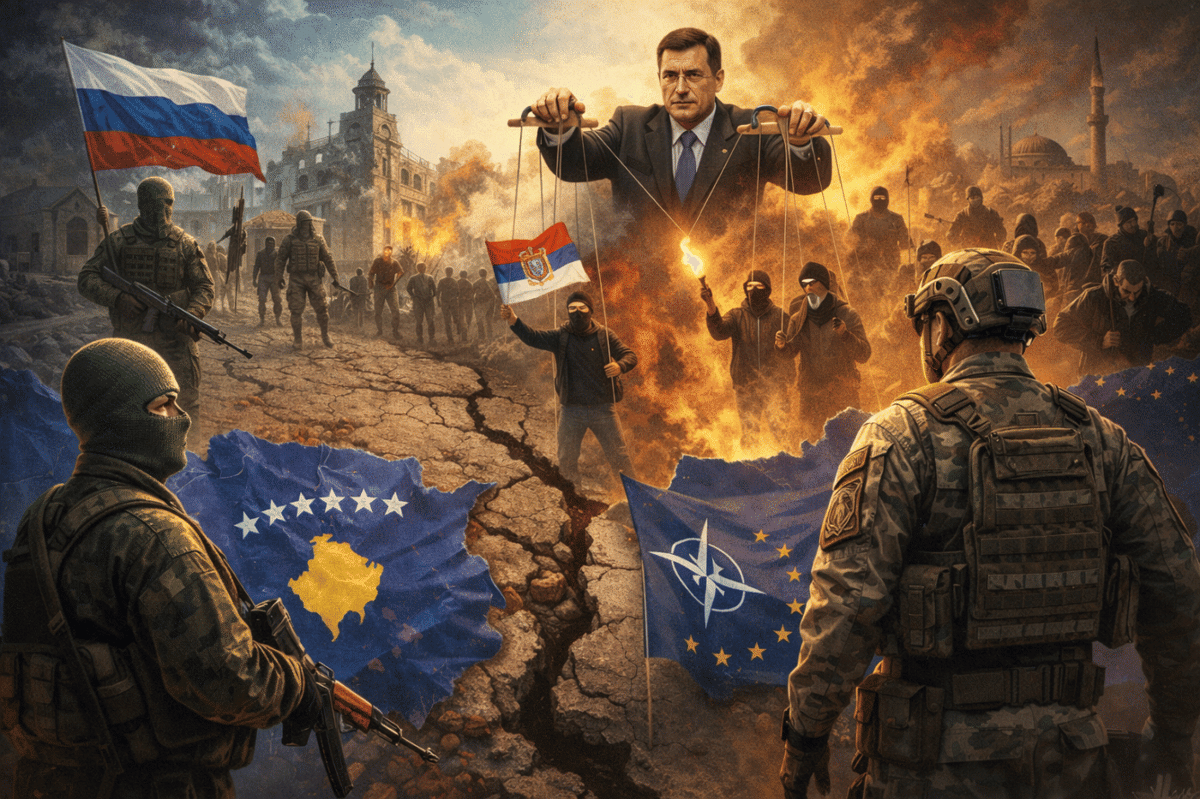
Russia is intensifying gray‑zone campaigns in the Western Balkans, using propaganda, cyber attacks, and support for nationalist proxies to undermine Euro‑Atlantic integration. Existing Western responses remain largely reactive, addressing crises only after they materialize. The article proposes a Balkan Denial and Resilience Program (BDRP) led by USSOCOM to coordinate irregular‑warfare planning, institutional hardening, and information‑environment defense across Albania, Croatia, Kosovo, Montenegro and North Macedonia. By shifting to a deterrence‑by‑denial posture, the program aims to raise the cost of Russian subversion and secure the region’s path toward NATO and EU membership.
Pulse Analysis
The Western Balkans have become a fertile testing ground for Russia’s gray‑zone playbook, blending covert propaganda, cyber intrusions, and support for separatist actors to erode trust in Western institutions. Traditional deterrence tools—sanctions, diplomatic statements, or kinetic posturing—prove insufficient because Moscow cloaks its actions in plausible deniability, leaving local governments scrambling after the fact. This strategic vacuum not only fuels political instability but also threatens the broader security architecture of Europe, where each unresolved crisis can cascade into a larger geopolitical flashpoint.
A Balkan Denial and Resilience Program (BDRP) would operationalize a new doctrine of multilateral dissuasion, placing U.S. Special Operations Command at the core of regional capacity‑building. By establishing a joint planning cell, SOF advisors could synchronize intelligence, conduct irregular‑warfare rehearsals, and mentor local forces on institutional hardening—ranging from anti‑corruption measures to cyber‑shield architectures. Simultaneously, tailored information‑environment training would equip civil‑society actors, media outlets, and security services to detect and counter sophisticated disinformation before it gains traction, effectively turning the information battlefield into a defensive moat.
Integrating BDRP into existing EU and NATO frameworks aligns with the U.S. National Defense Strategy’s emphasis on offshore enablers and partner resilience. A hardened Balkan coalition would deny Russia low‑cost avenues for influence, thereby reducing the likelihood of crises that demand direct transatlantic intervention. Moreover, the program reinforces the trajectory toward full NATO and EU membership for partner states, offering a tangible security guarantee that underpins democratic reforms. In sum, a proactive, SOF‑driven denial strategy transforms the Western Balkans from a soft target into a resilient bulwark against malign external actors.
Comments
Want to join the conversation?