Kraken Robotics Acquires UK Underwater Sensing Firm for $442M
Participants
Why It Matters
The funding boost transforms Nova Scotia’s defence cluster into a catalyst for economic diversification, attracting private investment and creating high‑skill jobs while strengthening Canada’s sovereign security capabilities.
Key Takeaways
- •Canada targets 2% GDP defence spend, 5% by 2035.
- •Nova Scotia’s defence sector contributes $1.87bn annually, 6% of GDP.
- •Dual‑use firms like Spiri Robotics attract government investment for drones.
- •Kraken Robotics’ $447m acquisition expands global maritime sensing capabilities.
- •Spaceport Nova Scotia aims to launch satellites by end‑2027.
Pulse Analysis
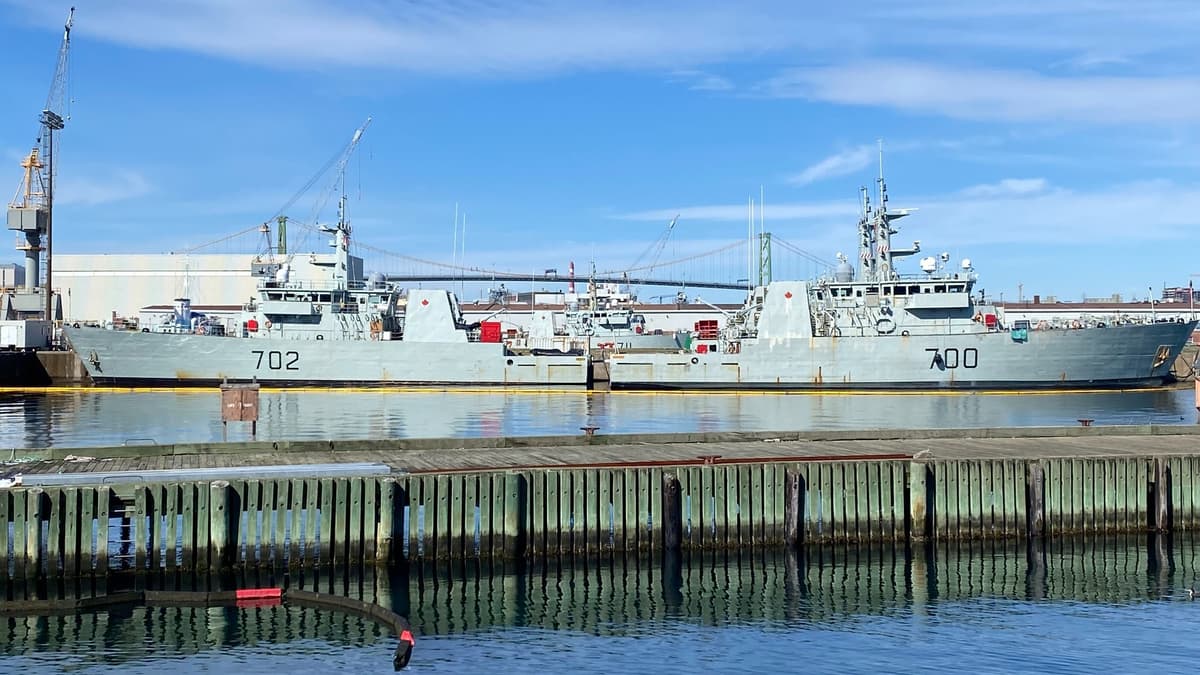
Canada’s renewed defence focus reflects shifting geopolitics, with concerns over U.S. trade volatility and Arctic challenges from Russia and China prompting Ottawa to double down on sovereign capabilities. By committing to a 2 % of GDP defence budget now and a 5 % target by 2035, the government is channeling billions into procurement, shipbuilding and emerging technologies. Nova Scotia, home to the nation’s largest naval‑vessel shipyard and a major air base, stands to benefit disproportionately, as the province already accounts for $1.87 bn of defence‑related output and hosts 13,000 military personnel.
The federal Defence Industrial Strategy emphasizes dual‑use innovation, encouraging companies to commercialise military‑grade tech in civilian markets. Nova Scotia‑based Spiri Robotics exemplifies this trend, leveraging its drone platform for disaster response while courting defence contracts. Engineering consultancy Enginuity has shifted 80 % of its work to dual‑use projects, illustrating how firms can mitigate the high risk of pure defence bids. However, access to capital remains a hurdle; unlike Silicon Valley, local firms rely on government grants and strategic partnerships to scale.
Beyond ships and drones, the province is expanding into maritime sensing and space. Kraken Robotics’ $447 million acquisition of a UK underwater‑sensor firm underscores a push to dominate global ocean‑monitoring markets. Meanwhile, the $145 million lease of a launch pad at Spaceport Nova Scotia positions the region as a gateway for polar‑orbit satellite missions, with full operations slated for late 2027. Integration with NATO’s Defence Innovation Accelerator further accelerates market access, promising a virtuous cycle of investment, job creation and enhanced national security.
Deal Summary
In March 2026, Canadian marine‑sensing company Kraken Robotics announced the acquisition of a UK‑based underwater sensing firm for a reported C$615 million (≈$442 million). The deal expands Kraken’s global maritime capabilities and aligns with Canada’s new defence industrial strategy. The acquisition was disclosed as part of Nova Scotia’s defence sector growth.
Comments
Want to join the conversation?
Loading comments...