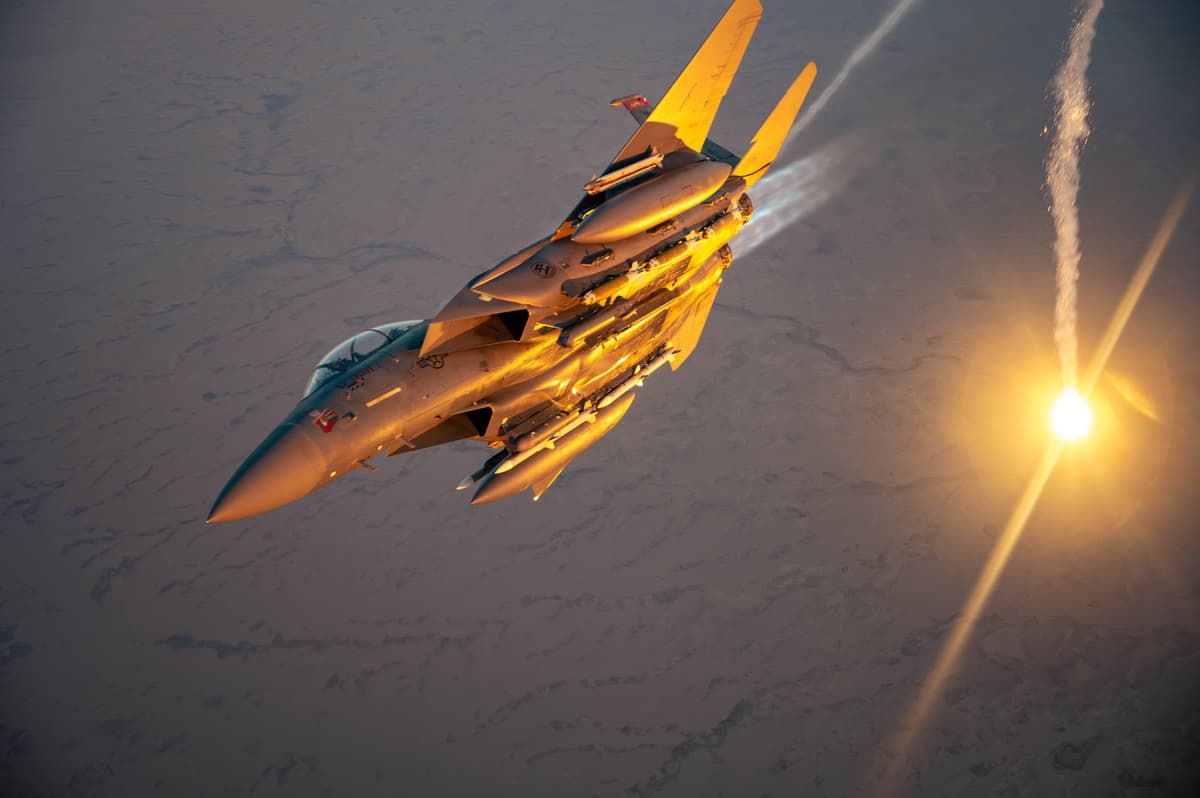
3 F-15s Shot Down by Kuwait in Friendly Fire Incident, Pilots Safe, US Says
•March 2, 2026
0
Why It Matters
The incident underscores the heightened risk of miscoordination in fast‑paced coalition air operations, potentially straining U.S.–Kuwait defense ties. It also raises questions about command‑and‑control safeguards amid escalating regional conflict.
Key Takeaways
- •Three US F‑15Es downed by Kuwaiti air defenses
- •All six crew members ejected and recovered safely
- •Incident occurred during Operation Epic Fury against Iran
- •Investigation launched into friendly‑fire cause
- •Highlights coordination challenges in high‑tempo coalition air campaigns
Pulse Analysis
Friendly‑fire incidents, while rare, become magnified when they involve high‑value assets in a contested theater. The downing of three F‑15Es by Kuwait’s own air defense illustrates how rapid operational tempo, overlapping radar footprints, and split‑second decision‑making can create lethal identification errors. In coalition environments, each partner’s rules of engagement and identification protocols must be tightly synchronized, yet the pressure of simultaneous strikes against Iran’s command‑and‑control nodes can erode that alignment. This event serves as a stark reminder that even trusted allies can inadvertently become adversaries when situational awareness falters.
The U.S. and Kuwait have long maintained a close security partnership, with joint exercises and integrated air‑defense networks forming the backbone of Gulf stability. The incident tests that relationship, prompting diplomatic overtures and a joint investigation to preserve confidence. For the United States, ensuring that partner forces can reliably distinguish friendly aircraft is essential to sustaining forward‑deployed air power without incurring additional political costs. Adjustments may include enhanced data‑link sharing, real‑time deconfliction channels, and revised engagement criteria to prevent future mishaps.
Beyond the immediate operational fallout, the shoot‑down occurs amid Operation Epic Fury, a broad campaign targeting Iran’s missile, drone, and air‑defense capabilities. The broader strategic narrative hinges on demonstrating coalition resolve while minimizing collateral damage and friendly casualties. As Iran escalates retaliatory strikes, any perceived weakness—such as a friendly‑fire loss—could embolden adversaries and complicate diplomatic messaging. Strengthening command‑and‑control architecture, investing in interoperable identification technologies, and conducting rigorous joint training will be critical to maintaining momentum in the campaign and preserving the credibility of the U.S.–Kuwait alliance.
3 F-15s shot down by Kuwait in friendly fire incident, pilots safe, US says
0
Comments
Want to join the conversation?
Loading comments...