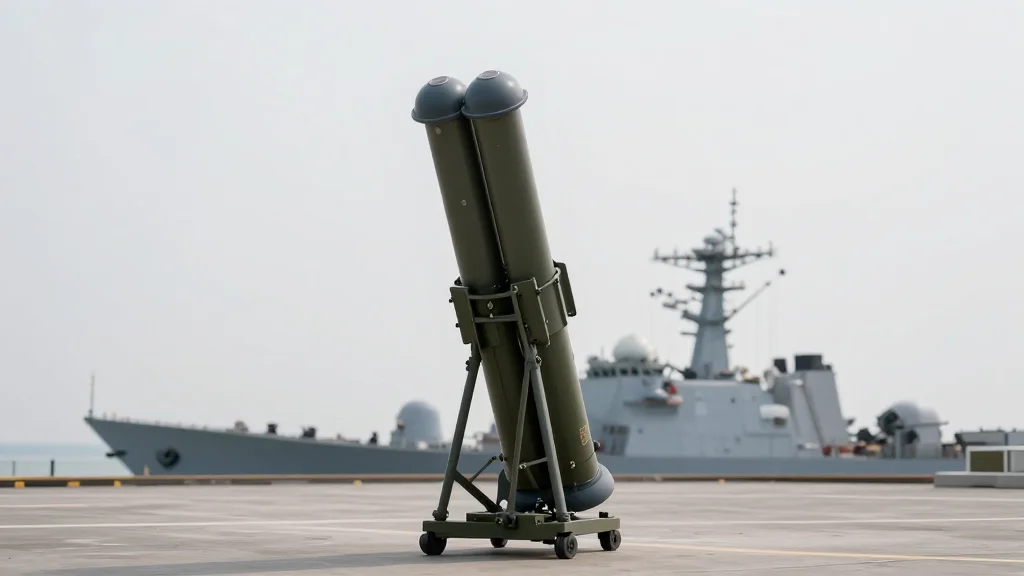
5 Ways the Iran War Shows NATO Is Not Ready to Fight Russia
Companies Mentioned
Why It Matters
If NATO cannot resolve these shortfalls, its ability to deter or repel a Russian offensive will be severely compromised, risking a fragmented response to future high‑intensity conflicts.
Key Takeaways
- •NATO ammo stocks depleted; U.S. used half of Patriot missiles
- •European air‑defence missiles Aster and Mica nearing exhaustion
- •Naval readiness lagging; UK destroyer delayed by technical issues
- •Alliance cohesion eroding amid U.S. political uncertainty
- •Ukraine’s drone expertise becoming a critical NATO asset
Pulse Analysis
The Iran‑Israel conflict has acted as a stress test for NATO, exposing supply‑chain fragilities that could cripple the alliance in a confrontation with Russia. U.S. ammunition consumption has surged, with roughly 50% of its Patriot inventory expended, while European partners report Aster and Mica stocks dwindling after just two weeks of combat. Defense firms such as Rheinmetall and MBDA—who recently spent about €1 billion (≈$1.08 billion) restocking—warn of looming shortages, prompting calls for affordable alternatives like the laser‑guided AGR‑20 and hardened aircraft shelters. This ammunition crunch is set to dominate the agenda at the upcoming NATO summit, where leaders must balance resupply with longer‑term procurement reforms.
Air superiority and deep‑strike capabilities have also come under scrutiny. Iran’s ability to launch more than 5,000 missiles and drones despite a massive U.S. air campaign highlights the limits of conventional bombing. NATO analysts argue that investing in long‑range precision weapons, such as the AGM‑88G with a 300‑km reach, could offset Russian drone production and provide a credible deterrent. Simultaneously, the alliance is reassessing naval readiness; the UK’s HMS Dragon took three weeks to deploy and then returned for repairs, underscoring broader fleet availability issues across member states. Enhancing shared maintenance hubs and flexible vessel designs, like the Netherlands’ multifunctional support ship, could shore up maritime defenses against Russian submarine threats in the Arctic.
Political cohesion remains the most volatile factor. Divergent U.S. signals—exemplified by former President Trump’s “paper tiger” rhetoric—have widened fissures within NATO, raising doubts about collective commitment in a Russian crisis. Conversely, Ukraine’s rapid deployment of drone‑intercept expertise and its expanding UNITE‑Brave programme illustrate how the alliance can leverage emerging partners to fill capability gaps. By institutionalising a “belt” of anti‑drone assets near Russia’s borders and deepening industrial ties with Kyiv, NATO can both strengthen its deterrence posture and demonstrate a unified front, essential for maintaining credibility against Moscow’s ambitions.
5 ways the Iran war shows NATO is not ready to fight Russia
Comments
Want to join the conversation?
Loading comments...