6 U.S. Airmen Killed in KC-135 Crash: USAF Chief Mourns Zeus 95 Crew on Memorial Day, Says “We’ll Never Forget”
Companies Mentioned
Why It Matters
The incident underscores the strain on the USAF’s limited refueling capability, accelerating concerns over fleet readiness and the delayed KC‑46 replacement. It also signals heightened risk to U.S. air operations in a volatile Middle‑East theater.
Key Takeaways
- •Six Airmen killed when KC-135 Zeus 95 crashed in western Iraq.
- •Collision involved two KC-135s; one landed safely in Israel, other lost.
- •Iran‑backed militias claim attack, but CENTCOM cites non‑hostile cause.
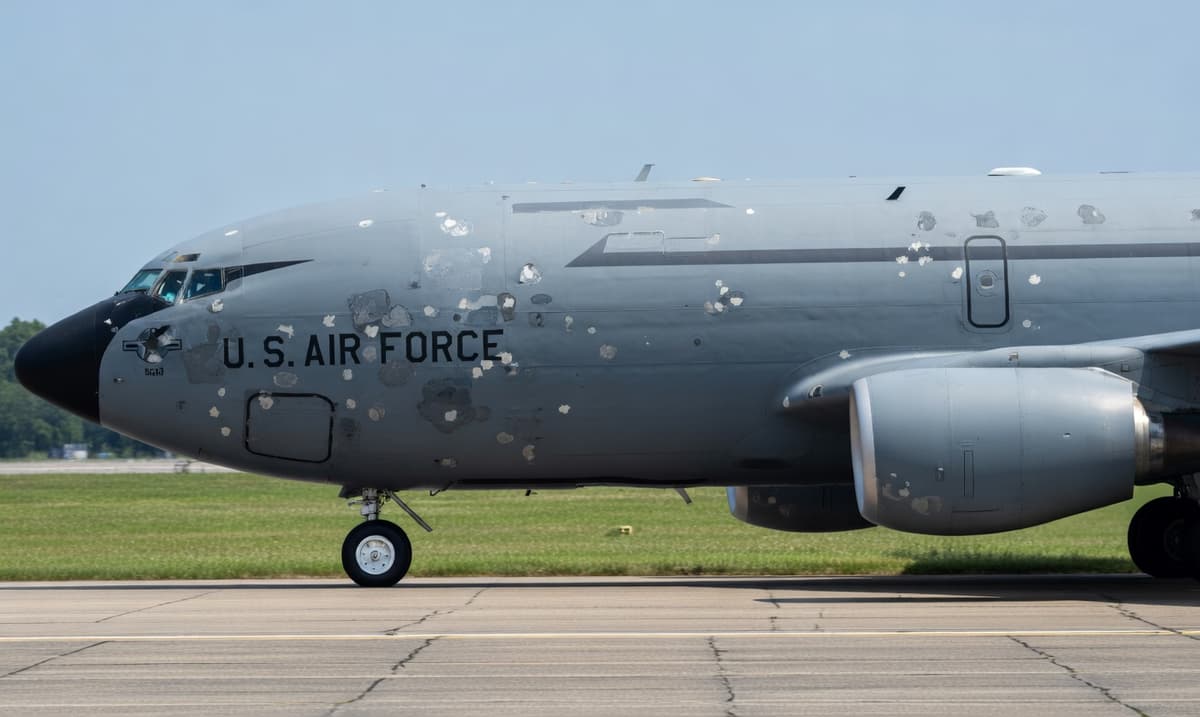
- •Five additional KC-135s damaged by Iranian missile and drone strikes.
- •Attrition stresses aging tanker fleet and slows KC‑46 replacement.
Pulse Analysis
The March 12 mid‑air collision that downed KC-135 Zeus 95 came at a critical juncture of the 40‑day Iran‑U.S. conflict, known as Operation Epic Fury. While one tanker managed an emergency landing at Ben Gurion Airport, the other vanished over Iraq’s Anbar province, taking six crew members—three from the 6th Air Refueling Wing and three from the Ohio Air National Guard. The loss resonated on Memorial Day, prompting USAF Chief of Staff Gen. Kenneth Wilsbach to publicly honor the fallen, reinforcing the human cost of high‑tempo aerial refueling missions in contested airspace.
Beyond the tragic crash, the incident exposed systemic vulnerabilities in the Air Force’s tanker fleet. Within weeks, at least five more KC-135s suffered missile or drone damage at Prince Sultan Air Base, revealing the peril of forward‑basing large, unarmored aircraft in a region where Iranian precision weapons are proliferating. The aging KC-135 fleet, sustained largely by cannibalized parts, already faces a shortfall against the mandated 502‑aircraft requirement by 2028. Meanwhile, the newer KC‑46 Pegasus remains behind schedule and plagued by technical glitches, limiting its ability to fill the gap left by attrition.
Strategically, the episode may reshape U.S. force‑projection doctrine in the Middle East. With the KC-135’s role as a force multiplier under pressure, the Air Force is accelerating the reactivation of mothballed tankers from Davis‑Monthan and expediting procurement plans. Policymakers are also reassessing basing strategies to mitigate exposure to hostile fire, potentially shifting assets to more hardened locations or increasing reliance on allied refueling platforms. The confluence of operational loss, fleet aging, and geopolitical tension underscores the urgency of modernizing aerial refueling capabilities to sustain future air power commitments.
6 U.S. Airmen Killed in KC-135 Crash: USAF Chief Mourns Zeus 95 Crew on Memorial Day, Says “We’ll Never Forget”
Comments
Want to join the conversation?
Loading comments...