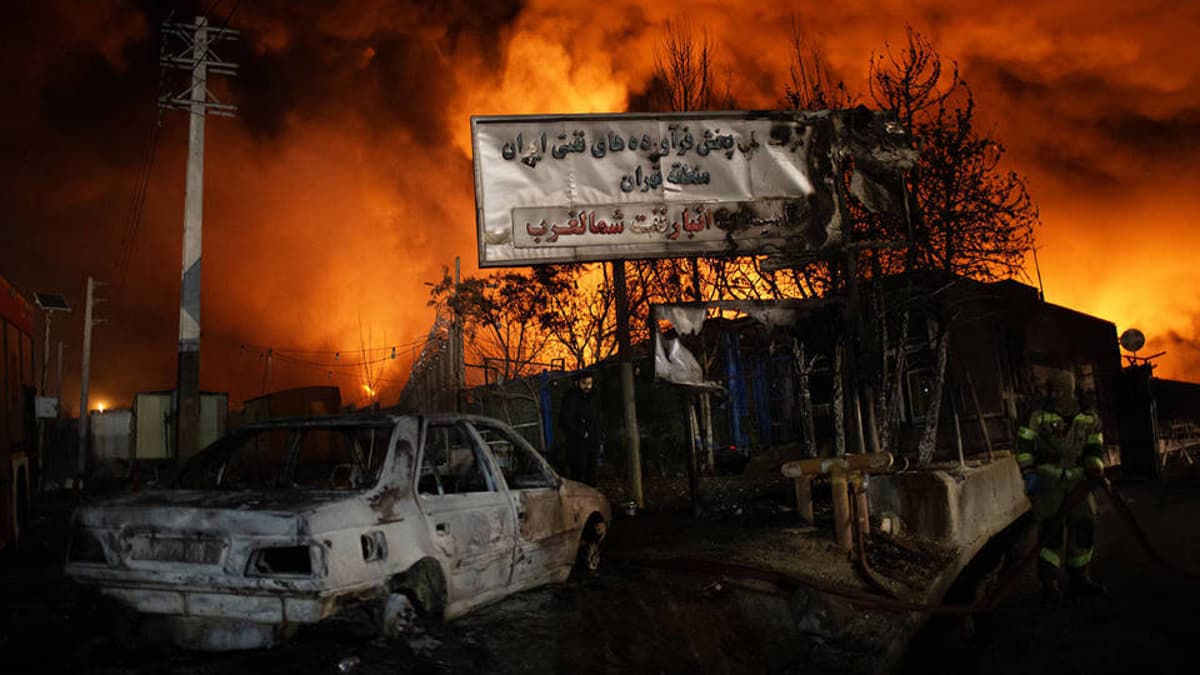
A Deal With Iran Requires an Iran that Can Make One
•March 9, 2026
0
Why It Matters
Iran’s instability could reshape regional power balances, oil supplies, and the viability of a renewed nuclear agreement, directly affecting U.S. strategic interests.
Key Takeaways
- •Trump's model: decapitate, delegate, then negotiate.
- •Iran's fragmentation risk heightened by Israeli and Kurdish agendas.
- •Success hinges on Iran producing a cooperative successor.
- •Potential outcomes: oil access, nuclear deal, regional stability.
- •Venezuela precedent may not translate to Iran.
Pulse Analysis
The "decapitate and delegate" doctrine emerged from the Trump administration’s aggressive stance on regime change, first tested in Venezuela. By toppling Nicolás Maduro through a combination of economic pressure and covert support for opposition forces, Washington aimed to replace an intransigent leader with a more amenable figure, thereby unlocking oil revenues and geopolitical leverage. The approach hinges on a calculated balance: sufficient destabilization to force change, yet enough cohesion to allow a successor to negotiate on Washington’s terms.
Applying this template to Iran encounters a far more intricate landscape. Tehran’s political fabric is interwoven with powerful regional actors—most notably Israel, which pursues its own containment agenda, and Kurdish militias that have leveraged U.S. support in neighboring conflicts. These stakeholders are unlikely to cooperate in a unified transition, raising the specter of fragmented authority and proxy competition. Moreover, any successor must possess the credibility to engage in nuclear talks while navigating domestic hardliners, a feat that demands a delicate blend of legitimacy and compliance.
The stakes for Washington are high. A successful handover could grant American firms renewed access to Iranian oil, ease sanctions, and secure a verifiable nuclear accord, reshaping energy markets and regional security calculations. Conversely, missteps risk deepening instability, empowering extremist factions, and eroding U.S. influence across the Middle East. Policymakers must therefore weigh the allure of a swift diplomatic win against the potential for a protracted, destabilizing fallout that could reverberate through global finance and geopolitics.
A Deal With Iran Requires an Iran that Can Make One
0
Comments
Want to join the conversation?
Loading comments...