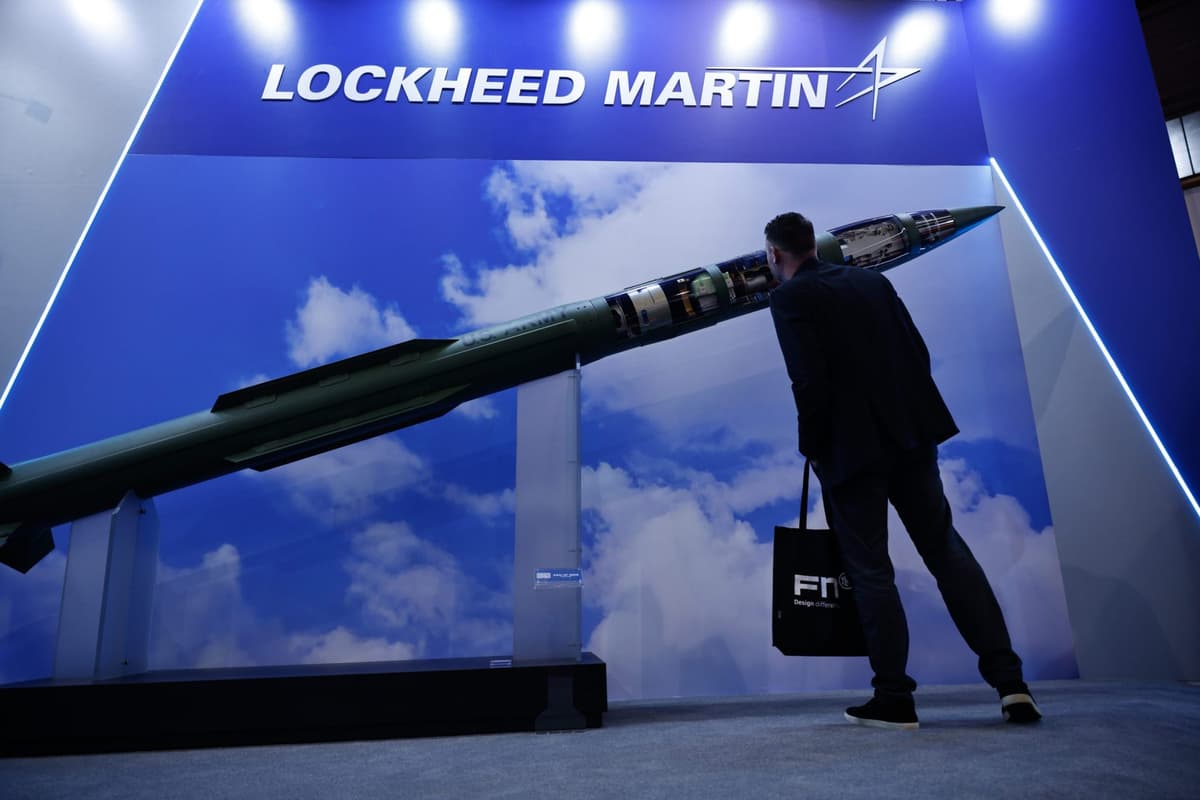
‘A Golden Opportunity Right Now Based on Who’s in Government.’ Trump’s Bellicose Presidency Means Defense Firms Are Raking It In

Why It Matters
The surge in defense spending translates into billions of dollars of revenue for U.S. contractors while reshaping budget priorities away from domestic programs, signaling a long‑term growth trajectory for the sector.
Key Takeaways
- •Pentagon budget hit $901 bn in 2026, a record level.
- •Defense firms secured $771 bn in contracts from 2020‑2024 spending.
- •Lockheed Martin expects $194 bn in new orders, a record high.
- •European defense spend projected to reach €800 bn ($937 bn) by 2030.
- •Pentagon may request extra $200 bn, pushing total war costs higher.
Pulse Analysis
The Trump administration’s aggressive defense posture has turned the Pentagon into a cash‑generating engine for the nation’s largest aerospace and weapons manufacturers. A $901 billion appropriation for 2026—already the highest in modern history—combined with a $1.5 trillion budget request for 2027 reflects a 40% increase over prior levels. This spending surge is driven not only by the ongoing Iran conflict, which has exhausted half of the U.S. stockpile of high‑cost missiles, but also by commitments to allies such as Ukraine. The resulting fiscal environment creates a "golden opportunity" for firms that can quickly replenish depleted inventories and deliver next‑generation platforms.
Backlogs at the sector’s top five contractors—Lockheed Martin, RTX, Boeing, General Dynamics and Northrop Grumman—have ballooned to unprecedented levels. Lockheed Martin alone anticipates $194 billion in new orders, while RTX reports a $107 billion defense‑specific backlog. These figures suggest that demand will outpace supply, prompting firms to accelerate production lines and seek additional contracts. At the same time, Europe’s defense spending is projected to hit €800 billion (about $937 billion) by 2030, offering a lucrative export market. However, new EU procurement rules and the rise of indigenous European defense firms could limit U.S. market share abroad, forcing American companies to double down on domestic opportunities.
The broader economic implications are stark. Funding for the Pentagon now competes directly with domestic programs, raising concerns that Medicare, Medicaid and other social services could face cuts. Yet the defense sector’s windfall also supports high‑skill jobs, advanced R&D, and a supply chain that underpins much of America’s industrial base. As the Pentagon potentially seeks an extra $200 billion to restock munitions, the industry is positioned for sustained growth, while policymakers must balance national security imperatives against fiscal responsibility and the needs of the broader economy.
‘A golden opportunity right now based on who’s in government.’ Trump’s bellicose presidency means defense firms are raking it in
Comments
Want to join the conversation?
Loading comments...