A Hectic Day for U.S. Negotiators
•February 17, 2026
0
Why It Matters
The outcomes shape global non‑proliferation dynamics and influence the trajectory of the Russia‑Ukraine conflict, affecting regional stability and U.S. strategic posture.
Key Takeaways
- •US secured guiding principles with Iran on nuclear constraints
- •Trump threatens attack if Iran rejects broader deal
- •Iran demands sanctions relief before enrichment concessions
- •Trilateral talks stalled over Russia's territorial demands
- •Strait of Hormuz closure signals heightened regional tension
Pulse Analysis
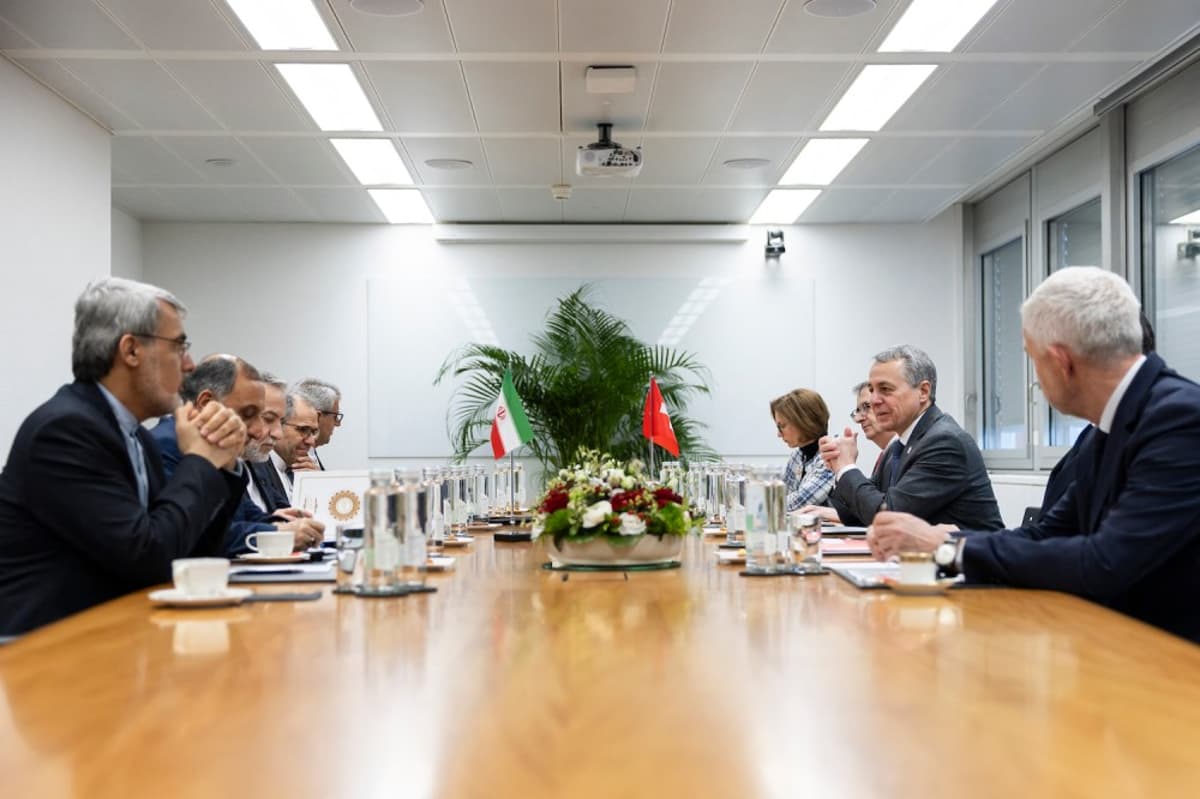
The Geneva round marks a pivotal moment in U.S.-Iran diplomacy, where Washington is pushing beyond the traditional nuclear focus to embed missile limits and militia funding restrictions into any prospective accord. By coupling these demands with a visible military buildup—most notably the deployment of a second aircraft carrier—the U.S. is signaling a willingness to leverage hard power to extract concessions. Analysts view the "general understanding" as a tentative framework rather than a binding commitment, leaving room for Tehran to test the limits of U.S. resolve while still seeking sanctions relief.
Simultaneously, the trilateral talks with Russia and Ukraine underscore the complex interplay between nuclear negotiations and broader security crises. President Trump’s insistence that Kyiv accelerate negotiations reflects a broader U.S. strategy to pressure both Moscow and Kyiv into a rapid settlement, even as Russia continues high‑intensity missile and drone strikes on Ukrainian energy grids. The lack of progress in Geneva mirrors the stalemate in Kyiv, where Russian demands for extensive territorial concessions clash with Ukrainian resolve, raising doubts about the feasibility of a near‑term peace agreement.
The convergence of these diplomatic tracks amplifies regional volatility. Iran’s temporary closure of the Strait of Hormuz, a critical oil conduit, signals Tehran’s readiness to use strategic chokepoints as bargaining chips. Combined with the heightened U.S. naval presence, the situation could trigger market reactions and prompt allied nations to reassess security commitments. Ultimately, the dual crises test the United States’ capacity to juggle hard‑line pressure with diplomatic flexibility, a balance that will shape the geopolitical landscape throughout 2026.
A Hectic Day for U.S. Negotiators
0
Comments
Want to join the conversation?
Loading comments...